Náhled v interiéru Náhled v AR Koupit ručně malovaný obraz Přepnout na digitální obraz Sdílet
Podrobnosti o díle Průvodce Přidat do oblíbených Stáhnout Podobné položky Rentgenové snímky Slideshow Statistiky

Victory

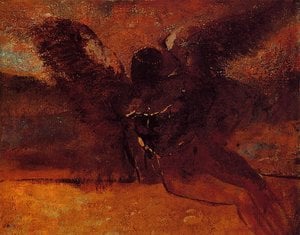
Experience the breathtaking realism of William Trost Richards’ ‘Victory’! A captivating oil painting depicting a knight on horseback, showcasing intricate detail and vibrant colors – a timeless masterpiece.

William Trost Richards (1833-1905): Americký krajinářský malíř známý svou detailní fotografickou přesností v malebách z White Mountains a pobřeží. Klíčová postava mezi realismem Hudson River School a pre-rafaelovskou přesností – fascinující pozorovatel přírody, jehož díla jsou uchována ve významných amerických muzeích.

Giclée / Umělecký tisk

Giclée nebo plátěný tisk muzeální kvality s rychlou výrobou a širokou nabídkou povrchových úprav. ( Koupit ručně malovaný obraz Přepnout na digitální obraz)

Corner sample of the P118B picture frame: tvarovaný polystyren, 5 cm wide and 3 cm thick
P118B Kč10
Corner sample of the P118H picture frame: tvarovaný polystyren, 5 cm wide and 3 cm thick
P118H Kč10
Corner sample of the P118W picture frame: tvarovaný polystyren, 5 cm wide and 3 cm thick
P118W Kč10
Corner sample of the P438Z picture frame: tvarovaný polystyren, 5.5 cm wide and 3.5 cm thick
P438Z Kč10
Corner sample of the P508JH picture frame: tvarovaný polystyren, 7 cm wide and 3.5 cm thick
P508JH Kč12
Corner sample of the P508YH picture frame: tvarovaný polystyren, 7 cm wide and 3.5 cm thick
P508YH Kč12
Corner sample of the P805H picture frame: tvarovaný polystyren, 5 cm wide and 3.5 cm thick
P805H Kč10
Corner sample of the P805Z picture frame: tvarovaný polystyren, 5 cm wide and 3.5 cm thick
P805Z Kč10
Corner sample of the P919BZ picture frame: tvarovaný polystyren, 7 cm wide and 3.5 cm thick
P919BZ Kč10
Corner sample of the P919G picture frame: tvarovaný polystyren, 7 cm wide and 3.5 cm thick
P919G Kč10
Corner sample of the P919XJ picture frame: tvarovaný polystyren, 7 cm wide and 3.5 cm thick
P919XJ Kč10
Corner sample of the P959ZH picture frame: tvarovaný polystyren, 5 cm wide and 3 cm thick
P959ZH Kč10
Corner sample of the P968JZ picture frame: tvarovaný polystyren, 6 cm wide and 4 cm thick
P968JZ Kč12
Corner sample of the W106C picture frame: masivní dřevo, 5 cm wide and 3 cm thick
W106C Kč8
Corner sample of the W218G picture frame: masivní dřevo, 5 cm wide and 3 cm thick
W218G Kč10
Corner sample of the W218JH picture frame: masivní dřevo, 5 cm wide and 3 cm thick
W218JH Kč8
Corner sample of the W218Y picture frame: masivní dřevo, 5 cm wide and 3 cm thick
W218Y Kč10
Corner sample of the W307PJ picture frame: masivní dřevo, 6 cm wide and 3 cm thick
W307PJ Kč10
Corner sample of the W316G picture frame: masivní dřevo, 6 cm wide and 3 cm thick
W316G Kč10
Corner sample of the W316PJ picture frame: masivní dřevo, 6 cm wide and 3 cm thick
W316PJ Kč8
Corner sample of the W316Y picture frame: masivní dřevo, 6 cm wide and 3 cm thick
W316Y Kč10
Corner sample of the W398PJ picture frame: masivní dřevo, 5 cm wide and 3 cm thick
W398PJ Kč8
Corner sample of the W4111J picture frame: masivní dřevo, 6.5 cm wide and 3.5 cm thick
W4111J Kč10
Corner sample of the W500HY picture frame: masivní dřevo, 7 cm wide and 5 cm thick
W500HY Kč15
Corner sample of the W500JH picture frame: masivní dřevo, 7 cm wide and 5 cm thick
W500JH Kč15
Corner sample of the W692G picture frame: masivní dřevo, 8 cm wide and 4 cm thick
W692G Kč12
Corner sample of the W849H picture frame: masivní dřevo, 5 cm wide and 3 cm thick
W849H Kč8
Corner sample of the W940BG picture frame: masivní dřevo, 7.5 cm wide and 4.5 cm thick
W940BG Kč15
Corner sample of the W953PJ picture frame: masivní dřevo, 6 cm wide and 3.5 cm thick
W953PJ Kč8

Standardní velikost
na zakázku
CM
INCH

Vyberte si z našich přednastavených velikostí, které odpovídají původním proporcím díla.

šířka
výška

Zadejte šířku a výšku, které potřebujete pro váš rám nebo stěnu. Tisk lze pouze oříznout, nikdy však nelze zvětšit obraz nad jeho původní rozměr, proto při výběru jiného formátu dochází ke ztrátě části obrazu. Před samotným tiskem vám zašleme digitální náhled k schválení. Obraz zobrazený na této stránce nenabízí skutečný výřez — ten uvidíte pouze v náhledu.

Celosvětové doručení () do 2 týdnů namísto standardních 4/5 týdnů. (26 říjen)

Zdarma celosvětová expresní doprava
Vysoce kvalitní lněné plátno
Kompletní pojištění přepravy
Záruka vrácení celního poplatku
Záruka věrného barevného souladu
100dení lhůta pro vrácení zboží (pouze při vadách výroby)
100% záruka vrácení peněz
Sleva při více objednávkách

Celková cena

Kč 1454

Victory

Giclée / Umělecký tisk

Rozměry reprodukce

-

Celková cena za vybrané možnosti reprodukcí

Kč 1454

Rychlé informace

  • Year: 1870
  • Subject or theme: Triumphant moment
  • Location: Detroit Institute of Arts
  • Movement: Hudson River School
  • Medium: Oil on canvas

Artový kvíz

U každé otázky je pouze jedna správná odpověď.

Otázka 1:
What is the primary subject depicted in William Trost Richards’ ‘Victory’?
Otázka 2:
The warm orange hue in ‘Victory’ primarily contributes to which aspect of the painting?
Otázka 3:
Which artistic movement is ‘Victory’ most closely associated with?
Otázka 4:
What detail in the painting suggests a focus on realism and observation?

Victory: A Knight’s Triumph – An Exploration of Richards' Masterpiece

William Trost Richards’ “Victory,” painted in 1870 and currently residing within the esteemed Detroit Institute of Arts, is more than just a landscape; it’s a meticulously crafted tableau of chivalry, movement, and an almost palpable sense of triumph. This oil on canvas transcends mere representation, offering a glimpse into the artist's profound understanding of light, composition, and the evocative power of Romanticism blended with a remarkable realism. The painting immediately draws the viewer in with its warm, inviting palette dominated by a fiery orange sky – a dramatic backdrop that suggests both impending action and the glorious aftermath of a hard-won victory. Richards wasn't interested in simply depicting a scene; he sought to capture an *experience*, imbuing his work with a spirit of dynamism and emotional resonance.

At the heart of “Victory” stands a knight, mounted on a magnificent steed that seems poised for immediate flight. The detail invested in the armor is astonishing – each scale, rivet, and decorative element rendered with painstaking precision. The artist’s skill isn't merely technical; it’s evident in the way the light catches the metal, creating an interplay of highlights and shadows that lends a breathtaking sense of texture and volume. Notice how Richards subtly suggests movement through the horse’s musculature and flowing mane – a testament to his ability to convey kinetic energy on canvas. The two birds soaring above, seemingly unconcerned with the drama unfolding below, add a touch of unexpected realism and perhaps even a hint of symbolic commentary.

A Synthesis of Realism and Romanticism

William Trost Richards distinguished himself within the American art scene by rejecting the overly dramatic and idealized styles prevalent in the Hudson River School. Instead, he embraced a rigorous approach to observation, meticulously documenting nature as he perceived it. This commitment to realism is evident in the accurate depiction of the horse’s anatomy, the detailed rendering of the landscape elements, and the subtle nuances of light and shadow. However, Richards wasn't simply a literal recorder; he infused his work with Romantic sensibilities – a sense of grandeur, emotion, and spiritual significance. The knight’s posture, the dramatic sky, and the overall composition all contribute to an atmosphere of heroic intensity.

The choice of orange as the dominant color is particularly noteworthy. It's not merely a decorative element; it evokes feelings of warmth, energy, and passion – aligning perfectly with the theme of victory. The intricate designs on the knight’s armor also hold symbolic weight. These patterns likely represent heraldry, signifying lineage, honor, and allegiance. They are a visual shorthand for the values associated with chivalry and nobility, reinforcing the painting's central narrative.

Historical Context and Artistic Significance

“Victory” was created during a period of significant social and political change in America. The late 19th century witnessed rapid industrialization, urbanization, and westward expansion – events that profoundly impacted American art. Richards’ work reflects this evolving landscape, capturing the spirit of an era defined by both progress and uncertainty. He stands as a bridge between the more traditional Hudson River School and the emerging Pre-Raphaelite movement, incorporating elements of both while forging his own distinctive style.

Richards' meticulous approach to detail, combined with his ability to capture the essence of light and atmosphere, established him as one of the most respected landscape painters of his time. “Victory” is a prime example of his artistic prowess – a testament to his dedication, skill, and profound understanding of the natural world. It’s a painting that invites contemplation, sparking questions about heroism, honor, and the enduring power of human spirit.

Experience "Victory" Through a Hand-Painted Reproduction

WahooArt offers exquisite, hand-painted reproductions of William Trost Richards' “Victory,” meticulously crafted to capture every nuance and detail of the original masterpiece. Unlike digital prints, our reproductions are created by skilled artists using traditional oil painting techniques, ensuring unparalleled quality and authenticity. Each reproduction is a unique work of art, imbued with the same emotional depth and visual impact as the original.

Whether you’re an art collector, interior designer, or simply someone seeking to bring beauty into your home, a WahooArt “Victory” reproduction is a stunning addition to any collection. Explore our selection of sizes and framing options at /en/art/show/art-8ye78j-en/ and discover the timeless allure of this iconic American painting.

Otázky a odpovědi

Co zachycuje dílo „Victory“ od William Trost Richards?

„Victory“ od William Trost Richards zobrazuje: knight, horseback, armor, landscape, orange sky, detail, movement.

Kde mohu najít statistiky k dílu „Victory“ od William Trost Richards?

Pro dílo „Victory“ je k dispozici stránka Statistiky. Zobrazuje měsíční počet návštěv tohoto díla i dalších děl daného umělce s rozpadem podle zemí a jazyků.

Jakým způsobem se motiv díla „Victory“ vztahuje k obvyklým tématům umělce William Trost Richards?

Mezi zaznamenaná témata umělce William Trost Richards – tedy hudson river school realism, romanticism, detail, observation, american landscape tradition, spiritual connection nature, precision, meticulous craftsmanship – přináší dílo „Victory“ specifické zaměření na knight, horseback, armor, landscape, orange sky, detail, movement.


Biografie umělce

A Meticulous Vision of Nature: The Life and Art of William Trost Richards

William Trost Richards, narozený v Philadelphii 14. listopadu 1833, zaujímá v dějinách amerických krajinářských malířů jedinečné místo. Nebyl poháněn dramatickými prvkami nebo romantizovanými ideály, které charakterizovaly mnohé jeho současníky ve školě Hudson River; Richards se spíše soustředil na téměř vědeckou přesnost v zachycení přírody, zobrazoval scény s takovou precizností a detaily, že se přibližovaly fotografické realitě. Jeho raný život poskytl základ pro tento specifický přístup. Ačkoli byl formálně vzdělaný na Central High School v Philadelphii, klíčovým momentem bylo jeho učebnictví mezi 1850 a 1855 s německým umělcem Paulem Weberem, doplněné o práci jako návrhář ozdobných kovových výrobků – to vše mu vštěpilo oddanost pečlivé řemeslné zručnosti a pozorování. Tato kombinace uměleckého vzdělání a praktických dovedností se stala charakteristickou vlastností jeho dospělého stylu. Richards nevytvářel obrazy spíše podle toho, *jak* přirozenou krásu vnímá, ale pečlivě dokumentoval, *co* vidí.

Od Evropských Vlivů k Americkým Břežím

Richardsův umělecký putování ho v roce 1853 dovedlo do Evropy, společně s dalšími malíři William Stanley Haseltine a Alexander Lawrie. Tato doba byla formující – vystavila ho Düsseldorfské škole malby, která byla pro svou detailní krajinu známá. Po návratu do Ameriky však Richards začal tvořit vlastní cestu. Vystavoval se v Pennsylvania Academy of Fine Arts od roku 1852 do roku 1905, získal si uznání v umělecké komunitě Philadelphie. Jeho první významné veřejné vystoupení přineslo v roce 1858 výstavní setkání organizované Albertem Bierstadtem v New Bedfordu, Massachusetts, čímž se – byť jen dočasně – spojil s tradicí školy Hudson River. I tehdy však jeho díla odlišovala od ostatních, kteří se snažili zachytit vznešenost přírody; Richards se zaměřoval na její jemné detaily – texturu skal, hru světla na vodě, drobnou strukturu listů. V roce 1862 byl zvolen jako náhradník do Národní akademie designu a v roce 1871 se stal plným členem, což posílilo jeho postavení v americkém uměleckém prostředí. Přidal se také k Asociaci pro pokrok pravdy v umění, americké skupině Pre-Raphaelitské školy, čímž dále zdůraznil svůj závazek k realističnosti a detailnímu pozorování.

Bílé Hory a Mořské Reverence

Možná je Richards nejvíce známý svými vodovarnými výtvary z Bílé hory v New Hampshire. Tato díla, vytvořená během letních pobytů na východním pobřeží po evropské cestě, jsou pozoruhodná svou klinickou přesností. Nepokoušeli se vnucovat do krajiny romantický příběh; jednoduše ji zobrazovali takovou, jaká je – složitou souhru geologických útvarů, vegetace a atmosférických podmínek. Mnoho z těchto vodovarů dnes nachází své místo v sbírkách Metropolitan Museum of Art, což svědčí o jejich trvalém uměleckém významu. Později ve své kariéře se Richards zaměřil téměř výhradně na mořské scény, zejména na pobřeží New Jersey, Maine a Rhode Island. Tyto obrazy odhalují hluboký zájem o rytmy oceánu – neustálé tříštění vln, měnící se vzory světla na hladině vody, jemné gradace barev na obloze. Postavil si dům v Jamestownu, Rhode Island, v roce 1881, kde žil a pracoval až do své smrti.

Přístup k Realismu a Pozorovacímu Umění

William Trost Richards zemřel 8. listopadu 1905 v Newportu, Rhode Island, zanechávaje za sebou dílo, které stále zaujímá diváky svou pečlivostí a neochvějným závazkem k realitě. Jeho vliv lze vidět v dílech pozdějších umělců, kteří přijali objektivnější přístup k krajinářskému malířství. Jeho odmítnutí romantismu, jeho důraz na faktickou přesnost a mistrovská technika ho odlišily jako jedinečnou osobnost v americkém umění. *Nejvíce se nezajímal o vytváření idealizovaných vizí přírody; chtěl zachytit její podstatu s neochvějnou upřímností.* Jeho obrazy jsou uchována v mnoha významných amerických muzeích, včetně Národní galerie, Saint Louis Art Museum a Smithsonian American Art Museum. Jeho dílo je také součástí sbírek Wadsworth Atheneum a Brooklyn Museum of Art.

Prozkoumávání Dalšího

  • Objevte další díla Richards na online uměleckých databázích, jako je WahooArt.com.
  • Prohlubte si jeho život a kariéru prostřednictvím zdrojů, jako jsou Wikipedie a archivy Smithsonian American Art Museum.
  • Prozkoumejte díla umělců, kteří byli ovlivněni Richards, jako Enrique Arrigoni a jeho dcera Anna Richards Brewster.
William Trost Richards

William Trost Richards

1833 - 1905 , Spojené státy americké

Rychlé informace o umělci

  • Artistic Movement Or Style: Hudson River School
  • Artists Or Movements Influenced By This Artist: ['Anna Richards Brewster']
  • Artists Who Influenced This Artist:
    • Paul Weber
    • Albert Bierstadt
  • Date Of Birth: 14. listopadu 1833
  • Date Of Death: 8. prosince 1905
  • Full Name: William Trost Richards
  • Nationality: Američan
  • Notable Artworks:
    • Lago Avernus
    • Woodland Landscape
  • Place Of Birth: Philadelphia, USA