Zobrazit v interiéru Zkusit v AR Objednat ručně malovanou reprodukci Přepnout na digitální verzi obrazu Odeslat
Podrobnosti Průvodce Přidat do oblíbených Stáhnout obrázek Podobné kousky Rentgenové snímky Slideshow Statistiky

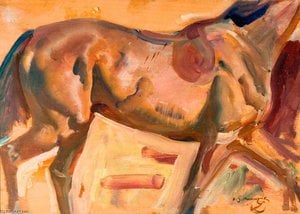
Horses Baiting

A tranquil pastoral scene of horses gathered at a trough by William Mulready the Younger captures the serene beauty of Victorian rural life through masterful realism, inviting you to bring this timeless charm into your home.

William Mulready (1786-1863): Irský malíř známý romantickými venkovskými scénami a životem v 19. století. Navrhl ikonickou poštovní obálku "Mulready", jeho díla jsou v mnoha muzejích.

Giclée / Umělecký tisk

Giclée nebo plátěný tisk muzeální kvality s rychlou výrobou a širokou nabídkou povrchových úprav. ( Objednat ručně malovanou reprodukci Přepnout na digitální verzi obrazu)

P118B $10
P118H $10
P118W $10
P438Z $10
P508JH $12
P508YH $12
P805H $10
P805Z $10
P919BZ $10
P919G $10
P919XJ $10
P959ZH $10
P968JZ $12
W106C $8
W218G $10
W218JH $8
W218Y $10
W307PJ $10
W316G $10
W316PJ $8
W316Y $10
W398PJ $8
W4111J $10
W500HY $15
W500JH $15
W692G $12
W849H $8
W940BG $15
W953PJ $8

Standardní velikost
na zakázku
CM
INCH

Vyberte si z našich přednastavených velikostí, které odpovídají původním proporcím díla.

šířka
výška

Můžete zadat vlastní rozměry tak, aby výtvor odpovídal konkrétnímu rámu nebo prostoru. Pokud zvolená velikost nebude odpovídat poměru stran původního obrazu, dílo buď ořížeme, nebo obraz rozšíříme pomocí zrcadlového efektu či jednobarevného okraje. Před zahájením výroby vám bude zaslán digitální náhled k schválení.
Mějte prosím na paměti, že náhled na obrazovce neodráží skutečné oříznutí nebo rozšíření. Pouze digitální náhled přesně zobrazí finální kompozici.
Ačkoliv jsou k dispozici i vlastní rozměry, pro zachování původních proporcí doporučujeme vybrat si rozměr z předdefinovaného seznamu.

Celosvětové doručení () do 2 týdnů namísto standardních 4/5 týdnů. (25 září)

why_choose_icon
Zdarma celosvětová expresní doprava
why_choose_icon
Vysoce kvalitní lněné plátno
why_choose_icon
Úplné pojištění přepravy
why_choose_icon
Záruka vrácení celního poplatku
why_choose_icon
Záruka věrného barevného shodu
why_choose_icon
100dení lhůta pro vrácení zboží (pouze při vadách výroby)
why_choose_icon
100% garance vrácení peněz
why_choose_icon
Sleva při více objednávkách

Celková cena

$ 68

reproduction

Horses Baiting

Giclée / Umělecký tisk

Velikost reprodukce

-

Celková cena

$ 68

Rychlé informace

  • Location: The Whitworth, The University of Manchester
  • Dimensions: 40 x 33 cm
  • Subject or theme: Rural landscape; Pastoral scene
  • Title: Horses Baiting
  • Influences: English Romanticism
  • Movement: Romanticism
  • Artist: William Mulready the Younger

William Mulready’s Horses Baiting: A Pastoral Echo of Victorian Sentiment

Horses Baiting by William Mulready (1786–1863), 1816, from The Whitworth, The University of Manchester is a deceptively tranquil depiction of rural life that speaks volumes about the Victorian fascination with nature and its role in shaping human emotion. Painted during a period marked by industrial expansion and social upheaval, Mulready’s artwork offers a respite from urban anxieties—a carefully crafted tableau designed to evoke feelings of serenity and idealized beauty. The painting's enduring appeal lies not merely in its visual charm but also in its subtle articulation of Victorian sensibilities concerning morality and the sublime.
  • Subject Matter: The scene portrays a simple pastoral setting featuring three horses gathered around a trough, accompanied by a solitary figure overseeing their activities. This deliberate choice of subject matter aligns perfectly with the Romantic movement’s emphasis on unspoiled landscapes and the contemplation of natural grandeur—a reaction against the perceived ugliness and corruption of industrial society.
  • Style: Mulready's style is firmly rooted in Realism, yet imbued with a Romantic spirit. He meticulously captures the textures of the horses’ coats, the rough bark of the ancient tree dominating the background, and the weathered appearance of the barn—details that convey an impression of authenticity while simultaneously elevating the scene to a level of aesthetic contemplation.
  • Technique: Employing oil paint on wood, Mulready utilizes layering techniques to achieve remarkable depth and luminosity. Careful blending creates soft gradations of color, enhancing the overall atmosphere of calm and inviting viewers into the depicted environment. The artist’s meticulous attention to detail underscores his commitment to portraying nature accurately—a hallmark of Victorian artistic practice.

Historical Context: Victorian Ideals of Landscape and Domestic Tranquility

The painting emerged from a broader cultural context characterized by anxieties surrounding industrialization and social reform. However, Mulready consciously sought to counter these concerns by presenting an image of rural harmony—a deliberate affirmation of traditional values and beliefs. The Whitworth Gallery’s acquisition of Horses Baiting reflects the Victorian appreciation for landscapes that embodied moral virtue and spiritual solace. It exemplifies the movement's conviction that communion with nature could nurture the soul and instill a sense of ethical responsibility.

Symbolism: Horses as Embodiments of Strength, Fertility, and Pastoral Virtue

Horses themselves hold significant symbolic weight within Victorian art and literature—representing strength, fertility, and nobility. In Mulready’s depiction, they symbolize not only physical prowess but also the pastoral ideal—a vision of rural life characterized by simplicity, contentment, and connection to the natural world. The presence of the solitary figure suggests a contemplative gaze upon this idyllic scene—reflecting Victorian belief in the importance of moral reflection and spiritual contemplation amidst the bustle of urban existence.

Emotional Impact: A Balm for Industrial Anxiety

Ultimately, Horses Baiting succeeds in transporting viewers to a realm of tranquility and beauty—offering a poignant counterpoint to the anxieties prevalent during the Victorian era. The muted palette contributes to the painting’s overall mood—creating an atmosphere of understated elegance and inviting contemplation. Mulready's masterful execution captures not just what is seen but also what is felt—affirming the enduring power of art to evoke emotion and inspire wonder. It stands as a testament to Victorian artists’ ability to distill complex philosophical ideas into accessible visual representations—a celebration of nature’s restorative qualities and its capacity to nourish the human spirit.

Biografie umělce

A Life Rooted in Observation: The World of William Mulready the Younger

Born in the quiet Irish town of Ennis, County Clare, in 1786, William Mulready the Younger embarked on a journey that would establish him as a pivotal figure in Victorian genre painting. His early life foreshadowed his artistic inclinations; a family relocation to London in 1792 provided access to a burgeoning art world and opportunities for formal training. Even as a young boy, Mulready demonstrated an exceptional talent for copying engravings, revealing a keen eye for detail and a natural aptitude for visual representation. This innate ability led him to the tutelage of John Graham, a historical painter who recognized his potential, followed by studies at the Royal Academy School around the age of fourteen – a significant achievement for someone from such humble beginnings. These formative years were characterized not only by academic instruction but also by self-directed learning; Mulready diligently copied prints and keenly observed actors in theatrical performances, honing his skills through dedicated practice and immersive observation of the world around him.

From Landscape to Life: The Evolution of a Genre Painter

Mulready’s artistic path wasn't immediately defined. He initially focused on landscapes, demonstrating an early mastery of depicting natural settings. However, around 1808, he began his transition into genre painting – scenes from everyday life – a shift that would ultimately define his career and secure his place in art history. This move was significantly influenced by the Dutch masters of the 17th century, whose works he meticulously studied in private collections. He absorbed their techniques for capturing realistic detail, nuanced characterizations, and intimate domestic settings. His paintings became imbued with a romantic sensibility, often carrying subtle moral undertones that resonated deeply with Victorian audiences. Recurring themes emerged in his work: children engaged in various activities, explorations of behavior and education, reflecting the societal concerns prevalent during the era. Mulready’s technical skill was remarkable, particularly evident in his detailed drawings of the nude figure – a testament to his dedication to mastering fundamental artistic principles. He wasn't merely recording life; he was interpreting it through a lens of sentiment and moral consideration, creating scenes that were both charming and thought-provoking.

Recognition and Innovation: A Royal Academician and Beyond

Mulready’s talent didn’t go unnoticed by the artistic establishment. He rapidly ascended within the ranks of the Royal Academy, becoming an Associate (A.R.A.) in 1815 and a full member (R.A.) just a year later – a remarkable feat demonstrating his exceptional skill and promise. His international recognition extended beyond Britain; in 1816, he was awarded the French Légion d'honneur, further solidifying his reputation as a leading artist of his time. Among his most celebrated works are “Returning from the Ale House” (also known as “Fair Time”), housed in the Tate Gallery, and “Giving a Bite,” which graces the Victoria and Albert Museum. “First Love”, also at the V&A, exemplifies his ability to capture tender emotion and delicate narrative. Beyond painting, Mulready’s creativity extended into design; he is perhaps equally well-known for designing the iconic Mulready stationery, introduced in 1840 alongside the Penny Black postage stamp. While initially met with some public disapproval – its complexity contrasted with the simplicity of the stamp itself – this commission remains a significant contribution to postal history and demonstrates his versatility as an artist. He also lent his talents to illustrating several children's books, including early editions of Charles and Mary Lamb’s “Tales from Shakespeare” and William Roscoe's "The Butterfly's Ball", bringing literary worlds to life through his visual interpretations.

Family Connections

  • Elizabeth Varley: Mulready’s wife, also a landscape painter.
  • Paul Augustus Mulready: One of his sons, who followed in his father’s artistic footsteps.
  • William Mulready Junior: Another son, known as a portrait painter and picture restorer.
  • Michael Mulready: The third son to pursue an art career.
  • Augustus Edwin Mulready: His grandson, a prominent member of the Cranbrook Colony of artists.

A Lasting Legacy: The Enduring Appeal of Victorian Life

William Mulready died in 1863, leaving behind a rich artistic legacy that continues to resonate today. His paintings were immensely popular during the Victorian era, reflecting and shaping contemporary tastes and values. He played a crucial role in establishing genre painting as a respected art form within Britain, elevating scenes of everyday life to the level of serious artistic consideration. Mulready’s influence extended beyond his own work; he came from a family deeply rooted in artistry – his wife Elizabeth Varley and their sons Paul Augustus, William Junior, and Michael all pursued careers as artists. His grandson, Augustus Edwin Mulready, became a prominent member of the Cranbrook Colony of artists, continuing the family tradition. While the Mulready stationery may have been short-lived, its association with the Penny Black ensures its place in history. More importantly, his paintings offer a captivating glimpse into Victorian life, capturing the essence of an era with remarkable detail and sensitivity. His dedication to technical mastery, combined with his ability to imbue ordinary scenes with emotional depth, secures William Mulready’s position as a significant and enduring figure in British art.

William Mulready the Younger

William Mulready the Younger

1786 - 1863 , Irsko

Rychlé informace

  • Artistic Movement Or Style: Žánrová malba
  • Artists Or Movements Influenced By This Artist: ['Victoriáni']
  • Artists Who Influenced This Artist:
    • Holman Hunt
    • Dutch mistři
  • Date Of Birth: 1786
  • Date Of Death: 1863
  • Full Name: William Mulready the Younger
  • Nationality: Irský
  • Notable Artworks:
    • Returning from Ale
    • Giving a Bite
    • First Love
  • Place Of Birth: Ennis, Irsko