


 Oil On CanvasWallArtClassicism
 1759Early Modern
 91.0 x 105.0 cm
Ručně malovaná olejná barva na plátně ve vašem zvoleném rozměru i s rámem, vyrobená našimi umělci na zakázku. ( Koupit tisk Koupit obrázek)





























Vyberte si z našich přednastavených velikostí, které odpovídají původním proporcím díla.

Můžete zadat vlastní rozměry pro konkrétní rám nebo prostor. Pokud se vámi vybraná velikost neshoduje s proporcemi původního obrazu, dílo buď ořízneme, nebo jej doplníme ručně malovanými prvky. Před zahájením výroby vám bude zaslán digitální náhled ke schválení.
Upozorňujeme, že náhled na obrazovce neodpovídá skutečnému ořezu ani rozšíření. Pouze digitální náhled přesně zobrazí finální kompozici.
Ačkoliv je možné zvolit vlastní velikost, pro zachování původních proporcí doporučujeme vybrat rozměr z předdefinovaného seznamu.
Celosvětová doprava () za 3–4 týdny namísto standardních 5 týdnů. (7 září). Bez kompromisů v kvalitě.


The Lady's Last Stake
Rozměry reprodukce
In the quiet, flickering glow of an eighteenth-century hearth, William Hogarth captures a moment of profound psychological tension that transcends the mere boundaries of a domestic scene. "The Lady's Last Stake," painted around 1759, is far more than a simple depiction of a card game; it is a masterclass in the art of the conversation piece. As we gaze upon this oil on canvas, we find ourselves drawn into an intimate, almost voyeuristic encounter between two souls. The room, bathed in the warm, amber light of a crackling fireplace, feels tangible—the heavy textures of the furniture and the soft shadows dancing across the walls invite the viewer to step inside this private sanctuary of high-stakes emotion.
The composition centers on a man and a woman locked in a silent yet thunderous dialogue. The woman, her hand pressed delicately against her face in a gesture of mounting anxiety or perhaps forced composure, embodies the very essence of the painting's title. She stands at a precipice, where the next card turned could signify either financial ruin or the preservation of her social standing. Beside her, the man watches with an intensity that is both piercing and unreadable, his gaze acting as a mirror to the viewer's own suspense. This interplay of gazes creates a magnetic pull, drawing the eye through the intricate details of the room—from the steady ticking of the clock above the mantle to the delicate silhouette of a vase on the dining table.
Hogarth, often celebrated as a biting satirist, demonstrates here a more nuanced, Classicism influenced approach, blending realism with deep symbolic resonance. While his fame often rests on the sharp edges of social critique, in this work, he employs a softer, almost Rococo sensibility to explore the fragility of virtue. The painting serves as a visual metaphor for the precariousness of life in Georgian England. Every element within the frame—the open window hinting at the outside world, the arrangement of the chairs, the very placement of the playing cards—contributing to a narrative of "Piquet: or Virtue in Danger."
For the discerning collector or interior designer, this piece offers an unparalleled opportunity to introduce a sense of historical gravity and intellectual depth into a space. The artwork does not merely decorate a wall; it anchors a room with its storytelling power. Its rich palette of warm ochres, deep shadows, and soft highlights provides a sophisticated foundation for classical or contemporary interiors alike. To possess a high-quality reproduction of this masterpiece is to hold a fragment of history, allowing the subtle drama of Hogarth's brushwork to inspire conversation and contemplation within the modern home.
Ultimately, "The Lady's Last Stake" remains a timeless exploration of human vulnerability. It reminds us that beneath the polished veneer of social etiquette lies a world of intense passion, risk, and consequence. Whether viewed as a study in light and shadow or as a profound commentary on the human condition, Hogarth’s work continues to captivate, offering an enduring elegance that resonates with anyone who finds beauty in the complex layers of the human heart.


1697 - 1764 , Spojené království
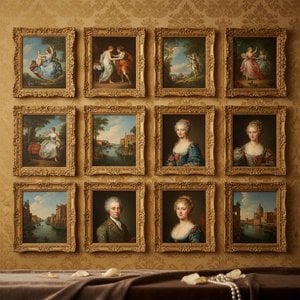
Immerse yourself in the elegance of the Rococo era. Explore 10 iconic masterpieces by legends like Fragonard and Watteau, featuring lush textures and pastel palettes. Find museum-quality art reproductions to inspire your decor. Discover all masterpieces on WahooArt.com.

Discover the exquisite allure of Rococo art. Explore a curated guide to 18th-century French masterpieces, from Watteau to Fragonard, and learn how hand-painted oil reproductions can bring timeless elegance and luxury to your sophisticated interior design collection.

Immerse yourself in the splendor of Rococo art. Discover the era of elegance through masterworks by Watteau and Fragonard. Explore themes of romance, aristocratic leisure, and gilded ornamentation in this definitive guide to 18th-century French opulence.

 Náhled
 Sdílet
 Sdílet
 Podrobnosti o díle

 Stáhnout
 Podobné položky
 Rentgenové snímky
 Slideshow
 Zobrazit více







 Skleněná varianta je dostupná pouze u rozměrů menších než 110 cm


