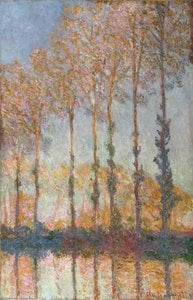
Koupě vysoce rozlišeného, vylepšeného digitálního obrazu, který je mnohem kvalitnější než online náhled.
Každý soubor je pečlivě připraven našimi odborníky pomocí pokročilých nástrojů a expertní manuální retuše. Zajišťujeme, aby každý obraz disponoval výjimečnou ostrostí, přesnou barevnou věrností a jemnými detaily.
Finální soubor vám bude do 72 hodin zaslán e-mailem, optimalizovaný pro okamžité použití v profesionálním, redakčním i tiskovém prostředí. Nabízíme stejnou kvalitu, které důvěřují špičková designová studia, nakladatelství i galerie.
Stáhněte si soubor ve vysokém rozlišení pro osobní prohlížení, tisk a kreativní projekty. ( Koupit tisk Koupit ručně malovaný obraz)
Když si vyberete WahooArt.com, nezískáváte pouze obrázek – získáváte digitální umělecké dílo s profesionálně vylepšenými detaily, zpracované s precizností a podpořené zárukou za spokojenost. Zde je vše, co vaše objednávka automaticky obsahuje:

Váš digitální obraz ve vysokém rozlišení vám bude zaslán e-mailem do 72 hodin od objednávky – připraven k okamžitému použití.

Vaše umělecké dílo je profesionálně optimalizováno pomocí pokročilých nástrojů umělé inteligence a manuální úpravy, což zajišťuje maximální úroveň detailu, ostrosti a přesnosti barev.

Soubor jste omylem smazali nebo ztratili? Žádný problém – kdykoliv vám ho znovu zašleme zcela zdarma.

Užijte si své umělecké dílo okamžitě bez celních poplatků, daní nebo nákladů na dopravu – digitální stažení je vždy bez daňových povinností.

Pomocí profesionálních nástrojů a správy barev zajišťujeme, aby váš digitální obraz odrážel původní barvy co nejvěrněji.

Pokud nebudete s digitálním obrázkem spokojeni, provedeme jeho revizi nebo vám vrátíme 100% platby do 100 dnů – bez jakýchkoliv dotazů.

Nespokojeni? Získejte plnou náhradu peněz do 100 dnů od obdržení digitálního souboru – bez zbytečných dotazů.

Koupěte si 3 obrazy, ušetřete 10% - Koupěte si 5, ušetřete 15% - Koupěte si 10+, ušetřete 20%. Ideální pro kreativní projekty, galerie a agentury.

The story of William Henry Clapp is one of movement, much like the shifting light he so passionately sought to capture on canvas. Born in Montreal in 1879 to American parents, Clapp’s identity was as fluid as his brushstrokes, embodying a unique Canadian-American heritage that allowed him to bridge different artistic worlds. His early years were marked by a profound connection to the landscapes of North America, yet it was his journey toward the heart of the European avant-garde that would ultimately define his creative soul. As he moved between the academic rigor of Montreal and the vibrant, experimental atmosphere of Paris, Clapp developed a vision that refused to be tethered to a single tradition, instead opting for a synthesis of classical foundation and modern innovation.
Clapp’s artistic maturation was deeply rooted in the prestigious academies of France. Studying at the Académie Julian, Académie Colarossi, and the Académie de la Grande Chaumière, he immersed himself in an era of radical transformation. It was here that the whispers of Impressionism and the bold, emotive colors of Fauvism began to reshape his perception. He did not merely observe the world; he sought to experience its atmospheric nuances through a lens of broken color and light. His time in Paris allowed him to absorb the brilliance of masters like Monet, leading him toward a personal style that danced on the edge of Pointillism. This technique—using small, distinct dots or strokes of color—allowed him to recreate the shimmering, ephemeral quality of sunlight filtering through autumn leaves or reflecting off a coastal tide.
Upon returning to the United States, Clapp found a new muse in the rugged, sun-drenched landscapes of Oakland, California. This period marked one of his most significant contributions to American art history. Alongside a group of like-minded visionaries, he co-founded the Society of Six, an influential collective that challenged the more conservative landscape traditions of the time. Working with artists such as Selden Connor Gile and August Gay, Clapp helped introduce a vibrant, high-keyed palette to the West Coast, heavily influenced by the French Fauvist movement. This group sought to capture the raw, unadulterated essence of the California landscape, prioritizing emotional resonance and color intensity over photographic accuracy.
His work during this era serves as a testament to his ability to adapt European sensibilities to American subject matter. Whether depicting the tranquil shores of a coastal landing or the lush, sun-dappled forests of the north, Clapp’s paintings possess an inherent vitality. His later works, characterized by a more pronounced Pointillist approach, demonstrate a lifelong commitment to exploring how light interacts with form. This dedication to the plein air tradition—painting directly from nature—ensured that his canvases remained deeply connected to the physical world, even as his technique moved toward abstraction.
Beyond the easel, Clapp’s impact on the art world was profoundly felt through his role as a custodian of culture. Serving as the Director of the Oakland Gallery (now known as the Oakland Museum) for over three decades, he played a pivotal role in shaping the aesthetic landscape of California. His dual identity as both a creator and a curator allowed him to foster an environment where new movements could flourish and where the public could engage with the evolving language of modern art. This period of leadership solidified his status not just as a painter of landscapes, but as a foundational figure in the development of American regionalism.
The historical significance of William Henry Clapp lies in his ability to weave together disparate threads of art history:

 Náhled
 Sdílet
 Sdílet
 Podrobnosti o díle

 Stáhnout
 Podobné položky
 Rentgenové snímky
 Slideshow
 Zobrazit více