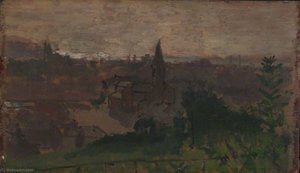
Walter Richard Sickert: A Life Painted in Shadows and Light
Walter Richard Sickert, narozený v Mnichově roku 1860 a zemřelý v Bathamptonu v roce 1942, byl fascinující a často kontroverzní postava britského umění. Jeho život byl poutem mezi světy – německým původem, britským občanstvím a neustálou snahou o nalezení svého místa v uměleckém světě, který se rychle měnil. Rané roky jeho života byly poznamenány neustálou změnou; rodinná migrace do Anglie v roce 1868, spojená s politickými změnami v Evropě, zanechala v něm pocit odcizení, který pravděpodobně poháněl jeho životní fascinaci cizinci a marginalizovanými lidmi. Ačkoli pocházel z rodiny umělců – jeho otec, Oswald Sickert, byl dánský malíř – mladý Walter původně usiloval o kariéru na jevišti, kde krátce hrál jako herec vedle slavného sira Henryho Irvinga. Tato raná zkušenost s divadlem, s uměním iluze a charakteru, hluboce ovlivnila jeho umělecké vizi, obdařujíc jeho obrazy teatrálností a psychologickou hloubkou, které je odlišovaly od jeho současníků. Nicméně, lákání vizuálního vyjádření bylo silnější a vedlo ho k zápisu na Slade School v roce 1881 a následně k věrnému učení u Jamese Abbott McNeilla Whistlera. Toto vedení bylo transformační; inspirovalo Sickerta k preferenci tonalních studií malovaných *alla prima*, přímo z přírody, a k jemnému estetickému citu, který podložil jeho rané dílo. Vliv Whistlera nebyl jen technický; podpořil ocenění umělecké nezávislosti a ochotu zpochybňovat konvence.
London's Underbelly and the Allure of Modern Life
Sickertův umělecký kompas se rychle obrátil k pulzujícímu, často drsným realitám londýnského života. Stal se fascinován atmosférou města – hudebních sálů, prostorem plném energie, šou a rozmanitého segmentu společnosti. Jeho obrazy z tohoto období, jako je
Katie Lawrence at Gatti's, jsou pozoruhodné pro svou neohnutelnost v zachycení těchto prostředí a jejich obyvatel. Nešlo o pouhé reprezentace; šlo o průzkum moderního městského existence, zachycující krátké okamžiky a syrové emoce zažité v těch zdeních prostorách. Snažil se malovat život tak, jak byl skutečně žít, nikoli tak, jak byl idealizován – radikální odklon od viktoriánských uměleckých konvencí. Tato oddanost realitě vyvolala kontroverzi; kritici považovali jeho předměty za „špatné“ a „zvrácené“, zpochybňujíc smysly, které upřednostňovaly idealizované reprezentace. Sickertova ochota malovat obyčejné lidi, zejména ženské umělecké hvězdy, s upřímností a bez romantizace, byl provokativní čin, který předznamenal posun k sociální realitě v 20. století. Jeho čas strávený v Dieppu, Francii, od roku 1894 dále, se také ukázal jako zásadní, nabízející nové perspektivy na světlo, barvy a kompozici, zatímco jeho následné návštěvy Benátek dále upřesnily jeho přístup k zachycování vnitřních prostorů a složitých uspořádání postav. Neznamenal jen zaznamenávat to, co viděl; chtěl to interpretovat prostřednictvím svého osobitého pohledu, obdařujíc i nejobyčejnější scény pocitem záhadnosti a psychologické napětí.
The Influence of Whistler and the Pursuit of a Unique Style
Sickertův umělecký směr byl silně ovlivněn Whistlerovým přístupem k malbě, který kladl důraz na tonalitu, kompozici a práci *alla prima*. Sickert se naučil malovat přímo z přírody, zachycujíc světlo a stín s precizností a jemností. Whistlerova podpora ho také inspirovala k experimentování s novými technikami a materiály, což vedlo k jeho jedinečnému stylu. V roce 1883 Sickert cestoval do Paříže, kde se setkal s Edgar Degasem, jehož používání obrazového prostoru a důraz na kresbu měl na Sickertovu tvorbu silný vliv. Vyvinul osobní verzi impresionismu, která upřednostňovala temné zabarvení. Na základě rady Degase Sickert maloval ve studiu a pracoval na základě kresby a paměti, označoval to jako únik z „tyranii přírody“.
The Camden Town Group and the Exploration of Modern Themes
Jak začalo 20. století, Sickert se stal klíčovou postavou rozvíjejícího se britského avantgardního hnutí. Přidal se k New English Art Club v roce 1888, spojil se s umělci, kteří přijímali impresionistické principy. Později hrál klíčovou roli při založení Camden Town Group v roce 1911 – skupiny umělců, kteří se zavázali k zobrazení moderního života s neohnutelností a inovativním stylem. Vliv Sickerta na tuto skupinu byl hluboký; povzbuzoval je, aby se odklonili od akademických omezení a prozkoumávali nové formy vyjádření. Maloval během tohoto období často znepokojivé předměty, jako je jeho série
Camden Town Murder, odrážející rostoucí fascinaci s kriminálními činy a psychologickým napětím. Tato ochota konfrontovat obtížné témata upevňovala jeho pověst provokativního a význačného umělce. Neznamenal jen zobrazení povrchu věcí; chtěl se ponořit do temnějších rejů lidské psýchy, prozkoumávat témata alienationu, úzkosti a morální nejistoty.
Legacy and Lingering Mysteries
Sickertův dědictví přesahuje jeho plodnou tvorbu. Byl katalyzátorem změny v britském umění, který dal cestu budoucím generacím umělců k přijetí modernismu a prozkoumávání nových cest vyjádření. Jeho vliv lze nalézt ve dílech mnoha malířů, zejména těch spojených s London Groupem a dalšími avantgardními hnutími. Sickertova odvážná osobnost, jeho závazek k realitě a ochota zpochybňovat společenské normy pokračují inspirovat umělce dodnes. Jeho obrazy zůstávají mocnými svědky měnícího se světa, nabízející pohledy do životů a zkušeností těch, kteří jsou obvykle přehlíženi tradiční uměleckou historií. *Byl umělec, který se odvážil dívat za povrch, konfrontovat nepříjemné pravdy moderního života a zachytávat je na plátně s neochvějnou upřímností.*
Key Details & Influences
- Born: May 31, 1860, Munich, Bavaria
- Died: January 22, 1942, Bathampton, England
- Key Influences: James Abbott McNeill Whistler, Edgar Degas
- Associated Groups: New English Art Club, Camden Town Group



 Náhled
 Přepnout na tisk
 Sdílet
 Sdílet
 Podrobnosti o díle

 Stáhnout
 Podobné položky
 Rentgenové snímky
 Slideshow
 Statistiky


 Zobrazit více