NáhledNáhled Náhled v ARNáhled v AR Přepnout na tisk Přepnout na tiskKoupit ručně malovaný obraz Koupit ručně malovaný obraz SdíletSdílet
Podrobnosti o dílePodrobnosti o díle Přidat do oblíbených Přidat do oblíbených StáhnoutStáhnout Podobné položkyPodobné položky Rentgenové snímkyRentgenové snímky SlideshowSlideshow StatistikyStatistiky

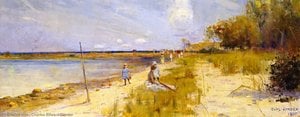
Seeking for gold - cradling

Experience Heidelberg School Impressionism with Withers' 1893 gold panning scene, capturing Australian resilience through vibrant light and color; discover this masterpiece today.

Explore Walter Herbert Withers (1854-1914), a pioneering Australian Impressionist & Heidelberg School artist. Discover landscapes, 'Seeking for Gold,' and his legacy in Australian art history.

Koupě vysoce rozlišeného, vylepšeného digitálního obrazu, který je mnohem kvalitnější než online náhled.

Každý soubor je pečlivě připraven našimi odborníky pomocí pokročilých nástrojů a expertní manuální retuše. Zajišťujeme, aby každý obraz disponoval výjimečnou ostrostí, přesnou barevnou věrností a jemnými detaily.

Finální soubor vám bude do 72 hodin zaslán e-mailem, optimalizovaný pro okamžité použití v profesionálním, redakčním i tiskovém prostředí. Nabízíme stejnou kvalitu, které důvěřují špičková designová studia, nakladatelství i galerie.

Digitální obrazy

Stáhněte si soubor ve vysokém rozlišení pro osobní prohlížení, tisk a kreativní projekty. (Přepnout na tisk Přepnout na tiskKoupit ručně malovaný obraz Koupit ručně malovaný obraz)

Celková cena

$ 24,90

Součást každé objednávky digitálního obrazu

Profesionální digitální doručení, zaručeno.

Když si vyberete WahooArt.com, nezískáváte pouze obrázek – získáváte digitální umělecké dílo s profesionálně vylepšenými detaily, zpracované s precizností a podpořené zárukou za spokojenost. Zde je vše, co vaše objednávka automaticky obsahuje:

shipping_icon
Rychlé doručení e-mailem

Váš digitální obraz ve vysokém rozlišení vám bude zaslán e-mailem do 72 hodin od objednávky – připraven k okamžitému použití.

canvas_icon
Digitální soubor s využitím AI

Vaše umělecké dílo je profesionálně optimalizováno pomocí pokročilých nástrojů umělé inteligence a manuální úpravy, což zajišťuje maximální úroveň detailu, ostrosti a přesnosti barev.

insurance_icon
Bezplatné doživotní znovuodeslání

Soubor jste omylem smazali nebo ztratili? Žádný problém – kdykoliv vám ho znovu zašleme zcela zdarma.

tax_icon
Bez poplatků za dovoz – navždy

Užijte si své umělecké dílo okamžitě bez celních poplatků, daní nebo nákladů na dopravu – digitální stažení je vždy bez daňových povinností.

color_icon
Záruka přesnosti barev

Pomocí profesionálních nástrojů a správy barev zajišťujeme, aby váš digitální obraz odrážel původní barvy co nejvěrněji.

return_icon
100dená záruka spokojenosti

Pokud nebudete s digitálním obrázkem spokojeni, provedeme jeho revizi nebo vám vrátíme 100% platby do 100 dnů – bez jakýchkoliv dotazů.

guarantee_icon
100% záruka vrácení peněz

Nespokojeni? Získejte plnou náhradu peněz do 100 dnů od obdržení digitálního souboru – bez zbytečných dotazů.

discount_icon
Slevy při hromadných objednávkách

Koupěte si 3 obrazy, ušetřete 10% - Koupěte si 5, ušetřete 15% - Koupěte si 10+, ušetřete 20%. Ideální pro kreativní projekty, galerie a agentury.

Základní informace

  • Movement: Heidelberg School
  • Year: 1893
  • Dimensions: 67 x 49 cm
  • Title: Seeking for gold - cradling
  • Subject or theme: Australian landscape
  • Artist: Walter Herbert Withers
  • Artistic style: Impressionism

Kvíz o umění

U každé otázky je pouze jedna správná odpověď.

Otázka 1:
What is the primary subject matter depicted in ‘Seeking for Gold - Cradling’?
Otázka 2:
In what artistic movement is Walter Herbert Withers considered a prominent figure?
Otázka 3:
Where was ‘Seeking for Gold - Cradling’ painted?
Otázka 4:
What technique is Walter Withers primarily known for utilizing in his paintings?
Otázka 5:
Approximately when was ‘Seeking for Gold - Cradling’ created?

Seeking for Gold - Cradling: A Pioneer's Vision of Australian Landscape

Walter Herbert Withers’ “Seeking for Gold – Cradling,” painted in 1893, stands as a cornerstone of Heidelberg School Impressionism and embodies the spirit of Australia’s burgeoning gold rush era. More than just a depiction of physical labor, it’s a profound meditation on the relationship between man and nature—a theme central to the artistic movement that flourished in Victoria during this period.

The painting captures two men diligently fossicking for gold within a shallow creek bed bathed in brilliant sunlight. Withers meticulously rendered the scene with loose brushstrokes characteristic of Impressionism, prioritizing capturing fleeting moments of light and color rather than precise detail. The artist’s focus isn't on portraying individual faces or expressions; instead, he conveys an atmosphere of determination and quiet contemplation—a reflection of the hardships endured by miners striving for prosperity.

The central element is the gold cradle – a simple wooden box fitted with inclined rockers and sieves – which was skillfully moved by hand to process soil. Withers’ masterful use of color contributes significantly to the painting's emotive power. Warm hues dominate, mirroring the radiant sunlight illuminating the creek and highlighting the earthy tones of the miners’ clothing and surroundings. These colors aren’t merely descriptive; they evoke a sense of optimism and resilience.

  • Artist: Walter Herbert Withers
  • Year Painted: 1893
  • Location: Creswick, Victoria, Australia
  • Medium: Oil on Hardboard
  • Dimensions: 67 x 49 cm (framed)

“Seeking for Gold – Cradling” resides in the National Gallery of Australia and exemplifies Withers’ commitment to portraying the Australian landscape with sensitivity and artistic innovation. Its enduring appeal lies in its ability to convey not only a snapshot of historical circumstance but also a deeper exploration of human perseverance against challenging conditions—a timeless testament to the beauty found within the everyday.

The Heidelberg School, established in Melbourne in 1886, championed plein air painting – working outdoors directly from nature – rejecting studio conventions and embracing Impressionistic techniques. Withers’ work aligns perfectly with this ethos, demonstrating a profound respect for the Australian environment and its influence on artistic expression. Collectors and interior designers alike appreciate “Seeking for Gold – Cradling” for its evocative color palette, masterful brushwork, and ability to transport viewers back to a pivotal moment in Australian history.

Consider commissioning a high-quality reproduction of this iconic artwork to infuse your home with the spirit of Heidelberg School Impressionism—a celebration of light, color, and the enduring human connection to the natural world.


Biografie umělce

The Visionary of the Australian Light: The Life of Walter Herbert Withers

Born amidst the industrial landscapes of Aston Manor, Warwickshire, in 1854, Walter Herbert Withers would eventually become a primary architect of the Australian visual identity. His journey from the United Kingdom to the heart of the Antipodes was more than a mere geographical relocation; it was an artistic pilgrimage that allowed him to translate the rugged, sun-drenched essence of the Australian bush into the sophisticated language of Impressionism. Though his father initially harbored reservations about a life dedicated to the brush, the burgeoning passion within Withers could not be suppressed. This early struggle between familial expectation and creative calling forged a resilient spirit that would later define his approach to the challenging, ever-shifting light of the Australian landscape.

The foundation of Withers’ technical mastery was laid through rigorous academic training and a deep immersion in the European tradition. His time at the Académie Julian in Paris served as a pivotal chapter, where he absorbed the revolutionary techniques of plein air painting. This method—the practice of stepping out from the studio to capture nature directly under the open sky—became the heartbeat of his work. By studying the interplay of light and shadow through a French lens, Withers developed a meticulous eye for detail that remained grounded in the atmospheric spontaneity of the Impressionist movement. His early years as a drawing and painting master further refined his ability to observe the subtle nuances of form and texture, skills he would later share with a new generation of Australian talent.

A Pillar of the Heidelberg School

Upon arriving in Melbourne in 1883, Withers found himself at the epicenter of a burgeoning national art movement. He became an integral member of the Heidelberg School, joining forces with legendary figures such as Arthur Streeton and Fred McCubbin. Together, these artists sought to move away from colonial, European-centric depictions of Australia, striving instead to capture the authentic, raw beauty of the local environment. Withers’ contribution to this movement was characterized by a unique ability to blend the structural precision of his academic training with the emotive, vibrant color palettes favored by his contemporaries.

His work often moved beyond mere landscape to explore the human connection to the land. One of his most evocative themes involved the depiction of Australian life and the grit of the gold rush era. In masterpieces such as 'Seeking for Gold - Cradling', Withers utilized a masterful command of light to narrate stories of resilience and hope. Through these scenes, he captured the rhythmic labor of gold panning and the quiet dignity of those navigating the frontier, transforming historical moments into timeless, atmospheric studies of human endurance.

Legacy and Artistic Significance

The significance of Walter Herbert Withers lies in his role as a bridge between tradition and modernity. While his techniques were rooted in the classical academies of Europe, his soul was firmly planted in the Australian soil. His ability to render the eucalyptus-scented air, the harsh midday sun, and the tranquil winter shadows helped establish a visual vocabulary that allowed Australians to see their own country through an elevated, artistic lens.

Throughout his career, Withers remained a dedicated observer of nature’s fleeting moments. His legacy is preserved not only in the galleries that house his landscapes but in the very way we perceive the Australian light today. He remains a cornerstone of Australian art history, remembered as a painter who could capture both the monumental scale of the bush and the intimate, quiet whispers of the natural world.