Biografie umělce
A Life Forged in Geometry: The World of Victor Vasarely
Victor Vasarely, vlastním jménem Károly Vásárhelyi, se narodil v roce 1906 v Pécs, město tehdy spojené s Rakousko-Uherskem (nyní Chorvatsko), a jeho životní cesta k tomu, aby se stal průkopníkem Op Artu a kinetického umění, nebyla předurčena. Jeho rané dětství naznačovala cestu daleko od plátna; zpočátku studoval medicínu na Univerzitě Eötvös Loránda v Budapešti. Nicméně, přitažlivost vizuálního vyjádření byla příliš silná a v roce 1927 opustil medicínu, aby se věnoval umění, zapsal se na Akademii Podolini-Volkmann. Tato rozhodnutí neznamenala jen změnu povolání, ale začátek celoživotní explorace základních principů ovlivňujících vnímání a tvar. Klíčový okamžik přinesla jeho přijetí do dílny Sándora Bortnyika – Műhely, školy hluboce ovlivněné Bauhausovým hnutím. Zde Vasarely absorboval zásady funkčního designu a geometrické abstrakce, semena, která rozkvetla v jeho charakteristický styl. Tyto formativní roky nebyly jen o získávání techniky; šlo o ničení tradičních uměleckých konvencí a přijetí nového vizuálního jazyka založeného na logice a přesnosti.
From Early Abstraction to the Dawn of Op Art
Pozdější 20. století a počátek 30. let přinesly postupný odklon Vasarelyho od reprezentativního umění, jak se hlouběji ponořil do světa geometrické abstrakce. Díla jako „Modrá studie“ a „Zelená studie“, vytvořená v roce 1929, ilustrují tuto transformaci – záměrné odstranění narativního obsahu ve prospěch čistého tvaru a barevných vztahů. Ačkoli byl ovlivněn mistři jako Piet Mondrian a Kazimir Malevich, Vasarely nebyl spokojen s pouhým napodobováním jejich stylů. Hledal transcendenci statických kompozic svých předcházejících umělců, usiloval o dynamiku, která by aktivně zapojovala vnímání diváka. Tato snaha ho vedla do Paříže v roce 1930, kde se etabloval jako grafický designér a reklamní umělec, zdokonaloval své dovednosti při současném pokračování ve vývoji svého jedinečného uměleckého zobrazení. Byla to v tomto období, kdy začal experimentovat s technikami, které by později staly se charakteristickými pro Op Art – manipulací s tvary a barvami za účelem vytváření iluzí pohybu a hloubky. Semena byla zasaděna pro revoluci ve vizuálním zážitku.
The Systematic Illusion: Defining a Movement
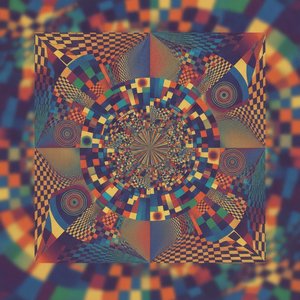
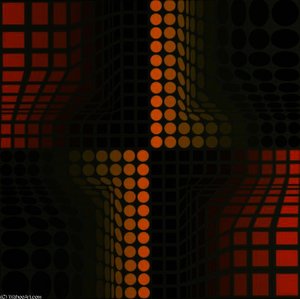
Kolem roku 1960 se Victor Vasarely pevně etabloval jako vedoucí postava rozvíjejícího se Op Artového hnutí. Na rozdíl od mnoha umělců, kteří spoléhali na intuici a spontánní vyjádření, Vasarely přistupoval ke svému dílu sřistou systematickou metodologií. Používal mřížky a matematické principy k generování vzorů, které vytvářely silné optické iluze – vizuální vibrace, vířivé efekty a pocity hloubky tam, kde fyzicky neexistovaly. Nebyla to o triku; šlo o odhalení inherentní dynamiky uvnitř vnímání samotného. Věřil v reprodukovatelnost a masovou oblibu, usiloval o demokratizaci umění tím, že ho učinil dostupným mimo okruhy galerií a muzeí. Jeho díla podněcovala diváky k tomu, aby se sami ptali na své vlastní vizuální zážitky, nucili je aktivně se zapojit do vytváření významu. Tato záměrná angažovanost s vnímáním odlišovala Op Art od ostatních a upevňovala jeho místo na čele tohoto hnutí. On sám nevytvářel jen obrazy; stavěl zážitky.
Historical Significance and Lasting Influence
Vasarelyho přínos umělecké historii je mnohostranný. Přenesl se za tradiční techniky malování a vytvořil díla, která aktivně zapojují diváka do vnímání. Jeho systematický přístup zpochybnil konvenční představy o umělecké kreativitě a položil základy pro počítačově generované umění a digitální design. Osvobozujíc reprodukovatelnost a komerční aplikace, Vasarely rozmazal hranice mezi uměním a populární kulturou, zanechal si tak trvalý odkaz jak v oblasti umění, tak i v dalších oblastech. On sám nevytvářel jen esteticky příjemné objekty; prováděl vizuální experimenty, která odhalila základní pravdy o tom, jak vnímáme svět. Jeho dílo nadále rezonuje dodnes a připomíná nám sílu abstrakce, krásu geometrie a nekonečné možnosti lidské kreativity.
Key Achievements and Innovations
Mezi klíčové úspěchy a inovace Vasarelyho patří jeho systematický přístup k tvorbě Op Artových obrazů, založený na matematických principech a mřížkách. Jeho práce se stala známou díky vytváření optických iluzí, které podněcovaly vnímání diváka. Dalším významným úspěchem byla jeho spolupráce s Rosenthal porcelain, která vedla k vytvoření ikonického řady nádobí "Suomi". Vasarely také experimentoval s kinetickým uměním a vytvořil díla, která obsahovala skutečný pohyb nebo se jeví jako pohyb prostřednictvím pečlivě uspořádaných vizuálních efektů. Jeho instalace v Centre Pompidou v Paříži, "Georges Pompidou", byla dalším důkazem jeho inovativního přístupu. A konečně, zahrnutí jeho serigrafií na palubu kosmické lodi Salyut 7 v roce 1982 symbolizovalo globální uznání jeho umění a jeho spojení s širší lidskou snahou o průzkum.



 Náhled v interiéru
 Koupit ručně malovaný obraz
 Sdílet
 Sdílet
 Podrobnosti o díle
 Průvodce

 Stáhnout
 Podobné položky
 Rentgenové snímky
 Slideshow
 Q&A
Q&A Statistiky

 Zobrazit více






































 Skleněná varianta je dostupná pouze u rozměrů menších než 110 cm