Umělecké dílo zobrazené na této stránce je chráněno autorským zákonem, což znamená, že nemůžeme legálně vytvářet ani prodávat jeho identickou reprodukci. Tato ochrana je vymáhána na základě mezinárodních dohod, jako například Berberská úmluva a národními zákony, včetně těch stanovených v Americký autorský zákon – Díl 17. Všechna práva vyhrazena.
Tato metoda je plně v souladu s autorským právem, protože nezahrnuje kopírování ani duplikování chráněného díla. Jde o kreativní reinterpretaci – nový obraz, který je inspirován originálem, ale není s ním identický.
Giclée nebo plátěný tisk muzeální kvality s rychlou výrobou a širokou nabídkou povrchových úprav. ( Koupit ručně malovaný obraz Přepnout na digitální obraz)





























Vyberte si z našich přednastavených velikostí, které odpovídají původním proporcím díla.

Zadejte šířku a výšku, které potřebujete pro váš rám nebo stěnu. Tisk lze pouze oříznout, nikdy však nelze zvětšit obraz nad jeho původní rozměr, proto při výběru jiného formátu dochází ke ztrátě části obrazu. Před samotným tiskem vám zašleme digitální náhled k schválení. Obraz zobrazený na této stránce nenabízí skutečný výřez — ten uvidíte pouze v náhledu.
Celosvětové doručení () do 2 týdnů namísto standardních 4/5 týdnů. (8 listopad)
Opus 2604
Rozměry reprodukce
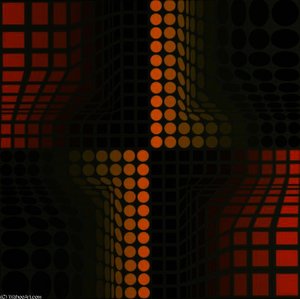
Victor Vasarely's *Opus 2604* is not merely a painting; it’s an invitation to question the very nature of visual reality. This mesmerizing work, dominated by a vibrant blue spiral punctuated with meticulously arranged circles, embodies the core tenets of Op Art – Optical Art – a movement that emerged in the mid-20th century and continues to captivate viewers with its illusionistic power. Born Károly Vaszary in 1906 in Pécs, Croatia, Vasarely’s artistic trajectory began unexpectedly, initially driven by an interest in medicine before he was drawn to the expressive possibilities of color and form. His formative years within the Bauhaus-influenced workshop of Sándor Bortnyik instilled a profound understanding of geometric abstraction and functional design, principles that would become the bedrock of his groundbreaking style.
At its heart, *Opus 2604* is a testament to Vasarely’s mastery of optical illusion. The painting employs a complex system of concentric circles – varying in size and hue – arranged within a spiraling framework. This arrangement deliberately exploits the human visual system's tendency to perceive movement and depth. The eye, constantly attempting to resolve the conflicting cues presented by the overlapping circles, creates the sensation of three-dimensionality, even though the painting itself is strictly two-dimensional. Vasarely meticulously controlled these elements, understanding that subtle shifts in scale and color could dramatically alter the viewer’s perception. This technique, central to Op Art, aimed to stimulate the eye and challenge traditional notions of representation.
The predominantly blue palette of *Opus 2604*, accented with strategic green highlights, contributes significantly to its visual impact. Blue, often associated with tranquility and infinity, reinforces the sense of depth within the spiral. The use of varying shades and intensities within the circles further enhances this illusionistic effect. Created during a period of rapid technological advancement and shifting artistic sensibilities, *Opus 2604* reflects the broader cultural fascination with science, technology, and the exploration of perception. Vasarely’s work aligns with the post-war interest in abstract art and its potential to convey complex ideas through purely visual means – a reaction against representational painting's perceived limitations.
*Opus 2604* transcends mere optical trickery; it evokes a sense of dynamism, movement, and perhaps even the feeling of infinite space. The spiral itself is a powerful symbol – often associated with growth, evolution, and the cyclical nature of time. Vasarely’s deliberate arrangement of circles creates a visual rhythm that draws the viewer's eye across the canvas, generating a meditative experience. The painting’s enduring appeal lies in its ability to stimulate both intellectual curiosity and emotional response, prompting viewers to contemplate their own relationship with perception and reality.
Ručně malovanou reprodukci díla „Opus 2604“ od Victor Vasarely si můžete objednat přímo na jeho stránce Ručně malovaná reprodukce: ručně malovaná olejová reprodukce na lněném plátně, vyrábíme na zakázku.
Technikou díla „Opus 2604“ od Victor Vasarely je Acrylic On Canvas. Reprodukce mají za cíl věrně zachytit vzhled této techniky.
Barvy v díle „Opus 2604“ od Victor Vasarely mají Vivid intenzitu.

1906 - 1997 , Chorvatsko
Explore the mesmerizing world of Victor Vasarely. Discover how his Bauhaus-inspired Op Art masters the science of perception through geometric abstraction and vibrant color. A sophisticated guide for discerning art collectors seeking to understand the legacy of optical illusion.

Explore the profound spiritual depth of geometric abstraction. From Malevich's Suprematism to modern masters, our expert guide reveals how pure form and color command presence in fine art collections.
 Náhled v interiéru
 Sdílet
 Sdílet
 Podrobnosti o díle
 Průvodce

 Stáhnout
 Podobné položky
 Rentgenové snímky
 Slideshow
 Otázky a odpovědi
 Statistiky

 Zobrazit více









 Skleněná varianta je dostupná pouze u rozměrů menších než 110 cm