


Giclée nebo plátěný tisk muzeální kvality s rychlou výrobou a širokou nabídkou povrchových úprav. ( Koupit ručně malovaný obraz Přepnout na digitální obraz)





























Vyberte si z našich přednastavených velikostí, které odpovídají původním proporcím díla.

Zadejte šířku a výšku, které potřebujete pro váš rám nebo stěnu. Tisk lze pouze oříznout, nikdy však nelze zvětšit obraz nad jeho původní rozměr, proto při výběru jiného formátu dochází ke ztrátě části obrazu. Před samotným tiskem vám zašleme digitální náhled k schválení. Obraz zobrazený na této stránce nenabízí skutečný výřez — ten uvidíte pouze v náhledu.
Celosvětové doručení () do 2 týdnů namísto standardních 4/5 týdnů. (13 listopad)
Two Boys before an Easel
Rozměry reprodukce
The composition presents two young boys positioned before an easel, captured in a medium close-up. In the foreground, one boy is seen in profile, his face illuminated by a concentrated light source that defines the contours of his features. He wears a garment with a sleeve made of saturated purple satin, which reflects light with a distinct sheen. Behind him, a second boy is partially visible, his presence more obscured by the shadows. The background remains dark and indistinct, lacking specific architectural or environmental details. This use of chiaroscuro creates a sharp contrast between the illuminated skin tones and the deep blacks and browns that dominate the surrounding space. The brushwork is precise, particularly where light hits the folds of the purple fabric and the soft curls of the hair.
The color palette relies on muted golds and heavy, dark tones to establish a somber atmosphere. The texture of the clothing, specifically the silk-like quality of the sleeve, is rendered with careful attention to how light interacts with different surfaces. Lines are used to define the edges of the figures against the darkness, though they remain soft in areas of transition. The focus remains fixed on the interaction between the subjects and the object of their attention: a sketch or painting resting upon the easel.
This work is characteristic of the 17th-century Utrecht Caravaggism style, a movement that integrated Italian Baroque principles into Northern European painting. The technique emphasizes realism through the dramatic application of light and shadow to sculpt forms out of darkness. Such methods were common among artists who had studied in Rome and brought back an interest in intense, realistic representation and the use of sudden, directional light. The subject matter—an artist or student observing a work on an easel—suggests themes of observation and the process of learning.
The painting reflects a period of artistic experimentation where painters moved between intense, dark compositions and more classical, lighter styles. In this specific piece, the heavy shadows and the focus on a single, brightly lit subject point to the influence of Caravaggio's approach to composition. The way the light catches the edge of the boy's profile and the texture of his clothing demonstrates a commitment to capturing the physical reality of light hitting varied materials, from skin to satin.
Autorskoprávní status díla „Two Boys before an Easel“ – v rámci volného užití – autorská práva vypršela – vyplývá ze smrti umělce v roce 1671.
„Two Boys before an Easel“ je spojováno s Reflective pocity. Emocionální náboj díla popisuje dojem, který z něj vyzařuje.
Z hlediska vnímané jasnosti je dílo „Two Boys before an Easel“ od Jacob van Oost deep_shadow.


Step into the elegance of the Baroque era with our curated guide to Sir Anthony van Dyck's top 25 masterpieces. Explore royal portraits and Flemish brilliance through museum-quality art reproductions and timeless decor inspiration. Discover all masterpieces on WahooArt.com.

Immerse yourself in the profound emotion of Rogier van der Weyden. Explore 25 iconic Early Netherlandish masterpieces, from intricate textures to divine pathos. Find inspiration for museum-quality art reproductions and decor. Discover all masterpieces on WahooArt.com.
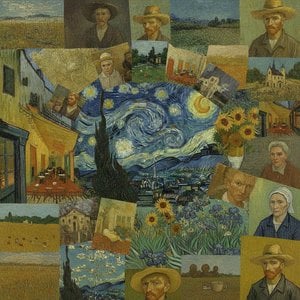
Explore 25 iconic Van Gogh masterpieces and their stories. Discover museum-quality art at WahooArt.com.

Explore 25 iconic Van Gogh and modern masterpieces from the Kröller-Müller Museum. Discover the full collection online at WahooArt.com.
 Náhled v interiéru
 Sdílet
 Sdílet
 Podrobnosti o díle
 Průvodce

 Stáhnout
 Podobné položky
 Rentgenové snímky
 Slideshow
 Otázky a odpovědi
 Statistiky


 Zobrazit více









 Skleněná varianta je dostupná pouze u rozměrů menších než 110 cm


