A Life Etched in Ink and Wood: The World of Tsukioka Yoshitoshi
Tsukioka Yoshitoshi, známý také jako Owariya Yonejiro a Taiso Yoshitoshi, se narodil v roce 1839 v rušných ulicích Eda (moderní Tokio), a představuje monumentální postavu v historii japonského umění. Je široce oslavován jako poslední velký mistr *ukiyo-e*, „obrazů plovoucího světa“, přestože ho definovat pouze touto kategorií je nedostatečné. Yoshitoshi nebyl jen uchovávatelem tradice; byl inovátorem, vizuálním vypravěčem, který odvážně zachycoval bouřlivý duch Japonska procházejícího radikální transformací. Jeho život se odehrával za pozadí společenského zmateku – úpadkové roky Tokugawa šogunaátu, Meiji Restoraci a rychlého vlivu západních myšlenek – všechny hluboce ovlivňující jeho umělecké vizi. Od skromných začátků syna obchodníka povýšeného na samuraje, Yoshitoshiho cesta vedla do učebnictví u Utagawy Kuniyoshiho, mistra, jehož vliv byl neodmyslitelný. Tato formativní doba mu nevdechla nejen technickou zručnost, ale i hlubokou úctu k vyprávění a dynamickému uspořádání.
Od učebnictví po uměleckou nezávislost
Yoshitoshiho rané roky byly ponořeny do přísné disciplíny *ukiyo-e* školení pod Kuniyoshiho. Absolvoval jeho techniky, zdokonaloval své draftmanship a učil se překládat příběhy do poutavých vizuálních forem. Nicméně Yoshitoshi brzy začal tvořit vlastní cestu. Zatímco pracoval na počátku v rámci zavedených konvencí, brzy ukázal ochotu překračovat hranice, zejména ve svých vyobrazeních násilí a smrti. Tyto scény nebyly pouhým zobrazením brutality, ale odrážely nepokoje éry a osobní tragédie – ztráta otce i Kuniyoshiho hluboce ovlivnila jeho uměleckou orientaci. Polovina 1860. let přinesla Yoshitoshiho uznání pro to, co se stalo známým jako jeho „krvavé tisky“, sérii charakterizovanou grafickým obrazem a dramatickou intenzitou. Série jako *Eimei nijûhasshûku* (Dvacet osm slavných vražd s básní) šokovaly a okouzlily publikum, zobrazovaly brutální zabíjení s překvapivým realismusem. Tato ochota konfrontovat temné témata ho odlišovala od mnoha jeho současníků. Experimentoval s různými sériemi a předměty, včetně populární *Tsūzoku saiyūki* (“Moderní cesta na západ”) a *Wakan hyaku monogatari* (“Sto příběhů z Číny a Japonska”), což demonstrovalo jeho všestrannost, která dále upevňovala jeho pověst.
Inovace v měnícím se světě
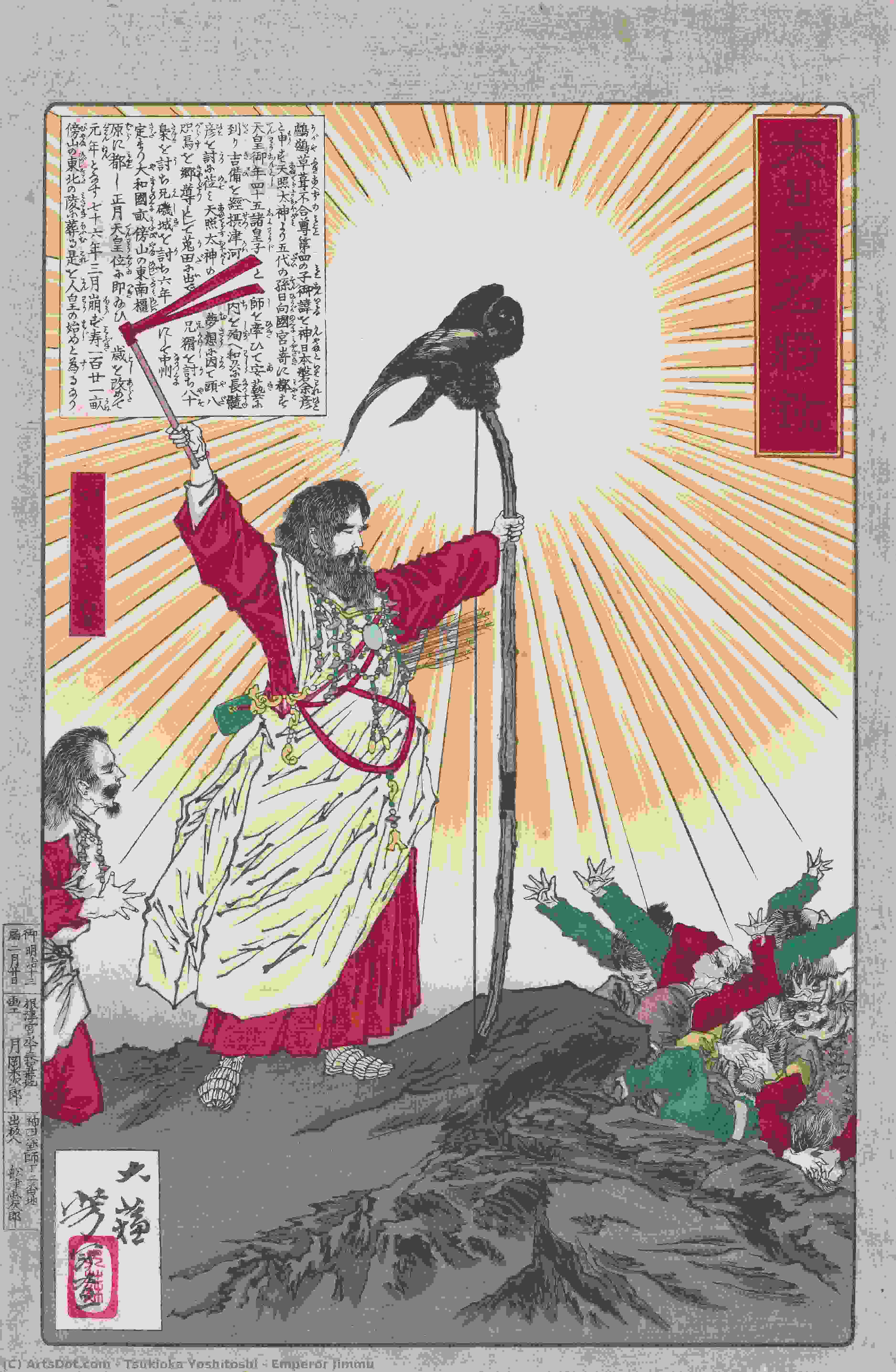
Yoshitoshiho genialita nespočívá pouze ve svém předmětu, ale také v jeho umělecké technice. Mistrně spojoval tradiční japonské estetiku se západními vlivy, absorboval prvky perspektivy a uspořádání z dovážených tisknů a rytin. Tato fúze vytvořila jedinečnou vizuální řeč, která byla zároveň podstatně japonská a ohromující moderní. Když se Japonsko snažilo o modernizaci, nové technologie jako fotografie a litografie ohrožovaly samotné existence *ukiyo-e*. Yoshitoshi si toho byl vědom a reagoval tím, že zdokonalil své umění na bezprecedentní úroveň umělecké dokonalosti. Experimentoval s barevnými paletami, vylepšoval techniky gravírování a překračoval hranice vyprávění příběhů v dřevotiskovém médiu. Jeho série *Musha Burui* (Vojácké tisky) je toho dokladem – každý tisk je dynamickou explozí akce a emocí, zobrazující jeho dovednosti při portrétování hrdinů a dramatických bitev. Rozuměl tomu, že aby přežil, *ukiyo-e* musela vyvinout nový směr, a proto se neúnavně zasvětil zajištění jejího pokračující relevance.
Historický kontext a osobní tragédie
Yoshitoshiho život byl silně ovlivněn politickou a občanskou nestabilitou éry. Vzestup západních mocností v 1850. a 60. letech vedl k hlubokému narušení feudalního Japonska, které bylo pevně zakotveno v Tokugawa šogunaátu (který vykonával moc jménem císaře, ale prakticky vyvíjel absolutní kontrolu nad všemi politickými záležitostmi). Tento konflikt mezi odmítáním západního vlivu a přijímáním západních technologií, spojený s úrodou, ekonomickou recesí a hyperinflací, otřásl Tokugawa šogunaátem až do základů. Tato nestabilita vedla k ozbrojeným střetům mezi Tokugawa šogunaátem a soupežícími aristokraty a samuraji, kteří se snažili nastolit moderní vládu pod rouškou obnovy císařské moci. Tento konflikt skončil v roce 1868 svržení Tokugawa šogunaátu a jeho nahrazením moderní vládou, která vyhlásila Meiji ("Rozsvícená vláda"). John Stevenson ve svém klíčovém díle *Sto aspektů měsíce* poznamenává, že dopad Yoshitoshiho svědectví o krvavé masakr šógúnů vojskami císaře „se promítl do Yoshitoshiho tvorby po mnoho let.“
Krvavé tisky a osobní zkoušky
Mezi roky 1866 a 1868 vytvořil Yoshitoshi řadu děsivých a sadistických návrhů v sérii známé jako Dvacet osm slavných vražd s básní. Tyto tisky, některé zobrazující střípání nebo decapitulaci žen, byly poměrně populární jak v Japonsku, tak na Západě a dobře se prodávaly. Stevenson tvrdí, že „sláva násilí v Yoshitoshiho díle je oprávněná do té míry, že odráží nepokoje v Japonsku v době jeho života.“ V roce 1863 zemřel jeho otec a v roce 1861 umřel Kuniyoshi. Yoshitoshi se musel vyrovnat s osobními tragédiemi, které ovlivnily jeho uměleckou orientaci.
Duchovní dědictví a trvalý vliv
Přestože čelil obrovským výzvám – finančním potížím, osobním zkouškám a úpadku tradičních uměleckých forem – Yoshitoshi zůstal neochablý ve svém závazku k *ukiyo-e*. Neustále pracoval až do své smrti v roce 1892, nechávaje za sebou rozsáhlé dílo, které dodnes vyvolává úžas a obdiv. Ačkoli jeho přímý vliv na pozdější generace japonských umělců je diskutabilní, nelze popřít jeho historickou důležitost. Yoshitoshi stojí jako poslední velký mistr *ukiyo-e*, klíčová postava, která uchovala a obohatila umělecký žánr během období hluboké transformace. Jeho odvaha, vize a neochvějný závazek zajistily, že duch „plovoucího světa“ bude žít pro další generace. Dnes jsou jeho tisky oslavovány v muzeích a sbírkách po celém světě, jakožto trvalé umělecké dědictví.
Poslední záblesk: Yoshitoshiho trvalý dopad
- Zachování tradice: V rychle se modernizujícím Japonsku Yoshitoshi prosazoval tradiční techniky dřevotiskového tisku.
- Umělecká inovace: Mistrně spojoval japonské estetiku se západními vlivy, vytvář


 Zobrazit v interiéru
 Přepnout na tiskové verze
 Odeslat
 Sdílet
 Podrobnosti
 Průvodce

 Stáhnout obrázek
 Podobné kousky
 Rentgenové snímky
 Slideshow
 Statistiky
 Přečíst si více






































 Skleněná varianta je dostupná pouze u rozměrů menších než 110 cm