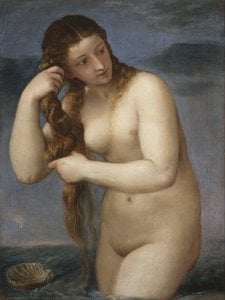
Zrození renesanční ozvěny v Novém světě
Titian Ramsay Peale II, umělec často přehlížený v dějinách amerického umění 19. století, zaujímá jedinečné místo na výsluní. Narodil se ve Philadelphii roku 1799 a vyrůstal v silně umělecké rodině – byl nejmladším synem Charlese Willsona Pealea, klíčové postavy raného amerického portrétního malířství a zakladatele prvního muzea v zemi. Přestože stín otcova odkazu byl značný, Titian si vydobyl vlastní cestu hluboce zakořeněnou v estetických ideálech Vysoké renesance, zejména těch vycházejících z Benátek. Nebyl pouhým napodobovatelem stylů; kanálovat hlubokou uměleckou citlivost a obdařoval svá plátna precizními detaily a živou barevnou paletou, která ho odlišovala od mnoha jeho současníků. Jeho život se odehrával na pozadí rozvíjející se americké identity, ale jeho umělecké srdce zůstalo vázané na klasické mistry, čímž vzniklo poutavé napětí mezi úctou ke starému světu a projevem nového světa.
Od skicáře přírodovědce k malířskému plátnu
Pealeova raná léta byla poznamenána dvojí vášní pro umění a přírodní vědy – kombinací podporovanou mnohostrannými zájmy jeho otce. Účastnil se expedic, zejména Stephena Harrimana Longovy cesty do Skalistých hor v letech 1819–20, kde s rostoucí rafinovaností zaznamenával faunu a flóru. Toto období nešlo jen o zaznamenávání pozorování; šlo o *pochopení* formy, světla a textury – dovednosti, které se ukázaly jako neocenitelné, když se plně věnoval malbě. Jeho práce přírodovědce ovlivnila jeho umění a dodala jeho zobrazením přírodního světa vědeckou přesnost, ale také je obdařila emocionální rezonancí, která překračovala pouhé dokumentování. Neukazoval nám jen to, jak věci vypadaly; odhaloval jejich inherentní krásu a duchovní význam. Toto oddání oběma disciplínám se projevuje v dílech jako „Daň peněz“, dramatické zobrazení s mistrovským světlem a stínem připomínajícím Rubense, a „Nymfa a pastýř“, které spojují přírodu, mytologii a smyslnou krásu.
Benátské vlivy a posvátné vize
Vliv benátského kolorismu – důrazu na bohaté, zářivé barvy a atmosférické efekty prosazované umělci jako Titian (po kterém pojmenoval své jméno) – je v Pealeově díle nepopiratelný. Nekopíroval tyto mistry; internalizoval jejich principy a přizpůsoboval je svému vlastnímu uměleckému vidění. To je zvláště patrné v jeho náboženských pracích, jako jsou „Oltářní svatyně se čtyřmi světci“ a „Klanění pastýřů“. Tyto obrazy nejsou pouhým zobrazením biblických scén; jsou to pohlcující zážitky, které vtahují diváka do světa duchovní kontemplace prostřednictvím pečlivě komponovaných kompozic a mistrovského použití barev k vyvolání emocí. Pečlivá pozornost věnovaná detailům v těchto dílech hovoří nejen o jeho technické zručnosti, ale také o hluboké úctě k předmětu jeho tvorby. „Kráska“, poutavý portrét, dále demonstruje jeho schopnost zachytit lidskou formu a charakter s elegancí a rafinovaností.
Objevování znovu a trvalý význam
Po velkou část 20. století zůstal Titian Ramsay Peale II do značné míry skrytý v art historických narativech. Jeho práce nezapadala hladce do převládajících trendů a jeho oddanost klasickému stylu se zdála anachronistická v rychle se měnící umělecké krajině. V posledních letech však došlo k rostoucímu přehodnocení jeho příspěvků. Odborníci a sběratelé uznávají jedinečnou směs amerických citlivostí a evropských tradic, která charakterizuje jeho obrazy. Znovuobjevení jeho díla není jen o vyplňování mezer v dějinách umění; jde o hlubší pochopení složitých kulturních sil, které formovaly 19. století Ameriku. Peale představuje most mezi světy, svědectví trvalé síly klasických ideálů a připomínku toho, že umělecká inovace často vzniká z nečekaných kombinací vlivů. Jeho obrazy, nyní nalezené ve sbírkách jako WahooArt, Uffizi Gallery a Palazzo Pitti, nabízejí poutavý pohled do zapomenutého koutu americké historie umění – koutu osvětleného zářivým leskem renesance.
- Narození: Philadelphia, 1799
- Úmrtí: 1885
- Hlavní vlivy: Titian, benátští mistři.
- Umělecký směr: Vysoká renesance
Titian Ramsay Peale II byl skutečně umělcem svého času, jehož dílo si zaslouží širší uznání a ocenění.



 Zobrazit v interiéru
 Přepnout na tiskové verze
 Odeslat
 Sdílet
 Podrobnosti
 Průvodce

 Stáhnout obrázek
 Podobné kousky
 Rentgenové snímky
 Slideshow
 Statistiky


 Přečíst si více






































 Skleněná varianta je dostupná pouze u rozměrů menších než 110 cm