Život Titiana Ramsay Pealea II
Titian Ramsay Peale II obsazoval ve americké krajině specifický, funkční prostor, kde se pohyboval na průsečíku vědecké dokumentace a klasického umění. Narodil se 17. listopadu 1799 ve Philosophical Hall ve Philadelphii v Pensylvánii jako nejmladší syn Charlese Willsona Pealea a Elizabeth DePeyser. Jeho život byl definován neochotou usadit se v jedné jediné disciplíně; byl americkým umělcem, přírodovědcem, průzkumníkem i vědeckým ilustratorem, který neustále přecházel mezi precizními nároky terénního výzkumu a strukturovanými požadavky ateliérové malby.
Jeho kariéra nebyla pouhou snahou o estetiku, ale praktickým využitím schopnosti pozorování. Velkohm část svého života věnoval dokumentování fyzického světa, což byla úloha vyžadující od něj být stejně technickým odborníkem jako malířem. Tato dvojí identita mu umožnila pohybovat se v rozmanitých prostředích, od kontrolovaných prostorů muzeí až po nepředvídatelnou krajinu expedic. Zemřel ve Philadelphii v Pensylvánii 13. března 1885 a zanechal po sobě dílo, které kladlo důraz na strukturální realitu svých námětů spíše než na stylistickou abstraktnost.
Raný život, rodina a vzdělání
Abychom skutečně porozuměli postavě, kterou byl Titian Ramsay Peale Ii, musíme se podívat na váhu, kterou nesl rodinné jméno Peale. Narodil se v rámci dynastie, která sloužila jako hlavní motor amerického uměleckého i vědeckého života. Jako syn Charlese Willsona Pealea, klíčové postavy raného amerického portrétního malířství, byl formován prostředím, kde se neodděluje krásné umění od přírodních věd. Jeho dětství nebylo tiché; vyrůstal v obklopení rozsáhlé, úzce propojené rodiny umělců a intelektuálů, mezi které patřili i jeho bratři Raphaelle, Rembrandt, Rubens a Franklin Peale. Jeho rodokmen byl komplexní a zahrnoval i nevlastní sourozence, jako byla Sophonisba Angusciola Peale či Titian Ramsay Peale I, podle kterého byl náš umělec pojmenován.
Vzdělání, které získal, bylo praktické i nesmírně přísné. Nebyl pouze studentem estetiky, ale aktivním účastníkem rodinného podniku zaměřeného na pozorování světa. Jeho sourozenci, včetně Jamese, Anny Claypoole a Margaretty Peale, byli všichni součástí tohoto intenzivního tvůrčího prostředí. Tato rodinná struktura znamenala, že jeho vzdělávání bylo neoddělitelné od práce jeho otce i bratrů. Naučil se vidět skrze čočku portrétisty i skrze oči naturalisty. Toto dvojité vzdělání mu poskytlo technický základ pro kariéru, která v budoucnu dokáže překlenout propast mezi vědeckou dokumentací a klasickým malířstvím.
Vědecké expedice a naturalistická dráha
Pealeova kariéra byla definována neochvějným závazkem k empirickému pozorování, který mnoha jeho současníkovům chyběl. Přírodu nesledoval pouze z bezpečné vzdálenosti; byl aktivním účastníkem klíčových vědeckých průzkumů raného devatenáctého století. Jeho cestování v terénu začalo brzy, například během expedice do Floridy a Georgie v letech 1817–1818 společně s Georgem Ordem, Williamem Maclurem a Thomasem Sayem. Tato raná imerze do divočiny vytvořila vzorec důsledné a precizní dokumentace. Mezi lety 1819 a 1820 pak doprovázel Stephen Harriman Long expedici do Skalistých hor a na Velké pláně. Právě tyto roky strávené v terénu mu poskytly anatomickou a botanickou přesnost, která později posloužila jako pevný základ pro jeho formálnější umělecká díla.
Jeho profesní postavení ve vědecké komunitě bylo potvrzeno volbou do American Philosophical Society v roce 1833. Toto uznání se shodovalo s jeho nejvýznamnějším institucionálním přínosem: rolí v rámci United States Exploring Expedition v letech 1838–1842. Jako hlavní přírodovědec této expedice vystoupil Peale Ramsay Peale Ii nejen jako ilustrátor, ale jako aktivní vědecký vůdce. Schopnost překlenout propast mezi detailními nároky naturalisty a technickou zručností kreslíře z něj učinila nepostradatelný pilíř těchto rozsáhlých námořních i pozemních průzkumů.
I když se jeho pozornost později přesunula k jiným profesním povinnostem, jeho vztah k systematickému zaznamenávání informací zůstal neměnný. Po dlouhá léta udržoval stabilní přítomnost v rámci federální byrokracie, kdy pracoval v United States Patent Office až do roku 1873. Tento dlouhý rezidensní období odráží kariéru postavenou na disciplinovaném uplatňování pozorování, ať už se týkalo vzorku v divočině, nebo technického detailu v úřední kanceláři.
Technika a umělecký styl
Tvůrčí dílo Titiana Ramsay Pealea Ii se pohybuje v napjatém dialogu mezi pozorovatelským okem naturalisty a stylistickými ambicemi benátského kolorismu. Nespokojil se pouhou plochou, utilitární dokumentací, která byla v 19. století pro vědeckou ilustraci typická. Místo toho usiloval o luminózní kvalitu, která by odrážela tradice starého světa. K tomuto cíli dospíval prostřednictvím kontrolovaného použití olejových barev, které nanášel v precizních vrstvách, čímž budoval hloubku jak fyzickou, tak vizuální. Často využíval techniku sfumato k zjemnění obrysů, což mu umožnilo překlenout propast mezi anatomickou přesností a atmosférickou elegancí.
Jeho technický repertoár byl překvapivě široký, což odráželo všestrannost, která mu dovolovala pohybovat se mezi tím mikroskopickým a monumentálním. Ovládal několik médií: od akvarelu a grafitu pro své vědecké pozorování, přes olej na plátně pro náboženská a mytologická témata, až po litografii a inkoust pro své ilustrace. I v pozdějších letech se jako amatér zajímal o tehdy vznikající médium fotografie. Tato technická šíře zaručila, že jeho náměty – ať už šlo o botanický vzorek nebo klasickou figuru – si pod svou estetickou dokonalostí zachovaly pocit strukturální reality.
Klíčová díla a témata
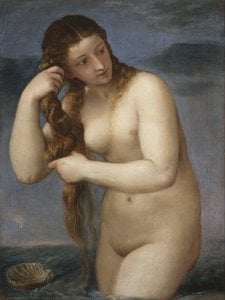
Pealeova tvorba odhaluje fascinující napětí mezi tím biologickým a tím božským. Jeho náboženská témata, jako jsou Svatý Augustin, Svatý Grigoros Veliký a Svatá rodina s pastýřem, vytvořená kolem roku 1510, demonstrují hluboké oddání klasické formě. Tato díla se spoléhají na strukturalní jasnost spíše než na pouhý sentiment. Podobnou pečlivost však věnoval i svým mytologickým motivům, zejména postavě Venuše Anadyomene, kterou vytvořil kolem roku 1520. Preciznost jeho pozorování je patrná v tom, jak mistrně pracuje s draperiemi a anatomickou přítomností těchto postav. V průběhu celé své kariéry si pak udržel tento soustředěný pohled na náboženskou ikonografii, což dokazují i jeho neoznačená díla zobrazující Svatého Marka a Svatého Matouše.
Naturalista v Pealeovi nebyl nikdy jen vedlejším zájmem; byl to jeho primární způsob vidění světa. Jeho schopnost plynule přecházet od teologického k ornitologickému je zobrazena v díle Five Bobwhites at the Delaware Water Gap, namalovaném kolem roku 1868. Toto dílo vyžaduje stejnou technickou preciznost jako jeho velká plátna, ale aplikuje ji na specifické textury divoké zvěře. I jeho sociální nebo pozorovatelské scény, jako je dílo Entertaining the Favorites z roku 1830, odrážejí kontrolovanou aplikaci pigmentu, která se vyhýbá povrchnosti. Titian Ramsay Peale Ii nemaloval pro pouhou dekoraci; on maloval, aby zdokumentoval skutečnou váhu a podstatu svého tématu.
- Svatý Mark, bez data
- Svatý Matouš, bez data
Kde dnes spatřit jeho díla
Přítomnost, kterou Titian Ramsay Peale Ii zanechal v nejvýznamnějších mezinárodních sbírkách, potvrzuje, že jeho umění překročilo hranice americké pustiny a zasáhlo mnohem širší světy. Jeho náboženská a mytologická témata jsou rozprostřena mezi nejvýznamnější instituce Evropy. V Londýně uchovává jeho tvorbu National Gallery, zatímco Museo del Prado v Madridu a Museo di Capodimonte v Neapoli disponují významnými sbírkami jeho děl. Tyto sbírky jsou jasným důkazem, že jeho technický přístup k práci se světlem a formou rezonoval s tehdejšími evropskými standardy umění.
Dosah jeho díla se sahá až do střední a jižní Evropy. V Rakousku jej zastihne Kunsthistorisches Museum ve Vídni a ve Benátkách pak Santa Maria della Salute. V Nizozemsku si jeho odkaz chrání Mauritshuis v Haagu, spolu se Scottish National Gallery of Modern Art v Edinburghu, která pohospodářuje jeho dílo Venus Anadyomene. Právě tyto lokace poskytují nezbytný kontext k tomu, abychom pochopili, jak mistrsky dokázal aplikovat benátský kolorismus na klasická témata.
Mezi jeho významná díla patří:
- Entertaining the Favorites (1830)
- Five Bobwhites at the Delaware Water Gap (1868)
- The Holy Family with a Shepherd (cca 1510)


 Náhled v interiéru
 Sdílet
 Sdílet
 Podrobnosti o díle
 Průvodce

 Stáhnout
 Podobné položky
 Rentgenové snímky
 Slideshow
 Otázky a odpovědi
 Statistiky


 Zobrazit více
 Přepnout na tisk





































 Skleněná varianta je dostupná pouze u rozměrů menších než 110 cm