


 Oil On CanvasWallArtBaroque
 1508
1508 39.0 x 53.0 cm
 Accademia Carrara
Giclée nebo plátěný tisk muzeální kvality s rychlou výrobou a flexibilními možnostmi povrchové úpravy. ( Koupit ručně malovaný obraz Koupit obrázek)





























Vyberte si z našich přednastavených velikostí, které odpovídají původním proporcím díla.

Můžete zadat vlastní rozměry tak, aby výtvor odpovídal konkrétnímu rámu nebo prostoru. Pokud zvolená velikost nebude odpovídat poměru stran původního obrazu, dílo buď ořížeme, nebo obraz rozšíříme pomocí zrcadlového efektu či jednobarevného okraje. Před zahájením výroby vám bude zaslán digitální náhled k schválení.
Mějte prosím na paměti, že náhled na obrazovce neodráží skutečné oříznutí nebo rozšíření. Pouze digitální náhled přesně zobrazí finální kompozici.
Ačkoliv jsou k dispozici i vlastní rozměry, pro zachování původních proporcí doporučujeme vybrat si rozměr z předdefinovaného seznamu.
Celosvětové doručení () do 2 týdnů namísto standardních 4/5 týdnů. (6 září)


Orpheus and Eurydice
Rozměry reprodukce
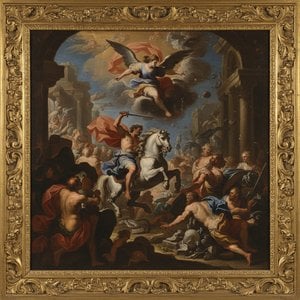
Titian’s “Orpheus and Eurydice,” painted in 1508, isn't merely a depiction of a Greek myth; it’s a profound meditation on love, loss, and the agonizing beauty of unattainable desire. Within the confines of its relatively modest dimensions – measuring just 39 x 53 centimeters – resides a world brimming with dramatic tension and an almost unbearable sense of sorrow. The painting immediately commands attention not through bombastic scale, but through the sheer emotional weight it carries, a testament to Titian’s mastery in conveying complex human experience.
The scene unfolds within a meticulously rendered landscape, a carefully constructed stage for this tragic drama. It's a Venetian vista—rolling hills punctuated by distant cityscapes and dense foliage—but one imbued with an unsettling atmosphere. The architecture, subtly reminiscent of theatrical sets, isn’t simply decorative; it actively participates in the narrative, suggesting the artificiality of the situation and the distance between Orpheus’s world and the realm of the dead. The darkening sky, a bruised purple-grey, foreshadows the inevitable doom that awaits Eurydice, while the softer luminescence along the horizon hints at the precarious transition between life and death – a visual metaphor for the fragile boundary between hope and despair.
This early work showcases the nascent brilliance of Titian’s style, firmly establishing him as a leading figure in the Venetian Renaissance. It's a pivotal piece in his artistic development, demonstrating his burgeoning interest in realistic depiction and his remarkable ability to evoke intense emotions through color and composition. The painting is characterized by its rich, layered application of oil paint—a hallmark of Titian’s technique—creating a surface that seems to shimmer with an almost tactile quality. He employs *glazes*, thin layers of translucent paint applied over dried underlayers, building up depth and luminosity with astonishing subtlety. This layering creates a remarkable sense of atmosphere and contributes significantly to the painting's emotional resonance.
Titian’s use of color is particularly striking. He eschews the stark contrasts often associated with earlier Renaissance painters, opting instead for a more nuanced palette—a symphony of earthy tones punctuated by flashes of vibrant blues and greens. The warm ochres and browns dominate the landscape, grounding the scene in a sense of earthly reality, while the cooler hues of the distant city create a visual counterpoint to the fiery drama unfolding in the foreground. The figure of Eurydice is rendered with a delicate pallor, emphasizing her vulnerability and highlighting the stark contrast between life and death.
Beyond its narrative power, “Orpheus and Eurydice” is rich in symbolic meaning. The snake biting Eurydice represents not just mortality but also the inescapable nature of loss—a wound that can never truly heal. Orpheus’s desperate reaching towards his wife embodies the universal human longing for connection and the agonizing pain of separation. The theatrical setting, with its stage-like composition, suggests the performative quality of grief – a public display of sorrow in the face of an unbearable tragedy. The very act of looking back, a seemingly simple gesture, becomes a symbol of fatal hubris, illustrating how even the most ardent desire can lead to irreversible destruction.
The inclusion of the shepherd and young woman in the foreground adds another layer of complexity to the scene. They represent the world that Orpheus has left behind—a world of earthly pleasures and distractions—and serve as a poignant reminder of what he has lost. Their presence underscores the irreversible nature of Eurydice’s fate, emphasizing the impossibility of reclaiming what is irrevocably gone.
“Orpheus and Eurydice” remains one of Titian's most celebrated works, admired for its emotional intensity, technical brilliance, and enduring power. It’s a painting that continues to resonate with viewers centuries after it was created, prompting reflection on the nature of love, loss, and the human condition. High-quality reproductions capture only a fraction of the original’s luminous depth and emotive force, but they offer a valuable opportunity to experience this masterpiece firsthand – a poignant reminder of a timeless lament etched in paint.


1490 - 1576 , Itálie

Embark on a sophisticated journey through the eternal allure of mythological art. Discover how master painters breathe life into ancient legends, from Greek deities to Baroque masterpieces, and learn to curate these timeless narratives within your own exquisite art collection.

Explore the luminous mastery of Titian. Discover how the Venetian master revolutionized color and light through breathtaking Renaissance techniques, from Venus Anadyomene to profound allegories, and learn to bring this timeless brilliance into your private collection.

Embark on a journey through the Venetian Renaissance. Discover how masters like Giorgione and Titian revolutionized art through luminous color and light. Explore the profound legacy of the Venetian School and its enduring influence on the world of fine art.
Explore the breathtaking power of Baroque art. Delve into the dramatic interplay of light, shadow, and motion through the works of masters like Caravaggio. Discover how the era's intense emotional realism continues to inspire collectors and connoisseurs of classical grandeur.

Explore the profound elegance of Baroque Classicism. Discover how masters fused dramatic chiaroscuro with structured order to redefine art history through light, shadow, and emotional grandeur.

 Náhled
 Sdílet
 Sdílet
 Podrobnosti o díle

 Stáhnout
 Podobné položky
 Rentgenové snímky
 Slideshow
 Zobrazit více







 Skleněná varianta je dostupná pouze u rozměrů menších než 110 cm


