
BEZPLATNÉ UMĚLECKÉ PORADENSTVÍ


x
 Objednat reprodukci Koupit digitální obrázek
 Sdílet
 Podrobnosti
 Přidat do oblíbených
 Stáhnout
 Podobné položky
 Rentgenové snímky
 Slideshow
Giclée nebo plátěný tisk muzeální kvality s rychlou výrobou a flexibilními možnostmi povrchové úpravy.





























Vyberte si z našich přednastavených velikostí, které odpovídají původním proporcím díla.

Můžete zadat vlastní rozměry tak, aby výtvor odpovídal konkrétnímu rámu nebo prostoru. Pokud zvolená velikost nebude odpovídat poměru stran původního obrazu, dílo buď ořížeme, nebo obraz rozšíříme pomocí zrcadlového efektu či jednobarevného okraje. Před zahájením výroby vám bude zaslán digitální náhled k schválení.
Mějte prosím na paměti, že náhled na obrazovce neodráží skutečné oříznutí nebo rozšíření. Pouze digitální náhled přesně zobrazí finální kompozici.
Ačkoliv jsou k dispozici i vlastní rozměry, pro zachování původních proporcí doporučujeme vybrat si rozměr z předdefinovaného seznamu.
Celosvětové doručení () do 2 týdnů namísto standardních 4/5 týdnů. (2 červenec)


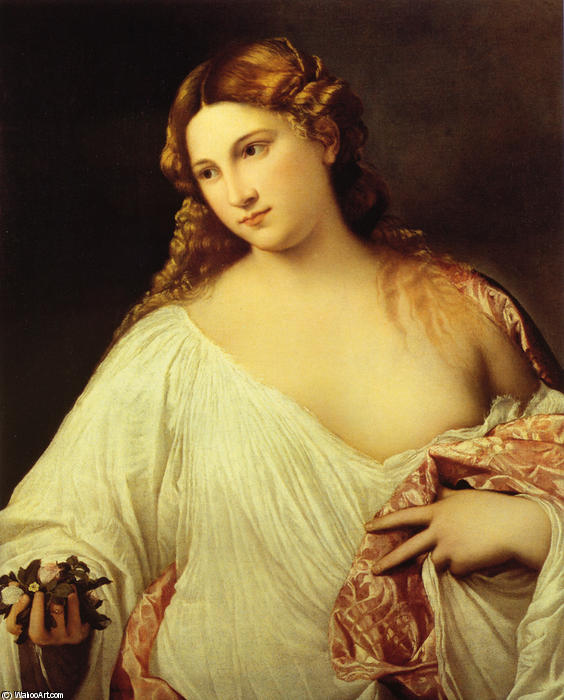
Flora
Rozměry reprodukce
Titian’s "Flora," painted in 1515, isn't merely a portrait; it’s an immersion into the heart of Renaissance Venice and a profound meditation on beauty, fertility, and the very essence of springtime. Housed within the hallowed halls of the Galleria degli Uffizi, this oil-on-canvas masterpiece continues to captivate viewers with its luminous colors, masterful composition, and the palpable sense of life emanating from the painted surface. Titian, already a rising star in Venetian art circles, used this work to establish his signature style – a bold departure from the cooler palettes favored by his predecessors, embracing instead a vibrant, almost intoxicating use of color that would define his legacy.
The subject herself is an embodiment of youthful allure. The woman, identified as Flora, the Roman goddess of flowers and spring, is depicted in a pose of serene contemplation. Her long, flowing hair cascades around her shoulders, framing a face of exquisite delicacy – high cheekbones, full lips, and eyes that seem to hold both wisdom and innocence. She wears a simple yet elegant white gown, its folds suggesting movement and grace, while holding a bouquet of flowers—a direct reference to her mythological namesake. The subtle blush on her skin hints at the burgeoning life of spring, mirroring the abundance represented by the blossoms in her hand.
Titian's genius lay not just in his subject matter but also in his revolutionary approach to oil painting. “Flora” exemplifies this perfectly. He employed a technique known as *sfumato*, blurring the lines between form and shadow, creating an ethereal quality that softens the edges of the figure and lends her face a dreamlike appearance. Notice how he builds up layers of color—thin glazes over thicker underpaintings—to achieve incredible depth and luminosity. The pink cloth in the background isn’t just a decorative element; it's strategically placed to reflect light and further enhance the painting’s overall radiance, drawing the eye towards the central figure.
The color palette itself is remarkably rich and complex. Titian masterfully blends warm reds and oranges with cool blues and greens, creating a harmonious yet dynamic visual experience. He doesn't shy away from bold contrasts, using vibrant hues to emphasize key features of the portrait – the luminosity of her skin, the delicate petals of the flowers, and the subtle shimmer in her eyes. This masterful manipulation of color is what truly elevates “Flora” beyond a simple likeness; it transforms it into an evocative representation of beauty itself.
Painted during a period of immense artistic innovation in Venice, "Flora" reflects the city’s flourishing trade and its embrace of classical ideals. The Renaissance was rediscovering the art and mythology of ancient Rome, and Titian skillfully incorporates these elements into his work. Flora, as the goddess of spring, symbolizes rebirth, fertility, and renewal – themes that resonated deeply with Venetian society at the time. The painting can be viewed as a celebration of the cyclical nature of life, mirroring the blossoming of springtime in both the natural world and the artistic realm.
Furthermore, Titian’s choice to depict Flora within a relatively intimate setting—a simple interior space—contrasts with the grand historical portraits that were popular at the time. This shift towards portraiture as a means of capturing individual character and beauty was a defining characteristic of the Venetian Renaissance, and “Flora” stands as a prime example of this trend. It’s a testament to Titian's ability to capture not just outward appearance but also an inner sense of grace and serenity.
The enduring appeal of "Flora" lies in its timeless beauty and the sheer artistry of its execution. WahooArt offers meticulously crafted, hand-painted reproductions that faithfully capture the essence of this iconic painting, allowing you to bring Titian’s vision into your own space. Our reproductions utilize traditional techniques and archival-quality materials, ensuring a lasting piece of art that will be treasured for generations to come. Explore our selection at here to discover the perfect way to experience the magic of “Flora” firsthand.


1490 - 1576 , Itálie

Explore the enigmatic world of Giorgione, a pivotal figure in the Venetian Renaissance. Discover his innovative techniques, iconic paintings like 'The Tempest', and lasting influence on art history. Learn more at WahooArt.

Explore the revolutionary techniques & enduring legacy of Titian, the master of Venetian Renaissance portraiture. Discover insights for collectors & appreciate his impact on art history.

Discover the captivating world of customized classical paintings! Explore how memes sparked a renaissance & learn to commission your own personalized portrait. Expert art consultation & museum-quality reproductions at WahooArt.

Explore the captivating world of Lorenzo Lotto, a Venetian Renaissance master renowned for his psychologically insightful portraits & enigmatic symbolism. Discover his life, style, and rediscovered legacy with WahooArt.

Transform your cherished photos into timeless oil paintings with WahooArt's expert artists. Museum-quality reproductions & custom portraits, crafted to last a lifetime. Discover the art of personal legacy.


Buďte na tahu s nejnovějšími novinkami ze světa umění, exkluzivními nabídkami a inspirativními nápady na dekoraci.
Sdělte nám více o svém projektu a naši odborníci na umění vám připraví 3 personalizované návrhy uměleckých děl.
Nechť pro vás vybereme 3 možnosti – zdarma!

 Sdílet


 Zobrazit více







 Skleněná varianta je dostupná pouze u rozměrů menších než 110 cm


