Giclée nebo plátěný tisk muzeální kvality s rychlou výrobou a širokou nabídkou povrchových úprav. ( Koupit ručně malovaný obraz Přepnout na digitální obraz)





























Vyberte si z našich přednastavených velikostí, které odpovídají původním proporcím díla.

Zadejte šířku a výšku, které potřebujete pro váš rám nebo stěnu. Tisk lze pouze oříznout, nikdy však nelze zvětšit obraz nad jeho původní rozměr, proto při výběru jiného formátu dochází ke ztrátě části obrazu. Před samotným tiskem vám zašleme digitální náhled k schválení. Obraz zobrazený na této stránce nenabízí skutečný výřez — ten uvidíte pouze v náhledu.
Celosvětové doručení () do 2 týdnů namísto standardních 4/5 týdnů. (10 listopad)
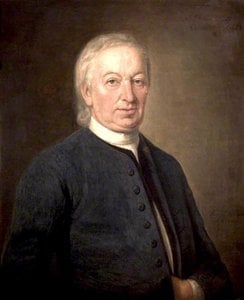
Captain Peter Marriette, Ship's Captain
Rozměry reprodukce
In the quiet dignity of Tilly Kettle’s 1769 masterpiece, Captain Peter Marriette, Ship's Captain, we encounter more than just a likeness; we step into the very heart of Enlightenment-era Britain. This striking oil painting serves as a profound window into an age defined by maritime expansion and the burgeoning influence of the East India Company. Through Kettle’s masterful hand, the subject is not merely recorded but elevated, embodying the steadfastness and social ambition that characterized the era. As the viewer engages with the portrait, there is an immediate sense of meeting a man of consequence—a figure whose very presence commands respect through a composed, thoughtful stillness.
The composition is a triumph of Neoclassical restraint. Eschewing the flamboyant distractions of the preceding Rococo period, Kettle employs a focused, one-point perspective that directs all attention toward Marriette’s countenance. Seated in profile against a muted, unobtrusive backdrop, the Captain becomes the singular protagonist of his own story. The artist utilizes the vertical space of the canvas to emphasize the subject's stature, ensuring that the viewer's gaze is drawn upward to the subtle nuances of his expression. It is a deliberate arrangement designed to foster a sense of solemn contemplation, inviting us to wonder about the many voyages and heavy responsibilities etched into the lines of his face.
Technically, the painting is a testament to the precision of 18th-century oil portraiture. Kettle’s brushwork is remarkably smooth, creating a polished surface that allows light to dance across the textures of the subject's attire. There is a palpable sense of volume in the rendering of Marriette’s clothing; the heavy fabric of his coat feels substantial, almost tactile, thanks to the meticulous application of shadow and highlight. This realism extends to the delicate textures of his hair and the fine details of his skin, where the artist captures the grace of aging with profound sensitivity.
The color palette is deeply symbolic, woven with a narrative of status and duty. The dominance of deep blues evokes the vastness of the oceans Marriette navigated, suggesting maritime authority, reliability, and a steadfast spirit. These cool tones are balanced by crisp whites, which lend an air of nobility and purity to the composition. To complete this visual language of prestige, Kettle incorporates subtle accents of gold trim along the Captain's coat. This glint of precious metal serves as a quiet but powerful reminder of his elevated social standing and the wealth brought by the era's global trade. For the discerning collector or interior designer, these colors offer a sophisticated palette that brings a sense of historical weight and classical elegance to any curated space.
Beyond its historical significance, Captain Peter Marriette possesses an emotional resonance that transcends the centuries. It is a piece that speaks of legacy, duty, and the quiet strength found in leadership. The soft, diffused lighting creates an atmosphere of intimacy, making the encounter with the subject feel personal rather than distant. This artwork does not merely decorate a room; it anchors it, providing a focal point of intellectual and aesthetic depth.
For those seeking to incorporate a piece of British art history into their homes or galleries, a high-quality reproduction of this work offers an unparalleled opportunity. It brings the spirit of the 1760s—an era of discovery and refined order—into a contemporary setting. Whether placed in a study, a formal dining room, or a sophisticated lounge, Kettle’s portrait serves as a timeless conversation piece, inspiring admiration for the craftsmanship of the past and the enduring allure of the Neoclassical tradition.
Podobná díla k "Captain Peter Marriette, Ship's Captain" naleznete na stránce Podobná díla tohoto díla.
Dílo „Captain Peter Marriette, Ship's Captain“ od Tilly Kettle má luminanci na úrovni Soft Shadow. Luminance popisuje, jak velkou míru světla barvy odrážejí.
Ručně malované kopie díla „Captain Peter Marriette, Ship's Captain“ od Tilly Kettle jsou k zakoupení na webu tato webová stránka: ručně malovaná olejová reprodukce na lněném plátně, a to prostřednictvím jeho stránky Ručně malovaná reprodukce.

Tilly Kettle (1735–1786) představuje singularní postavu v dějinách britského umění – byl to první významný anglický portrétní malíř, kterému se podařilo úspěšně ugruntovat své jméno v pulzujícím kulturním prostředí Indie během vrcholu nadvlády Britské východoindické společnosti. Narodil se v Londýně jako syn lakýrníka kočárů z rodiny, která byla po pět desetiletí hluboce zakořeněna v pivovarské tradici. Kettleho umělecká cesta začala základním výcvikem u Williama Shipleyho v oblasti Strand. Toto rané učňovství ho umístilo do rostoucího uměleckého prostředí, které toužilo objevovat nové obzory daleko za tradičními hranicí anglického venkova.
Jeho profesionální vstup do světa portrétní malby začal v 50. letech 18. století, kdy si rychle získal uznání díky schopnosti zachytit podobu s neuvěřitelnou přesností a citlivostí. Kettleovy rané plátna – především autoportréty z roku 1760 – okamžitě naznačila jeho ambice a ugruntovala jeho postavení rostoucího talentu v Society of Artists, založené v roce 1761. Tato první výstava posílila jeho pozici mezi spolupracovníky usilujícími o uznání a pohnula ho směrem k větším zakázkám. Jeho ranou kariéru vyznačovala vytříbená schopnost dokumentovat důstojnost a status svých subjektů, což se projevilo zejména při jeho práci s členy rodiny Dartmouth.
Mimo hranice Anglie je Kettleovo odkaz definován jeho extraordinární expedicí v roce 1768. Cestoval v doprovodu Britské východoindické společnosti a přistál v Madrasu, což byla zkušenost, která hluboce proměnila jeho uměleckou vizi i motivy. Toto období mu umožnilo propojit dva světy a spojit evropské neklasické techniky s exotismem a velkolepostí indického subkontinentu. Jeho dílo z této éry slouží jako cenný historický záznam, který zachycuje složité průsečíky britské koloniální přítomnosti a místního indického života.
Kettleova technika byla charakteristická pozoruhodným realismem a schopností vykreslit jak textury bohatých látek, tak jemné nuance lidských emocí. Jeho repertoár pokrývá širokou škálu témat, od aristokratické elegance georgovské Anglie až po postavy vyjadřující vliv Východoindické společnosti v Indii. Mezi jeho nejvýznamnější příspěvky do světa umění patří:
Skrze tato díla Kettle dělal víc než jen prosté zaznamenávání tváří; zachytil samotnou podstatu éry definované expanzí, obchodem a setkáváním odlišných kultur. Jeho schopnost přizpůsobit svůj styl jak formálním požadavkům britské portrétní malby, tak živému a často přemáhajícímu smyslovému světu Indie, zajišťuje jeho trvalé místo v kronikách dějin umění.

1735 - 1786 , Spojené království

Explore the refined world of Neoclassical portraiture. Discover the mastery of line, light, and order through an expert exploration of academic art history, from Jacques-Louis David to Jean-Antoine Houdon. Immerse yourself in the timeless elegance of classical realism.

Explore the profound elegance of Neoclassical art. Discover the principles of order, symmetry, and virtue through the works of masters like David and Mengs. Immerse yourself in a journey of classical grace and timeless aesthetic perfection.
 Náhled v interiéru
 Sdílet
 Sdílet
 Podrobnosti o díle
 Průvodce

 Stáhnout
 Podobné položky
 Rentgenové snímky
 Slideshow
 Otázky a odpovědi
 Statistiky


 Zobrazit více









 Skleněná varianta je dostupná pouze u rozměrů menších než 110 cm