Náhled v interiéru Náhled v AR Přepnout na tisk Koupit ručně malovaný obraz Sdílet
Podrobnosti o díle Průvodce Přidat do oblíbených Stáhnout Podobné položky Rentgenové snímky Slideshow Q&A Statistiky

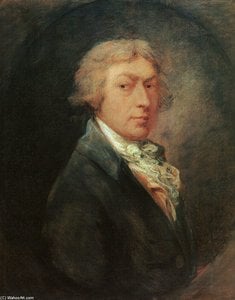
Self-Portrait 1

Discover Thomas Gainsborough’s "Self-Portrait 1," a captivating 18th-century portrait showcasing his signature style & masterful technique. Explore this iconic artwork.

Thomas Gainsborough (1727-1788): Britský malíř portrétů & krajinářů, zakladatel Royal Academy. Jeho díla zachycují krásu Anglie a lidské povahy s lehkostí a emocemi.

Získejte soubor připravený k tisku, který svou kvalitou výrazně převyšuje webový náhled. Každý prodávaný digitální obraz pochází z vysokorozlišeného originálu v naší databázi – obvykle o šířce 5 000 až 15 000 pixelů – díky čemuž můžete tisknout ve velkém formátu, provádět těsný střih nebo si s jistotou užít i ty nejjemnější detaily.

Žádný soubor neopustí naše studio bez úprav. Digitální expert kontroluje barvy v porovnání s původním malířským dílem a v případě potřeby je upravuje, poté pomocí profesionálních nástrojů pro retuš zvyšuje ostrost a detailnost — přičemž vždy zůstává věrný tahům štětcem a stylu umělce. Výsledkem je obraz, který vypadá jako malba, nikoliv jako naskenovaný snímek s filtrem.

Schvalování před dokončením: náš expert vám do 72 hodin zašle obraz e-mailem k revizi. Nejsste spokojeni? Můžete požádat o úpravy či opravy, nebo si můžete vyžádat vrácení peněz, pokud kvalita neodpovídá vašim očekáváním.

Tuto kvalitu využívají vydavatelství, designová studia, galerie i tiskárny.

Digitální obrazy

Stáhněte si soubor ve vysokém rozlišení pro osobní prohlížení, tisk nebo kreativní projekty. ( Přepnout na tisk Koupit ručně malovaný obraz)

Celková cena

Kč 536,49

Součást každé objednávky digitálního obrazu

Profesionální digitální doručení, zaručené

Když si vyberete WahooArt.com, nezískáváte pouze obrázek – získáváte digitální umělecké dílo s profesionálně vylepšenými detaily, zpracované s precizností a podpořené zárukou za spokojenost. Zde je vše, co vaše objednávka automaticky obsahuje:

Rychlé doručení e-mailem

Váš digitální obraz ve vysokém rozlišení vám bude zaslán e-mailem do 72 hodin od objednávky – připraven k okamžitému použití.

Digitální soubor s využitím AI

Vaše umělecké dílo je profesionálně optimalizováno pomocí pokročilých nástrojů umělé inteligence a manuální úpravy, což zajišťuje maximální úroveň detailu, ostrosti a přesnosti barev.

Doživotní bezplatné znovuodeslání digitálních obrazů

Soubor jste omylem smazali nebo ztratili? Žádný problém – kdykoliv vám ho znovu zašleme zcela zdarma.

Bez poplatků za dovoz – navždy

Užijte si své umělecké dílo okamžitě bez celních poplatků, daní nebo nákladů na dopravu – digitální stažení je vždy bez daňových povinností.

Záruka přesnosti barev

Díky profesionálním nástrojům a správě barev zajišťujeme, aby váš digitální obraz odrážel původní barvy co nejvěrněji.

100dená záruka spokojenosti

Pokud nebudete s digitálním obrázkem spokojeni, provedeme jeho revizi nebo vám vrátíme 100% platby do 100 dnů – bez jakýchkoliv dotazů.

100% záruka vrácení peněz

Nespokojeni? Získejte plnou náhradu peněz do 100 dnů od obdržení digitálního souboru – bez zbytečných dotazů.

Slevy při hromadných objednávkách

Koupě 3 obrazů ušetří 10% – Koupě 5 obrazů ušetří 15% – Koupě 10+ obrazů ušetří 20%. Ideální pro kreativní projekty, galerie a agentury.

Rychlé informace

  • movement: Rococo
  • notable_elements: Suit, mustache, trees in background
  • artist: Thomas Gainsborough
  • title: Self-Portrait 1

Artový kvíz

U každé otázky je pouze jedna správná odpověď.

Otázka 1:
Thomas Gainsborough is primarily known for his contributions to which artistic fields?
Otázka 2:
What detail in the 'Self-Portrait 1' suggests the subject's social standing?
Otázka 3:
Gainsborough was a founding member of which prestigious British art institution?
Otázka 4:
Which artist significantly influenced Gainsborough's early style?

A Glimpse into Georgian Society: Thomas Gainsborough’s “Self-Portrait 1”

This striking self-portrait by Thomas Gainsborough, painted sometime during his prolific career, offers a fascinating window into the world of 18th-century British artistry and social standing. The subject, undoubtedly Gainsborough himself, is depicted as a man of refinement and quiet confidence. He’s formally attired in a suit – complete with a crisp white shirt, black tie, and well-tailored jacket – suggesting a gentleman comfortable within the upper echelons of society. His mustache adds to this air of distinguished maturity. The direct gaze towards the viewer establishes an immediate connection, inviting us into his world.

Masterful Technique & Artistic Style

Gainsborough’s signature style is beautifully evident in this work. He was renowned for his loose brushwork and a delicate handling of light – qualities that set him apart from many of his contemporaries. While the exact technique used here requires further examination (size and medium are currently unknown), it's likely characterized by fluid strokes, creating a sense of movement and life within the composition. This contrasts with the more rigid styles prevalent earlier in the century. The inclusion of trees in the background isn’t merely decorative; it demonstrates Gainsborough’s deep connection to landscape painting – a passion he often lamented being unable to fully pursue due to the demands of portraiture. He sought to blend the elegance of portraiture with the naturalism of landscape, and this self-portrait hints at that ambition.

Historical Context & Gainsborough’s Legacy

Born in 1727, Thomas Gainsborough rose to prominence during a period of significant artistic change in Britain. He was a key figure alongside Sir Joshua Reynolds, shaping the direction of British art and ultimately co-founding the Royal Academy. This self-portrait likely dates from a time when Gainsborough was establishing his reputation, perhaps during his successful years in Bath (1759-1774). It reflects the growing prosperity and sophistication of the Georgian era, where portraiture became increasingly important as a means of displaying social status and personal identity.
  • Gainsborough’s influence extended to later generations of artists, most notably J.M.W. Turner and John Constable.
  • His work embodies the Rococo aesthetic – characterized by elegance, grace, and a playful use of light and color.

Emotional Resonance & Interior Design Considerations

Beyond its historical significance, this self-portrait possesses a quiet emotional depth. The subject’s expression is thoughtful, perhaps even slightly melancholic, hinting at the complexities beneath his composed exterior. This introspective quality makes it a compelling piece for contemplation. In an interior design context, a reproduction of “Self-Portrait 1” would lend an air of sophistication and historical gravitas to any space. Its muted color palette complements both traditional and contemporary settings, while its intimate scale makes it suitable for studies, libraries, or drawing rooms. The painting’s timeless appeal lies in its ability to connect us with a bygone era, offering a glimpse into the life and mind of one of Britain's greatest artists.

Otázky a odpovědi

Jaké barvy dominují dílu „Self-Portrait 1“ od Thomas Gainsborough?

Dílo „Self-Portrait 1“ od Thomas Gainsborough využívá paletu Earthy, přičemž hlavní barvou je Khaki (#e8da80).

Jsou barvy díla „Self-Portrait 1“ od Thomas Gainsborough živé, nebo tlumené?

Barvy díla „Self-Portrait 1“ od Thomas Gainsborough vykazují Subtle Color saturaci s Balanced intenzitou.

Využívá „Self-Portrait 1“ od Thomas Gainsborough výrazné kontrasty, nebo jemné harmonie?

Barevná kompozice díla „Self-Portrait 1“ od Thomas Gainsborough spojuje Balanced kontrast s Discordant Palette harmonií.


Biografie umělce

A Suffolk Beginning: The Early Life and Artistic Awakening

The story of Thomas Gainsborough, one of Britain’s most celebrated artists, unfolds not within the confines of a grand academy or bustling metropolis, but in the tranquil market town of Sudbury, Suffolk. Born in 1727, the youngest son of John Gainsborough, a weaver and wool merchant, young Thomas displayed an innate artistic sensibility from a remarkably early age. While his siblings pursued more conventional paths, Thomas’s world rapidly became consumed by drawing and painting – miniature self-portraits and delicate landscapes blossoming from his hand even before he reached ten years old. This precocious talent wasn't merely a childhood pastime; it was the burgeoning of a vision that would reshape British art. His father, recognizing this unique gift, encouraged its development, setting young Thomas on a path diverging sharply from the family trade. The Suffolk countryside itself became his first studio, imbuing his later works with a deep and abiding love for the natural world – a characteristic that would distinguish him throughout his career. This early immersion in landscape wasn’t simply about replicating what he saw; it was about *feeling* the essence of the English countryside, an emotional resonance that would permeate his canvases for decades to come.

London and the Shaping of a Style: Influences and Early Commissions

In 1740, at the age of thirteen, Gainsborough journeyed to London, embarking on formal artistic training under Hubert Gravelot, a French engraver renowned for his elegant rococo style. This exposure proved pivotal, introducing him to refined techniques and fashionable aesthetics. However, it was his association with William Hogarth and the St Martin’s Lane Academy that truly began to mold his artistic identity. Initially influenced by Hogarth's narrative approach – his satirical depictions of London life – Gainsborough soon charted his own course, developing a distinctive style characterized by its lightness of touch, fluid brushwork, and subtle color palettes. He absorbed lessons from various masters, including the Dutch landscape painters whose influence on his early works is evident in their atmospheric perspective and use of light. Returning to Sudbury after marrying Margaret Burr in 1746, Gainsborough established himself as a portrait painter for the local gentry. This period honed his skills in capturing likenesses and character, but it was during his subsequent move to Ipswich, and later Bath, that he began attracting a more sophisticated clientele – individuals who appreciated not just accurate representation, but also artistic flair and emotional depth.

Bath and Beyond: Portraiture, Landscape, and Royal Patronage

The years spent in Bath (1759-1774) marked a significant turning point in Gainsborough’s career. The city was a hub of fashionable society, providing him with ample opportunities to paint portraits of the wealthy and influential. He quickly gained renown for his ability to capture not only physical resemblance but also the personality and social standing of his sitters. His portraits weren't merely depictions; they were statements about identity and status. He experimented with new techniques, incorporating elements of chiaroscuro – dramatic contrasts between light and dark – to create a sense of depth and drama. However, even amidst the demands of portraiture, Gainsborough never abandoned his passion for landscape painting. In fact, he often seamlessly integrated landscapes into his portraits, creating compositions that celebrated both human subjects and the beauty of the natural world. This innovative approach – a hallmark of his style – set him apart from many of his contemporaries. The culmination of his success came with his move to London in 1774, where he established a studio on Pall Mall and became a founding member of the Royal Academy. He also secured royal patronage, becoming a favorite painter of King George III and Queen Charlotte, further solidifying his position as one of Britain’s leading artists. *Mrs. Thomas Gainsborough*, painted in 1785, exemplifies this period – an elegant portrait showcasing rococo style and muted tones.

A Legacy of Innovation: Enduring Appeal and Influence

Thomas Gainsborough died in 1788, leaving behind a body of work that continues to captivate audiences today. His influence on subsequent generations of British artists is undeniable. He liberated portraiture from rigid formality, infusing it with spontaneity and emotional resonance. His loose brushwork and atmospheric effects paved the way for the Impressionists, while his lyrical landscapes inspired artists like John Constable, who deeply admired Gainsborough’s ability to capture the spirit of the English countryside. Gainsborough's legacy extends beyond technique; it lies in his profound understanding of human character and his unwavering commitment to artistic expression. He wasn’t simply a painter of portraits or landscapes; he was a storyteller, a poet of light and color, and a visionary who transformed British art. His paintings are a testament to the power of observation, imagination, and the enduring allure of the English landscape.

Exploring Gainsborough's World Today

Fortunately, the opportunity to experience Gainsborough’s genius firsthand remains readily available. Gainsborough’s House, in his birthplace of Sudbury, stands as a testament to his life and work, offering visitors an intimate glimpse into his early influences and artistic development. Christchurch Mansion in Ipswich houses a significant collection of Gainsborough paintings alongside works by Constable and other masters. Numerous museums across the United Kingdom and internationally display his masterpieces, including the National Gallery in London and the Metropolitan Museum of Art in New York. His work continues to be studied, analyzed, and celebrated, ensuring that his artistic vision will endure for generations to come. The enduring appeal of Gainsborough’s art lies not only in its technical brilliance but also in its timeless beauty and emotional depth – qualities that resonate with viewers across centuries.

Thomas Gainsborough

Thomas Gainsborough

1727 - 1788 , Spojilováno

Stručné informace

  • Artistic Movement Or Style: Rococo, Portrét
  • Artists Or Movements Influenced By This Artist: ['Constable']
  • Artists Who Influenced This Artist:
    • Gravelot
    • Hogarth
  • Date Of Birth: 1727
  • Date Of Death: 1788
  • Full Name: Thomas Gainsborough
  • Nationality: Britský
  • Notable Artworks:
    • Mr a paní Andrews
    • Modrý chlapec
  • Place Of Birth (City And Country): Sudbury, UK