BEZPLATNÉ UMĚLECKÉ PORADENSTVÍ

x
Koupit tisk Koupit tiskObjednat reprodukci Objednat reprodukci SdíletSdílet
PodrobnostiPodrobnosti Přidat do oblíbených Přidat do oblíbených StáhnoutStáhnout Podobné položkyPodobné položky Rentgenové snímkyRentgenové snímky SlideshowSlideshow

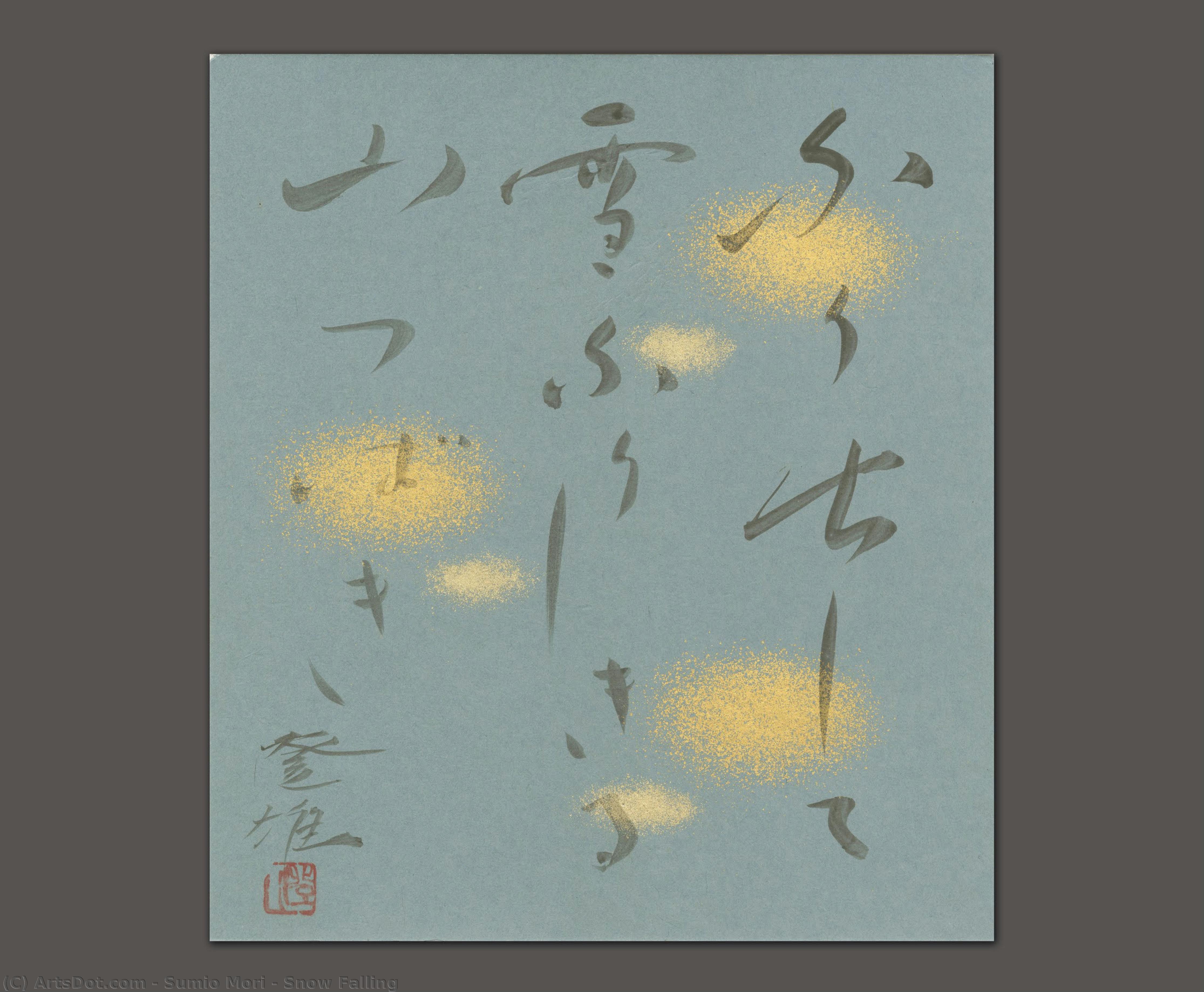
Snow Falling

Japanese haiku poet Sumio Mori (1919-2010) captured nature's beauty in evocative imagery. Known for his haikai tradition, he received prestigious awards & created works like 'Snow Falling'.

Koupě vysoce rozlišeného, vylepšeného digitálního obrazu, který je mnohem kvalitnější než online náhled.

Každý soubor je pečlivě připraven našimi odborníky pomocí pokročilých nástrojů a expertní manuální retuše. Zajišťujeme, aby každý obraz disponoval výjimečnou ostrostí, přesnou barevnou věrností a jemnými detaily.

Finální soubor vám bude do 72 hodin zaslán e-mailem, optimalizovaný pro okamžité použití v profesionálním, redakčním i tiskovém prostředí. Nabízíme stejnou kvalitu, které důvěřují špičková designová studia, nakladatelství i galerie.

Digitální obrazy

Stáhněte si soubor ve vysokém rozlišení pro osobní prohlížení, tisk a kreativní projekty.

Celková cena

$9.99

Součást každé objednávky digitálního obrazu

Profesionální digitální doručení, zaručeno.

Když si vyberete WahooArt.com, nezískáváte pouze obrázek – získáváte digitální umělecké dílo s profesionálně vylepšenými detaily, zpracované s precizností a podpořené zárukou za spokojenost. Zde je vše, co vaše objednávka automaticky obsahuje:

shipping_icon
Rychlé doručení e-mailem

Váš digitální obraz ve vysokém rozlišení vám bude zaslán e-mailem do 72 hodin od objednávky – připraven k okamžitému použití.

canvas_icon
Digitální soubor s využitím AI

Vaše umělecké dílo je profesionálně optimalizováno pomocí pokročilých nástrojů umělé inteligence a manuální úpravy, což zajišťuje maximální úroveň detailu, ostrosti a přesnosti barev.

insurance_icon
Bezplatné doživotní znovuodeslání

Soubor jste omylem smazali nebo ztratili? Žádný problém – kdykoliv vám ho znovu zašleme zcela zdarma.

tax_icon
Bez poplatků za dovoz – navždy

Užijte si své umělecké dílo okamžitě bez celních poplatků, daní nebo nákladů na dopravu – digitální stažení je vždy bez daňových povinností.

color_icon
Záruka přesnosti barev

Pomocí profesionálních nástrojů a správy barev zajišťujeme, aby váš digitální obraz odrážel původní barvy co nejvěrněji.

return_icon
60denní záruka spokojenosti

Pokud nebudete s digitální fotografií spokojeni, provedeme její revizi nebo vám vrátíme 100% během 60 dnů – bez jakýchkoliv dotazů.

guarantee_icon
100% záruka vrácení peněz

Nespokojeni? Získejte plnou částku zpět do 60 dní od přijetí vašeho digitálního souboru – bez jakýchkoliv dotazů.

discount_icon
Slevy při hromadných objednávkách

Koupěte si 3 obrazy, ušetřete 10% - Koupěte si 5, ušetřete 15% - Koupěte si 10+, ušetřete 20%. Ideální pro kreativní projekty, galerie a agentury.


Biografie umělce

A Life Etched in Haiku: The Poetic World of Sumio Mori

Sumio Mori, born in Nagasaki, Japan, in 1919, was a figure whose life became inextricably linked with the delicate art of haiku. Though his early years saw a relocation to Himeji, the coastal beauty of Nagasaki remained a foundational influence, subtly shaping the imagery and sensibility that would define his poetic voice. Mori wasn’t merely a practitioner of this traditional form; he was a revitalizer, deeply invested in preserving the spirit of pre-modern *haikai* while simultaneously forging a path for contemporary expression. His journey reflects a profound engagement with nature, a quiet introspection on the passage of time, and an unwavering dedication to capturing fleeting moments of beauty within the concise structure of seventeen syllables.

The Haikai Tradition and Early Development

Mori’s artistic lineage is rooted in the *haikai* tradition—a more playful, often humorous precursor to haiku that flourished during the Edo period. This early exposure instilled in him a respect for the form's historical depth and its capacity for both profound observation and subtle wit. His father, Sadatake Mori (writing under the pen name Fuyuhiko), was himself a haiku poet connected with the influential *Hototogisu* magazine, providing a crucial initial mentorship. This familial influence nurtured Mori’s nascent talent, encouraging him to explore the natural world as a source of poetic inspiration. He began composing haiku at a young age, absorbing the rhythms and conventions of the form while developing his own unique perspective. His formal education at Kyushu University likely broadened his intellectual horizons, but it was the immersive experience of Nagasaki's port city environment—a blend of maritime culture and seasonal shifts—that truly ignited his poetic sensibility.

A Voice for Nature: Themes and Style

Mori’s haiku are characterized by a remarkable clarity and evocative power. He eschewed grand pronouncements or overt emotional displays, instead focusing on the precise depiction of natural phenomena. A riverbed of rocks, a single white peach peeled in sunlight, the quiet passing of water—these seemingly simple observations become portals to deeper contemplation. His work often centers around *kigo*, seasonal words that anchor the poem within a specific time and place, creating a sense of immediacy and connection to the cyclical rhythms of nature. He wasn’t simply recording what he saw; he was attempting to distill the essence of an experience, capturing its fleeting beauty before it vanished. This dedication to observation and precision earned him recognition as one of Japan's leading haiku practitioners in the mid-20th century.

Recognition and Legacy: Awards and Influence

Sumio Mori’s contributions to the world of haiku were widely acknowledged during his lifetime, culminating in prestigious awards that solidified his position within the literary landscape. He received the Yomiuri Prize for Poetry in 1977 for his collection *Riso*, a testament to the enduring quality and artistic merit of his work. Further recognition came with the Dakotsu Prize in 1987, honoring his profound impact on haiku artistry. Beyond these accolades, Mori’s influence extended through his role as editor of the influential haiku journal *Kanrai* (Cold Thunder) from 1957 to 1971. As editor, he championed both pre-modern traditions and emerging voices, fostering a vibrant community of poets and shaping the direction of contemporary haiku literature. He was also honored as a Person of Cultural Merit, acknowledging his significant contributions to Japanese arts and culture.

Historical Significance: A Bridge Between Tradition and Modernity

Sumio Mori’s legacy lies in his ability to bridge the gap between tradition and modernity within the art of haiku. He didn't simply replicate the forms of the past; he infused them with a contemporary sensibility, creating works that resonated with both seasoned practitioners and new audiences. His dedication to *haikai* traditions ensured the preservation of this vital aspect of Japanese poetic heritage, while his emphasis on personal introspection and evocative imagery broadened the scope of haiku expression. Mori’s poetry continues to inspire global haiku communities through its depth, fidelity to seasonal observation, and quiet beauty—a testament to the enduring power of seventeen syllables to capture the essence of a fleeting moment in time. He passed away in Tokyo in 2010, leaving behind a body of work that stands as a profound meditation on nature, time, and the human experience.
sumio mori

sumio mori

1919 - 2010 , Japan

Stručné informace

  • Artistic Movement Or Style: Haiku poetry
  • Date Of Birth: 1919
  • Date Of Death: 2010
  • Full Name: Sumio Mori
  • Nationality: Japanese
  • Notable Artworks: ['Snow Falling']
  • Place Of Birth: Nagasaki, Japan