Zobrazit v interiéru Zkusit v AR Přepnout na tiskové verze Objednat ručně malovanou reprodukci Odeslat
Podrobnosti Průvodce Přidat do oblíbených Stáhnout obrázek Podobné kousky Rentgenové snímky Slideshow Statistiky

Samuel Woodburn

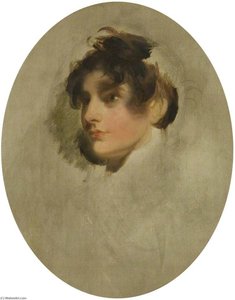
Sir Thomas Lawrence’s ‘Samuel Woodburn’ (1820) – a striking Regency portrait showcasing dramatic chiaroscuro & wealth symbolism. Oil on canvas, 109x84cm. Explore this classic British artwork.

Sir Thomas Lawrence: Regency mistr portrétů, zachycující eleganci a šarm britské aristokracie svým charakteristickým stylem a virtuózním uměním.

Zakupte si digitální obraz ve vysokém rozlišení a vylepšeném provedení, který nabízí mnohem vyšší kvalitu než online náhled.

Každý soubor je pečlivě připraven našimi specialisty s využitím pokročilých nástrojů a odborné manuální retuše. Zajišťujeme, aby každý obraz disponoval výjimečnou ostrostí, přesnou barevnou věrností a jemnými detaily.

Finální soubor vám bude do 72 hodin zaslán e-mailem, optimalizovaný pro okamžité použití v profesionálním, redakčním i tiskovém prostředí. Nabízíme stejnou kvalitu, které důvěřují špičková designová studia, nakladatelství i galerie.

Digitální obrazy

Stáhněte si soubor ve vysokém rozlišení pro osobní prohlížení, tisk a kreativní projekty. ( Přepnout na tiskové verze Objednat ručně malovanou reprodukci)

Celková cena

$ 24,90

Součást každé objednávky digitálního obrazu

Exponenciální digitální doručení, zaručené

Když si vyberete WahooArt.com, nezískáváte pouze obrázek – získáváte digitální umělecké dílo s profesionálně vylepšenými detaily, zpracované s precizností a podpořené zárukou za spokojenost. Zde je vše, co vaše objednávka automaticky obsahuje:

shipping_icon
Bleskové doručení e-mailem

Váš digitální obraz ve vysokém rozlišení vám bude zaslán e-mailem do 72 hodin od objednávky – připraven k okamžitému použití.

canvas_icon
Digitální soubor s podporou AI

Vaše umělecké dílo je profesionálně optimalizováno pomocí pokročilých nástrojů umělé inteligence a manuální úpravy, což zajišťuje maximální úroveň detailu, ostrosti a přesnosti barev.

insurance_icon
Doživotní bezplatné znovuodeslání

Soubor jste omylem smazali nebo ztratili? Žádný problém – kdykoliv vám ho znovu zašleme zcela zdarma.

tax_icon
Bez poplatků za dovoz – navždy

Užijte si své umělecké dílo okamžitě bez celních poplatků, daní nebo nákladů na dopravu – digitální stažení je vždy bez daňových povinností.

color_icon
Záruka přesnosti barev

Díky profesionálním nástrojům a správě barev zajišťujeme, aby váš digitální obraz odrážel původní barvy co nejvěrněji.

return_icon
100dená záruka spokojenosti

Pokud nebudete s digitálním obrázkem spokojeni, provedeme jeho revizi nebo vám vrátíme 100% platby do 100 dnů – bez jakýchkoliv dotazů.

guarantee_icon
100% záruka vrácení peněz

Nespokojeni? Získejte plnou náhradu peněz do 100 dnů od obdržení digitálního souboru – bez zbytečných dotazů.

discount_icon
Slevy při hromadných objednávkách

Při koupi 3 obrazů ušetříte 10% – Při koupi 5 obrazů ušetříte 15% – Při koupi 10+ obrazů ušetříte 20%. Ideální pro kreativní projekty, galerie a agentury.

Rychlé informace

  • Artist: Sir Thomas Lawrence
  • Movement: Regency portraiture
  • Subject or theme: Portrait of a gentleman
  • Medium: Oil on canvas
  • Title: Samuel Woodburn
  • Dimensions: 109 x 84 cm
  • Notable elements: Chiaroscuro, wealth symbolism

Kvíz o umění

U každé otázky je pouze jedna správná odpověď.

Otázka 1:
What artistic movement is most closely associated with Sir Thomas Lawrence’s portrait style?
Otázka 2:
The dramatic lighting in ‘Samuel Woodburn’ is a key characteristic of which technique?
Otázka 3:
What does the inclusion of a newspaper in ‘Samuel Woodburn’ likely symbolize?
Otázka 4:
In what year was ‘Samuel Woodburn’ painted?
Otázka 5:
Which of the following best describes the overall atmosphere created by the color palette in ‘Samuel Woodburn’?

Samuel Woodburn: A Window into Regency Society

Sir Thomas Lawrence’s “Samuel Woodburn,” painted in 1820, isn't merely a portrait; it’s a meticulously crafted window into the social and intellectual currents of Regency England. The work depicts a gentleman seated comfortably, engrossed in a newspaper – a scene instantly familiar yet imbued with subtle layers of meaning. Lawrence, one of the era’s most celebrated portraitists, masterfully employed his signature style: a dramatic interplay of light and shadow, known as chiaroscuro, to create an atmosphere both dignified and intimate.

The composition itself is carefully considered. Woodburn occupies a significant portion of the canvas, drawing the viewer's eye immediately to his face – a study in quiet contemplation. His attire, a dark coat and waistcoat paired with a crisp white shirt and cravat, speaks volumes about his status and wealth. The draped curtain in the background adds depth and a sense of enclosed space, suggesting both privacy and intellectual pursuits. Notice how Lawrence subtly uses lines to define the contours of Woodburn’s face, clothing folds, and even the newspaper itself – a testament to his keen observational skills and technical prowess.

The Art of Chiaroscuro and its Regency Significance

Lawrence's masterful use of chiaroscuro is central to the painting’s impact. The strong contrasts between light and dark aren’t simply decorative; they serve to emphasize Woodburn’s features, highlighting his intelligence and perhaps even a hint of melancholy. This technique was particularly popular during the Regency period, reflecting a fascination with theatricality and dramatic effect – elements that resonated strongly within the fashionable circles of London society. The lighting itself feels carefully orchestrated, directing our gaze towards the subject and reinforcing his importance within the scene.

Furthermore, the choice of a newspaper as Woodburn’s primary activity is significant. It speaks to the burgeoning intellectual climate of the time, where reading and debate were increasingly valued. The gentleman isn't engaged in idle leisure; he’s actively absorbing information, suggesting an engagement with current affairs and perhaps even a degree of social influence. This reflects the growing importance of the middle class and their participation in public discourse.

A Portrait of Wealth and Status

“Samuel Woodburn” is undeniably a portrait of wealth and status – hallmarks of commissioned portraits during the Regency era. The quality of the fabrics, the meticulous detail in the rendering of his clothing, and the overall sense of refinement all communicate a message of prosperity and social standing. However, Lawrence doesn’t simply present a superficial depiction of wealth; he subtly imbues the portrait with an air of dignity and intellectualism.

The painting's historical context is crucial to understanding its full significance. Sir Thomas Lawrence was not just a painter; he was a key figure in shaping the visual culture of Regency England, advising on decorum and social etiquette for the aristocracy. His portraits were commissioned by prominent figures – members of Parliament, military officers, and wealthy merchants – and served as powerful symbols of their status and influence. “Samuel Woodburn” exemplifies this role perfectly, offering a glimpse into the lives and aspirations of a privileged segment of society.

Symbolism and Emotional Resonance

Beyond its social and historical context, "Samuel Woodburn" possesses a subtle emotional resonance. The gentleman’s contemplative gaze invites us to speculate about his thoughts and experiences. Is he lost in thought? Reflecting on recent events? Perhaps simply enjoying a moment of quiet contemplation amidst the bustle of London life?

The painting's muted color palette – dominated by dark browns, blacks, and creams – contributes to this sense of introspection. It’s a somber yet dignified atmosphere, reflecting the complexities of human experience. Ultimately, “Samuel Woodburn” is more than just a portrait; it’s a carefully constructed tableau that captures the essence of Regency society—its wealth, its intellect, and its quiet moments of reflection.


Biografie umělce

A Brushstroke of Regency Splendor: The Life and Art of Sir Thomas Lawrence

Sir Thomas Lawrence, born in Bristol in 1769 amidst the vibrant bustle of a port city, emerged as one of the most celebrated portrait painters of his era. His early life was marked by a restless spirit – following his father’s itinerant career as an innkeeper through Devizes and finally settling in the elegant spa town of Bath. It was within these convivial settings that young Lawrence first discovered his extraordinary talent for capturing likeness, initially sketching portraits for patrons at the local inns, a skill honed without formal training but fueled by innate observation and a remarkable ability to discern character. Even then, it was clear he possessed an entrepreneurial drive alongside his artistic gift; he supported his family through pastel portrait commissions while still in his youth, demonstrating a self-reliance that would define his entire career. This early independence fostered a unique perspective, shaping his approach to art and his relationships with the aristocratic figures who became his patrons.

Ascension to Portraiture’s Pinnacle

The move to London at the tender age of eighteen marked a dramatic shift in Lawrence's trajectory, propelling him into the heart of Regency society. He swiftly established himself as a portrait painter in oils, quickly securing his first royal commission – a captivating portrait of Queen Charlotte in 1789 – an event that catapulted him to immediate fame and solidified his position within London’s elite circles. Lawrence's genius lay not merely in technical skill but in his uncanny ability to capture *character*, imbuing his subjects with a sense of presence, charm, and often, a flattering yet insightful portrayal. He became renowned for his mastery of capturing the glamour and sophistication of the Regency era, painting a dazzling array of nobility, royalty, and prominent figures – each portrait imbued with a distinctive virtuosity that drew comparisons to Sir Joshua Reynolds, whom he deeply admired. His election as an associate, then full member, of the Royal Academy in 1791 and 1794 respectively cemented his position within the established art world, signifying recognition from his peers and solidifying his reputation as one of Britain’s leading artists.

Patronage, Prestige, and the Waterloo Chamber

The patronage of the Prince Regent (later King George IV) proved to be a pivotal moment in Lawrence's career. Recognizing his exceptional talent and unwavering dedication, the Prince commissioned him for a monumental undertaking: the creation of portraits of allied leaders for the Waterloo Chamber at Windsor Castle. This ambitious project demanded not only technical brilliance but also an understanding of diplomacy and historical significance. Lawrence meticulously researched each subject, capturing their gravitas and commanding presence with remarkable skill. The resulting portraits – a series of large-scale canvases depicting figures such as Napoleon, Wellington, and other key leaders – became a centerpiece of the Waterloo Chamber, showcasing Lawrence’s ability to handle complex compositions and convey the weight of history. This commission brought him widespread acclaim throughout Europe, further enhancing his reputation and solidifying his status as a court painter of distinction.

A Legacy Tempered by Complexity

Despite his considerable success and the admiration he garnered from the elite circles of London society, Lawrence’s life was not without its complexities. He struggled with persistent financial difficulties throughout much of his career, often burdened by debt despite earning substantial sums through his commissions. His personal life was marked by a series of tumultuous relationships, most notably with Sally and Maria Siddons, daughters of the celebrated actress Sarah Siddons – connections that provided inspiration but also brought heartache and scandal to his private world. Furthermore, Lawrence’s sitters reflected the social realities of Regency England, including both slave owners and abolitionists, highlighting the moral ambiguities inherent in a society grappling with issues of power, wealth, and justice. His reputation experienced a decline during the Victorian era as tastes shifted towards more didactic art forms, yet his legacy has been partially restored through renewed appreciation for his technical skill and captivating portrayal of the Regency period.

Influences and Enduring Impact

Lawrence’s artistic development was profoundly shaped by Sir Joshua Reynolds, whose emphasis on capturing character and employing a fluid brushstroke resonated deeply with the young artist. He diligently studied Old Master drawings, particularly those by Michelangelo and Raphael, absorbing their anatomical precision and compositional mastery. While firmly rooted in tradition, Lawrence's work also reflected the emerging Romantic sensibilities of his time, embracing glamour, emotional intensity, and a fascination with the dramatic. His influence can be seen in the works of later portrait painters who sought to emulate his style and capture the spirit of an era. Though he faced personal struggles and a decline in popularity during the Victorian period, Sir Thomas Lawrence’s legacy endures as one of Britain's most accomplished and captivating portraitists – a testament to his talent, charm, and enduring contribution to the world of art.
Tomáš Lawrence

Tomáš Lawrence

1769 - 1830 , Spojojené království

Rychlé informace

  • Artistic Movement Or Style: Regency portrét
  • Artists Or Movements Influenced By This Artist: ['Romantismus']
  • Artists Who Influenced This Artist: ['Joshua Reynolds']
  • Date Of Birth: 13. dubna 1769
  • Date Of Death: 7. ledna 1830
  • Full Name: Sir Thomas Lawrence
  • Nationality: Britský
  • Notable Artworks:
    • Portrét Charlotte
    • Váluverské portréty
  • Place Of Birth: Bristol, UK