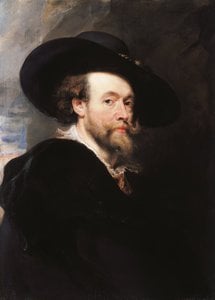
A Life Forged in Baroque Splendor
Sir Peter Paul Rubens, jméno, které rezonuje s esencí barokní dynamiky, byl mnohem víc než jen malíř. Byl diplomat, učenec a kulturní architekt, který zásadně proměnil umělecké prostředí 17. století Evropy. Narodil se v Siegenu, Německu, v roce 1577, jeho rané roky byly poznamenány vyhnanstvím – formující zkušeností, která subtilním způsobem pronikla do jeho pozdějších děl podtónem dramatu a emocionální hloubky. Jeho otec, Jan Rubens, právník hledající útočiště před náboženskými perzekucemi, přesunul rodinu z Antverp, tehdy pod španělskou nadvládou. Toto počáteční vyhnanství vložilo do mladého Petra Paula pocit odolnosti a adaptability, vlastnosti, které mu sloužily dobře v jeho mnohostranné kariéře. Po smrti otce v roce 1587 se rodina vrátila do Antverp, kde získal humanista vzdělání a kolem roku 1590 začal s uměleckým tréninkem, pod vedením Tobiasa Verhaechta a Adama van Noorta, zdokonaloval základy kresby a malířských technik. Nicméně jeho čas s Ottem van Veenem se ukázal jako klíčový, vystavěl mu bohaté dědictví italského renesančního umění – svět, kterého se brzy chtěl celou duší přijmout.
The Italian Awakening and Artistic Synthesis
V roce 1600 se Rubens vydal na transformační cestu do Itálie, poutní cestu, která neodmyslitelně utvářela jeho umělecké vizi. Po osm let se ponořil do mistrovských děl Michelangelo, Rafaela a Titta, absorboval jejich mistrovství ve formě, barvě a kompozici. Vliv těchto renesančních obratů je zřejmý v jeho raných italských dílech, charakterizovaných klasickými motivy a idealizovanými postavami. Rubens však nevymohl jen kopie; syntetizoval tyto vlivy se svými vlastními talentem, vyvíjel tak jedinečný styl, který se vyznačoval zářivými barvami, dynamickými kompozicemi a smyslným zobrazením lidského těla. Pečlivě studoval anatomii, což vedlo k postavám, které měly fyzickou realitu i emocionální sílu – robustní těla nabité životem a energií. Tento období nebylo jen o uměleckém rozvoji; bylo to hluboké intelektuální probuzení, které podpořilo vášeň pro klasickou mytologii a literaturu, která se stala opakující se motivací v jeho díle. Po návratu do Antverp v roce 1608 se Rubens rychle etabloval jako vedoucí umělec své doby, byl jmenován dvorním malířem vládců Nizozemska, arcivévody Alberta a jeho manželky Isabelle. Následujícího roku se oženil s Isabelle Brandt a koupil si velký dům v módní části Antverp. Rozšířil svůj ateliér, přijímal mnoho zakázek, které svědčily o jeho rostoucí pověsti a upevňovaly jeho pozici na špičce flamského umění.
A Master of Many Forms: Painting Beyond Boundaries
Rubensův umělecký výstup byl ohromně rozmanitý a plodný. Nevylučoval si žádný žánr; spíše vynikal v historických malbách, mytologických scénách, portrétech, krajinách a náboženských dílech – důkazem jeho všestrannosti a neomezené kreativity. Jeho rozměrné plátna, často určená pro kostely, paláce a veřejná místa, byla dechberoucími ukázkami technické zručnosti a dramatického vyprávění.
Sestup z kříže (1612–1614) je příkladem jeho mistrovského použití světla a stínu k vytvoření scény hlubokého emocionálního dopadu, vtahující diváka do srdce příběhu.
Zesílení kříže (1610-1611), s roztočenými postavami a dynamickou kompozicí, ukazuje jeho schopnost vyjádřit pohyb a energii – charakteristiku jeho barokního stylu. I v zdánlivě statických tématech, jako je
Souzení Párady (c. 1636), Rubens vložil do obrazu pocit života a vitality prostřednictvím své bohaté barevné palety a smyslného zobrazení lidského těla. Jeho technika byla stejně pozoruhodná – mistrovské ovládání olejem, používající impasto k vytvoření textury a hloubky, spolu s jemnými glazurními technikami k dosažení luminózních efektů. Častěji používal alegorické postavy a symbolickou imagery, vrstvení příběhů s komplexními významy, které vyzývaly k zamyšlení a interpretaci.
Diplomacy, Legacy, and Enduring Influence
Rubensův vliv se rozprostřel daleko za hranice umění. Jeho diplomatické dovednosti byly vyhledávané v Nizozemsku, a on podnikl mnoho misí do Anglie, Francie a Španělska, kde vyjednával dohody a podporoval politická spojenectví – jedinečnou dvojitou roli, která mu poskytla nuance evropských záležitostí a dále zvýšila jeho pověst jako člověka s intelektem a vlivem. V roce 1622 byl povolan do Paříže, aby provedl obrovský projekt pro Maria de Medici, vdovu po králi Filipu IV., králi Francie. Celé dvě galerie měly být vyzdobené životy královny a jejího zesnulého manžela. Zakázka byla napjatá; Maria byla zvláštní a proměnlivá; a její oblíbený kardinál Richelieu viděl Rubense jako politickou hrozbu. Po letech hádek byl projekt zrušen, když Maria byla vyhnána z Paříže. V roce 1625 se v Antverpách roznesla mor, Rubens se přesunul do Bruselu, dokud se nejhorší situace nezměkla. Poté se vrátil do Antverp, kde jeho žena onemocněla a zemřela, pravděpodobně na mor. Rubens, muž, který si hrdě uchovával stoicičnost, byl zraněn ztrátou „jedinou, kterou jsem musel milovat a chránit po celý svůj život“.
Vzal se do nového manželství s Helenou Fourment, 16 let starou sestru své první ženy. Tato svatba znamenala pro něj posun od podnikatele k člověku, který si užívá radosti života. Rubens stále maloval, ale odmítl přijímat zakázky, spíše vytvářel krajiny nebo portréty mladé Heleny, která se stala symbolem jeho stylu. Z pohodlného důchodu sledoval rozmach svého dědictví. Jeho žáci pokračovali v práci v ateliérech v Antverpách a Anthony van Dyck přenesl své vzdělání od Rubense do Anglie, kde se stal vedoucím dvorním malířem. Rubens zemřel v roce 1640 v Antverpách ve věku 62 let, obklopený uznáním a respektem pro svou neuvěřitelnou uměleckou cestu.
Key Characteristics of Rubens’s Style
- Dynamic Composition: Rubens' paintings are known for their energetic and dramatic arrangements of figures.
- Vibrant Color Palette: He employed a rich, warm color scheme that brought his canvases to life.
- Sensuous Figures: His depictions of the human form were characterized by fullness, vitality, and often, overt sensuality.
- Masterful Use of Light and Shadow: Rubens skillfully manipulated light and shadow to create depth, drama, and emotional impact.
- Allegorical Symbolism: His works frequently incorporated allegorical figures and symbolic imagery, adding layers of meaning and complexity.



 Náhled
 Přepnout na tisk
 Sdílet
 Sdílet
 Podrobnosti o díle

 Stáhnout
 Podobné položky
 Rentgenové snímky
 Slideshow
 Statistiky


 Zobrazit více






































 Skleněná varianta je dostupná pouze u rozměrů menších než 110 cm