x
NáhledNáhled Náhled v ARNáhled v AR Koupit tisk Koupit tiskKoupit obrázek Koupit obrázek SdíletSdílet
Podrobnosti o dílePodrobnosti o díle Přidat do oblíbených Přidat do oblíbených StáhnoutStáhnout Podobné položkyPodobné položky Rentgenové snímkyRentgenové snímky SlideshowSlideshow

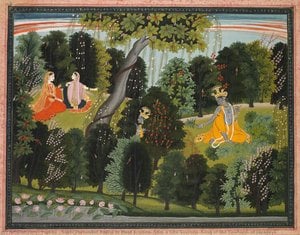
Leaf from the Muraqqa Gulshan

Experience Mughal naturalism with Ali Quli Istajlu's 16th-century album page depicting scholars by a brook; discover this masterpiece of court art today.

Explore the art of Ali Quli Istajlu (1551-1605), a pivotal figure in Mughal painting. Discover his vibrant miniatures blending Persian, Turkoman & Indian styles. Known for portraits and contributions to the Shahnameh.

Ručně malovaná olejová reprodukce

Ručně malovaná olejná barva na plátně ve vašem zvoleném rozměru i s rámem, vyrobená našimi umělci na zakázku. (Koupit tisk Koupit tiskKoupit obrázek Koupit obrázek)

P118B $10
P118H $10
P118W $10
P438Z $10
P508JH $12
P508YH $12
P805H $10
P805Z $10
P919BZ $10
P919G $10
P919XJ $10
P959ZH $10
P968JZ $12
W106C $8
W218G $10
W218JH $8
W218Y $10
W307PJ $10
W316G $10
W316PJ $8
W316Y $10
W398PJ $8
W4111J $10
W500HY $15
W500JH $15
W692G $12
W849H $8
W940BG $15
W953PJ $8

Standardní velikost
na míru
CM
INCH

Vyberte si z našich přednastavených velikostí, které odpovídají původním proporcím díla.

šířka
výška

Můžete zadat vlastní rozměry pro konkrétní rám nebo prostor. Pokud se vámi vybraná velikost neshoduje s proporcemi původního obrazu, dílo buď ořízneme, nebo jej doplníme ručně malovanými prvky. Před zahájením výroby vám bude zaslán digitální náhled ke schválení.
Upozorňujeme, že náhled na obrazovce neodpovídá skutečnému ořezu ani rozšíření. Pouze digitální náhled přesně zobrazí finální kompozici.
Ačkoliv je možné zvolit vlastní velikost, pro zachování původních proporcí doporučujeme vybrat rozměr z předdefinovaného seznamu.

Příklady možných změn: Nahrazení obličeje vlastní fotografií; Přidání domácího mazlíčka (např. nahrazení kočky psem); Vložení skrytého vzkazu do pozadí; Změna krajiny nebo prvků v pozadí.
Po přijetí objednávky vám tým WahooArt.com zašle e-mail s pokyny a poskytne náhledovou verzi.

Celosvětová doprava () za 3–4 týdny namísto standardních 5 týdnů. (30 srpen). Bez kompromisů v kvalitě.

why_choose_icon
Zdarma celosvětová expresní doprava
why_choose_icon
Vysoce kvalitní lněné plátno
why_choose_icon
Kompletní přepravní pojištění
why_choose_icon
Záruka vrácení celního poplatku
why_choose_icon
Záruka přesného barevného shodu
why_choose_icon
60denní lhůta pro vrácení zboží (pouze při vadách výroby)
why_choose_icon
100% garance vrácení peněz
why_choose_icon
Sleva při hromadné objednávce

Celková cena

$ 272

reproduction

Leaf from the Muraqqa Gulshan

Technika reprodukce

Rozměry reprodukce

-

Celková cena za výběr

$ 272

Základní informace

  • Notable elements or techniques: Calligraphy, naturalism
  • Dimensions: 68 x 52 cm
  • Year: 1597
  • Artist: Ali Quli Istajlu
  • Influences:
    • Persian art
    • Islamic culture
  • Artistic style: Mughal miniature painting
  • Subject or theme: Poetic conversation in nature

Kvíz o umění

U každé otázky je pouze jedna správná odpověď.

Otázka 1:
What is the primary artistic style exemplified by this album page?
Otázka 2:
Which Mughal Emperor was the patron associated with this artwork, as suggested by the title?
Otázka 3:
The description mentions that calligraphy was considered what in historical Islamic cultures?
Otázka 4:
What geographical influences are visible in the background of the painting?
Otázka 5:
Which artist, known for blending Persian, Turkoman, and Indian influences, is associated with this period?

A Glimpse into Mughal Courtly Life

This exquisite folio, titled Leaf from the Muraqqa Gulshan, transports us directly into the opulent and intellectually vibrant world of Emperor Jahangir's court in the late 16th century. It is more than just a painting; it is a meticulously preserved moment of scholarly discourse set against a backdrop of idealized natural beauty. The scene captures three figures—a young Mughal prince, his attendant, and a distinguished Persian Sufi poet or scholar—engaged in deep conversation. Their attire, the distinct turbans, and the flowing chola worn by the scholar speak volumes about the cultural confluence that defined the Mughal era, where Persian refinement met indigenous Indian artistry.

Mastery of Technique and Naturalism

The technical brilliance displayed here is breathtaking. The naturalism achieved by the court artists is palpable; every fold of fabric, every gesture, seems imbued with life. Observe the delicate rendering of the setting: a babbling brook whispers across the foreground, while beneath a flowering tree, nature provides its gentle stage. Adding to this sense of vibrant life are the scattered birds—some perched, others taking flight—which lend an unparalleled depth and movement to the composition. The background further expands the narrative scope, juxtaposing serene Persian-style rock formations with a hint of European-inspired cityscape silhouetted against a vivid, late-afternoon sky. This masterful blending of local flora, exotic architecture, and dynamic wildlife showcases the apex of Mughal decorative arts.

The Interplay of Art Forms: Painting and Calligraphy

What elevates this piece to an object of profound historical significance is its format as part of an Imperial Mughal album. Historically, calligraphy was considered the zenith of art in Islamic cultures, treated with the reverence usually reserved for painting. The inclusion of beautifully rendered poetry—a translation from Faqir ‘Ali speaks of enduring affection—demonstrates how paintings and written word were inseparable companions. These albums served not merely as collections of pretty pictures, but as curated repositories of culture, knowledge, and devotion, where the calligrapher’s signature was as recognized as a master painter's.

Symbolism and Emotional Resonance

The gathering itself suggests a confluence of learning and spiritual pursuit. The open books held by the scholars are potent symbols of wisdom and dialogue, suggesting that true enlightenment is found through conversation and study. The poem quoted speaks to an enduring, deep-rooted connection—a metaphor for love or devotion that time cannot erode. For the modern collector or designer, this piece offers more than mere decoration; it offers a window into an era where intellectual life was celebrated with such lavish artistry. Reproducing this work allows one to bring home not just pigment on paper, but the very spirit of Mughal contemplation and refined human connection.


Biografie umělce

early life and career

ali quli istajlu, a renowned painter from afghanistan, lived from 1551 to 1605. his life was marked by significant contributions to the mughal art movement, which flourished during the reign of the mughal empire in india. as a young artist, ali quli istajlu was educated under the instructions of shah ismail ii of the safavid dynasty in iran. this exposure to persian art and culture significantly influenced his work. later, he became a mughal courtier and served as the jagirdar of burdwan in west bengal from 1605 to 1607.

artistic style and notable works

ali quli istajlu's artistic style was characterized by its unique blend of persian, turkoman, and indian influences. his work featured intricate patterns, vibrant colors, and detailed figures, which were hallmarks of the mughal art movement. some of his notable works include:

legacy and impact

ali quli istajlu's contributions to the mughal art movement had a lasting impact on indian culture and society. his work helped spread persian culture and ideas throughout india, contributing to the development of a distinctly indian style of painting. today, ali quli istajlu's artwork can be found in various museums, including: these institutions showcase the beauty and craftsmanship of mughal art, continuing to inspire contemporary artists.

personal life and later years

ali quli istajlu was also known for his personal life, being the first husband of nur jahan (mehrunissa), who later married jahangir and became empress of india. he had a daughter, mihr-un-nissa begum, who married prince shahryar, the fifth and youngest son of jahangir. ali quli istajlu passed away in 1605, leaving behind a legacy that continues to be celebrated in the world of mughal art. discover more about mughal art and its significance in the history of indian culture.
ali quli istajlu

ali quli istajlu

1551 - 1605 , Afghanistan

Rychlé fakta

  • Artistic Movement Or Style: Mughal Painting
  • Artists Or Movements Influenced By This Artist: Persian Art
  • Artists Who Influenced This Artist: Shah Ismail II
  • Date Of Birth: 1551 Kandahar Afghanistan
  • Date Of Death: 1605
  • Full Name: Ali Quli Istajlu
  • Nationality: Afghan
  • Notable Artworks:
    • The Great Mongol Shahnameh
    • Mughal Miniature Paintings
    • Portraits of Mughal Emperors
  • Place Of Birth: Kandahar Afghanistan