BEZPLATNÉ UMĚLECKÉ PORADENSTVÍ

x
Koupit tisk Koupit tiskObjednat reprodukci Objednat reprodukci SdíletSdílet
PodrobnostiPodrobnosti Přidat do oblíbených Přidat do oblíbených StáhnoutStáhnout Podobné položkyPodobné položky Rentgenové snímkyRentgenové snímky SlideshowSlideshow

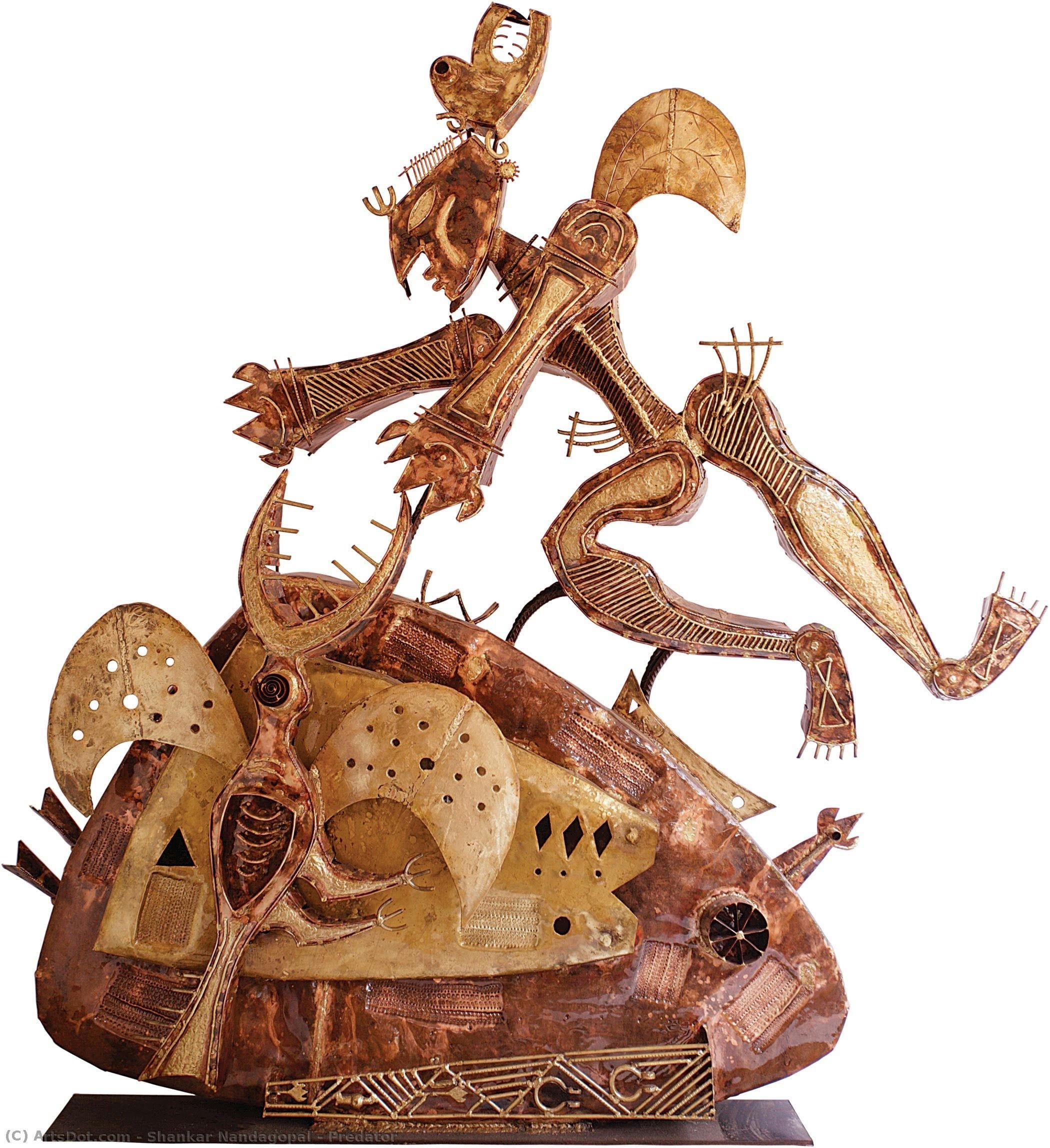
Predator

Shankar Nandagopal (1946-2017) was a leading Indian sculptor & painter of the Madras Art Movement, known for his innovative metal sculptures exploring form and space. Son of K.C.S. Paniker, recipient of Lalit Kala Akademi & Jindal awards.

Koupě vysoce rozlišeného, vylepšeného digitálního obrazu, který je mnohem kvalitnější než online náhled.

Každý soubor je pečlivě připraven našimi odborníky pomocí pokročilých nástrojů a expertní manuální retuše. Zajišťujeme, aby každý obraz disponoval výjimečnou ostrostí, přesnou barevnou věrností a jemnými detaily.

Finální soubor vám bude do 72 hodin zaslán e-mailem, optimalizovaný pro okamžité použití v profesionálním, redakčním i tiskovém prostředí. Nabízíme stejnou kvalitu, které důvěřují špičková designová studia, nakladatelství i galerie.

Digitální obrazy

Stáhněte si soubor ve vysokém rozlišení pro osobní prohlížení, tisk a kreativní projekty.

Celková cena

$9.99

Součást každé objednávky digitálního obrazu

Profesionální digitální doručení, zaručeno.

Když si vyberete WahooArt.com, nezískáváte pouze obrázek – získáváte digitální umělecké dílo s profesionálně vylepšenými detaily, zpracované s precizností a podpořené zárukou za spokojenost. Zde je vše, co vaše objednávka automaticky obsahuje:

shipping_icon
Rychlé doručení e-mailem

Váš digitální obraz ve vysokém rozlišení vám bude zaslán e-mailem do 72 hodin od objednávky – připraven k okamžitému použití.

canvas_icon
Digitální soubor s využitím AI

Vaše umělecké dílo je profesionálně optimalizováno pomocí pokročilých nástrojů umělé inteligence a manuální úpravy, což zajišťuje maximální úroveň detailu, ostrosti a přesnosti barev.

insurance_icon
Bezplatné doživotní znovuodeslání

Soubor jste omylem smazali nebo ztratili? Žádný problém – kdykoliv vám ho znovu zašleme zcela zdarma.

tax_icon
Bez poplatků za dovoz – navždy

Užijte si své umělecké dílo okamžitě bez celních poplatků, daní nebo nákladů na dopravu – digitální stažení je vždy bez daňových povinností.

color_icon
Záruka přesnosti barev

Pomocí profesionálních nástrojů a správy barev zajišťujeme, aby váš digitální obraz odrážel původní barvy co nejvěrněji.

return_icon
60denní záruka spokojenosti

Pokud nebudete s digitální fotografií spokojeni, provedeme její revizi nebo vám vrátíme 100% během 60 dnů – bez jakýchkoliv dotazů.

guarantee_icon
100% záruka vrácení peněz

Nespokojeni? Získejte plnou částku zpět do 60 dní od přijetí vašeho digitálního souboru – bez jakýchkoliv dotazů.

discount_icon
Slevy při hromadných objednávkách

Koupěte si 3 obrazy, ušetřete 10% - Koupěte si 5, ušetřete 15% - Koupěte si 10+, ušetřete 20%. Ideální pro kreativní projekty, galerie a agentury.

Popis sběratelského kusu

Nandagopal belongs to the contemporary sculpture movement in Madras. His works are frontal in nature and linear which marks the characteristics of the Madras Metaphor. The medium is welded copper and brass and depicts Krishna vanquishing Bakasura the legendary evil bird.

Podobná umělecká díla


Biografie umělce

Shankar Nandagopal: A Pioneer of Metal Sculpture and the Madras Art Movement

Shankar Nandagopal (1946 – 14 April 2017) was an Indian sculptor and painter, recognized as a pivotal figure in the Madras Art Movement—a movement that fundamentally reshaped modern art landscapes in South India. Born in Bengaluru, Karnataka, to K. C. S. Paniker, the visionary founder of Cholamandal Artists’ Village, Nandagopal's artistic lineage instilled within him an unwavering dedication to experimentation and innovation. This formative influence profoundly shaped his career trajectory, culminating in two prestigious Lalit Kala Akademi Awards—a testament to his exceptional talent and contribution to Indian art.

Early Life and Artistic Foundations

Nandagopal’s upbringing amidst the vibrant Cholamandal Artists' Village provided him with an unparalleled environment for artistic development. His father, K. C. S. Paniker, established Cholamandal as a haven for artists seeking refuge from conventional academic pressures, fostering a spirit of collaborative creativity and challenging established artistic norms. This ethos permeated Nandagopal’s own approach to art, encouraging him to push boundaries and explore unconventional materials—particularly metal—as mediums for sculptural expression. The early exposure to Paniker's pioneering vision undoubtedly cemented Nandagopal’s commitment to forging his own distinctive artistic path.

The Madras Art Movement: Influences and Aesthetic Principles

Nandagopal’s artistic sensibilities were inextricably linked to the Madras Art Movement, which emerged in the mid-1950s as a reaction against Western formalism. Spearheaded by Paniker himself, this movement championed modernist ideals—characterized by abstraction, geometric forms, and a deliberate rejection of representational imagery—while simultaneously drawing inspiration from Indian folk traditions and Buddhist iconography. Artists within the Madras Art Movement sought to synthesize Eastern spirituality with Western artistic techniques, resulting in artworks that conveyed profound emotional depth alongside intellectual rigor. Nandagopal’s sculptures embody these core principles, utilizing metal as a canvas for exploring spatial relationships and conveying evocative narratives.

Technique and Artistic Style

Nandagopal's mastery of metal sculpture distinguished him from many contemporaries. He skillfully manipulated steel and other metals—often incorporating intricate textures and surface treatments—to create monumental pieces that commanded attention and invited contemplation. His approach mirrored the broader aesthetic trends of the Madras Art Movement, prioritizing form and space over literal depiction. Like Paniker’s earlier paintings, Nandagopal's sculptures aimed to evoke a sense of grandeur and spiritual resonance, reflecting the movement’s ambition to elevate art beyond mere visual pleasure into a vehicle for conveying philosophical ideas. The resulting artworks are marked by their sculptural presence and textural richness—a legacy of his formative artistic experiences.

Notable Achievements and Legacy

Nandagopal received considerable acclaim throughout his career, notably earning the Jindal Stainless Steel Award for Sculpture in 2002—a recognition that underscored his unwavering dedication to pushing artistic boundaries. His sculptures have been exhibited internationally, securing a prominent place within the canon of contemporary Indian art. More importantly, Nandagopal’s work serves as an enduring symbol of the Madras Art Movement's transformative impact on South Indian visual culture. He remains remembered not merely as a sculptor but as a custodian of Paniker’s artistic vision—a figure who championed innovation and upheld the movement’s commitment to exploring the intersection of tradition and modernity.
  • Lalit Kala Akademi Award (Two Recipients)
  • Jindal Stainless Steel Award for Sculpture
shankar nandagopal

shankar nandagopal

1946 - 2017 , India

Stručné informace

  • Artistic Movement Or Style: Madras Art Movement
  • Artists Or Movements Influenced By This Artist: ['Space Painting']
  • Artists Who Influenced This Artist: ['K.C.S. Paniker']
  • Date Of Birth: 1946
  • Date Of Death: 2017
  • Full Name: Shankar Nandagopal
  • Nationality: Indian
  • Notable Artworks:
    • Predator
    • Landscape
  • Place Of Birth: Bengaluru, India