x
NáhledNáhled Náhled v ARNáhled v AR Koupit tisk Koupit tiskKoupit obrázek Koupit obrázek SdíletSdílet
Podrobnosti o dílePodrobnosti o díle Přidat do oblíbených Přidat do oblíbených StáhnoutStáhnout Podobné položkyPodobné položky Rentgenové snímkyRentgenové snímky SlideshowSlideshow

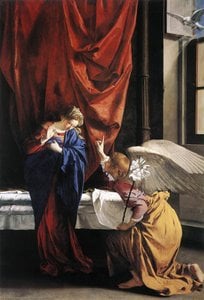
The Annunciation

Explore Scipione Pulzone’s Baroque ‘Annunciation’ (1587). A dramatic oil painting featuring Mary & Gabriel, rich detail, and symbolic elements. Discover this masterpiece of Italian art.

Scipione Pulzone (1544-1598): Neapolitan Renaissance master renowned for detailed portraits of nobility & Counter-Reformation religious art. Explore his unique style!

Ručně malovaná olejová reprodukce

Ručně malovaná olejná barva na plátně ve vašem zvoleném rozměru i s rámem, vyrobená našimi umělci na zakázku. (Koupit tisk Koupit tiskKoupit obrázek Koupit obrázek)

P118B $10
P118H $10
P118W $10
P438Z $10
P508JH $12
P508YH $12
P805H $10
P805Z $10
P919BZ $10
P919G $10
P919XJ $10
P959ZH $10
P968JZ $12
W106C $8
W218G $10
W218JH $8
W218Y $10
W307PJ $10
W316G $10
W316PJ $8
W316Y $10
W398PJ $8
W4111J $10
W500HY $15
W500JH $15
W692G $12
W849H $8
W940BG $15
W953PJ $8

Standardní velikost
na míru
CM
INCH

Vyberte si z našich přednastavených velikostí, které odpovídají původním proporcím díla.

šířka
výška

Můžete zadat vlastní rozměry pro konkrétní rám nebo prostor. Pokud se vámi vybraná velikost neshoduje s proporcemi původního obrazu, dílo buď ořízneme, nebo jej doplníme ručně malovanými prvky. Před zahájením výroby vám bude zaslán digitální náhled ke schválení.
Upozorňujeme, že náhled na obrazovce neodpovídá skutečnému ořezu ani rozšíření. Pouze digitální náhled přesně zobrazí finální kompozici.
Ačkoliv je možné zvolit vlastní velikost, pro zachování původních proporcí doporučujeme vybrat rozměr z předdefinovaného seznamu.

Příklady možných změn: Nahrazení obličeje vlastní fotografií; Přidání domácího mazlíčka (např. nahrazení kočky psem); Vložení skrytého vzkazu do pozadí; Změna krajiny nebo prvků v pozadí.
Po přijetí objednávky vám tým WahooArt.com zašle e-mail s pokyny a poskytne náhledovou verzi.

Celosvětová doprava () za 3–4 týdny namísto standardních 5 týdnů. (28 srpen). Bez kompromisů v kvalitě.

why_choose_icon
Zdarma celosvětová expresní doprava
why_choose_icon
Vysoce kvalitní lněné plátno
why_choose_icon
Kompletní přepravní pojištění
why_choose_icon
Záruka vrácení celního poplatku
why_choose_icon
Záruka přesného barevného shodu
why_choose_icon
60denní lhůta pro vrácení zboží (pouze při vadách výroby)
why_choose_icon
100% garance vrácení peněz
why_choose_icon
Sleva při hromadné objednávce

Celková cena

$ 322

reproduction

The Annunciation

Technika reprodukce

Rozměry reprodukce

-

Celková cena za výběr

$ 322

Základní informace

  • Subject or theme: Religious narrative
  • Title: The Annunciation
  • Movement: Baroque
  • Artist: Scipione Pulzone
  • Location: Private Collection
  • Medium: Oil on panel
  • Artistic style: Detailed realism

The Annunciation by Scipione Pulzone: A Baroque Masterpiece Illuminated

Scipione Pulzone’s “The Annunciation,” completed in 1587, stands as a testament to the fervor and grandeur of the High Renaissance's waning years and the burgeoning Baroque style. Painted during a period marked by intense religious devotion—specifically following the Council of Trent—the artwork embodies the Counter-Reformation’s desire for emotionally resonant art that reaffirmed Catholic faith. More than just a depiction of biblical narrative, it’s a carefully orchestrated visual drama designed to inspire awe and contemplation.
  • Subject Matter: The scene portrays Mary receiving the divine announcement from Archangel Gabriel, accompanied by John the Baptist gesturing excitedly towards a blossoming lily. This iconic image captures the pivotal moment of salvation—the incarnation of Jesus Christ—and underscores themes of purity, grace, and divine intervention.
  • Style & Technique: Pulzone’s approach distinguishes itself from the prevailing Mannerist tendencies of his time. He eschewed stylized poses and distorted perspectives for a refined realism informed by observation and anatomical accuracy. The artist skillfully employs oil paints on canvas, layering colors with meticulous brushwork to achieve remarkable depth and luminosity. Notice the dramatic chiaroscuro—the interplay of light and shadow—which sculpts the figures and creates an ethereal halo effect around Gabriel’s head, emphasizing his celestial status.
  • Composition & Perspective: The painting adopts a vertical orientation, directing the viewer's gaze upwards towards the central figures within a modestly sized interior space. This compositional choice reinforces the spiritual significance of the scene and contributes to its theatrical quality. Pulzone utilizes flattened perspective—characteristic of Baroque art—to heighten the sense of immediacy and create a stage-like atmosphere.
  • Symbolism: Beyond the recognizable biblical characters, “The Annunciation” is replete with symbolic elements. The dove represents the Holy Spirit, descending upon Mary to bless her womb – a potent emblem of divine grace and spiritual renewal. Equally significant is the lily, positioned prominently in John the Baptist’s hand, symbolizing purity and virginity—attributes associated with Mary throughout Christian tradition.
  • Historical Context: Pulzone's work reflects the artistic sensibilities of his era, responding to the urgent need for religious imagery that could galvanize faith during a time of doctrinal reform. The painting exemplifies the Baroque’s commitment to conveying emotion and grandeur through vivid color palettes, dynamic movement, and masterful illusionistic techniques—a deliberate departure from Mannerist austerity.
The artwork's enduring appeal lies in its ability to communicate profound spiritual truths with breathtaking beauty and artistic sophistication. Its meticulous detail and luminous palette continue to captivate audiences today, cementing Pulzone’s legacy as one of the most influential painters of his generation. Reproductions offer a chance to experience this masterpiece firsthand, bringing its emotive power into any home or gallery space.

Biografie umělce

Scipione Pulzone: Life and Legacy

Early Life and Training

Scipione Pulzone (1544 – February 1, 1598), also known as Il Gaetano, was a prominent Neapolitan painter of the late Italian Renaissance. Born in Gaeta around 1550, he began his artistic journey within the workshop of Jacopino del Conte in Rome. This foundational training proved crucial to his development, shaping his early style and providing access to the vibrant Roman art scene.

Artistic Development and Style

Pulzone’s work distinguished itself from the prevailing Mannerist trends of his time. He developed a refined and detailed approach, characterized by precise rendering and a focus on naturalism. While influenced by earlier masters, he forged a unique style that blended elegance with religious fervor – particularly relevant during the period of the Counter-Reformation.

  • His portraits are noted for their meticulous detail and psychological insight.
  • Religious paintings often feature dramatic compositions and emotive figures.
  • He skillfully balanced Renaissance ideals with emerging Baroque sensibilities.

Major Works and Achievements

Pulzone’s career spanned Naples, Florence, and Rome, resulting in a diverse body of work. Some of his most significant achievements include:

  • Portraits of Prominent Figures: He painted portraits of Pope Gregory XIII, Cardinal de' Medici, Francesco I de’ Medici, Grand Duke of Tuscany, and their wives, Eleanor and Marie de’ Medici.
  • Religious Commissions: Notable religious works include the “Assumption with the Apostles” for San Silvestro al Quirinale, a “Pietà” for the Gesù church, and a “Crucifixion” for Santa Maria in Vallicella.
  • Mater Divinae Providentiae (around 1580): This painting is particularly significant as it inspired the Roman Catholic cult of devotion to Our Lady of Providence.

Influences and Legacy

Pulzone’s artistic development was shaped by several key influences:

  • Jacopino del Conte: His initial teacher, providing a strong foundation in technique and composition.
  • Girolamo Siciolante da Sermoneta: A significant influence on his religious paintings, particularly in terms of compositional style and emotional intensity.

Pulzone’s legacy lies in his ability to synthesize Renaissance ideals with the evolving artistic landscape of the late 16th century. He was one of the most esteemed artists active in Rome during this period, leaving behind a body of work that continues to be admired for its technical skill and expressive power.

Historical Significance

Scipione Pulzone’s art reflects the religious and political climate of the Counter-Reformation. His detailed and emotionally resonant paintings served as powerful tools for conveying Catholic doctrine and inspiring devotion. He successfully navigated the artistic demands of both secular courts and the Church, establishing himself as a versatile and highly sought-after artist.

Scipione Pulzone

Scipione Pulzone

1550 - 1598 , Italy

Rychlé fakta

  • Birth Date: 1544
  • Birth Place: Gaeta, Italy
  • Death Date: February 1, 1598
  • Influenced By: Jacopino del Conte, Girolamo Siciolante da Sermoneta
  • Movement: Late Italian Renaissance
  • Name: Scipione Pulzone
  • Nationality: Italian
  • Notable Works:
    • Assumption with the Apostles
    • Pietà
    • Crucifixion
    • Mater Divinae Providentiae