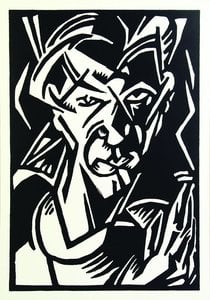
Sándor Bortnyik: Tkálec stínů a symbolismu
Sándor Bortnyik (1893–1976) zůstává hluboce záhadnou postavou v dějinách maďarského umění, umělcem, jehož dojmová díla stále rezonují mocným spojením symbolismu, expresionismu a architektonické přesnosti. Narodil se v Marosvásárhely v Transylvánii – tehdy části Království Maďarsko – a jeho život byl poznamenán vyhnanstvím i uměleckou evolucí, která z něj nakonec učinila jeden z nejvýraznějších hlasů jeho generace. Jeho odkaz nespočívá pouze v rozsáhlém souboru obrazů a grafických návrhů, ale také v jeho klíčové roli pedagoga, který v rámci principů školy Bauhaus podpořil novou vlnu maďarských umělců.
Raný život a vlivy
Bortnyikovo rané umělecké vzdělávání začalo v Budapešti, kde byl okamžitě přitahován živou energií fauvistického hnutí. Politické otřesy po první světové válce však přinesly nutnost exilu, který ho v roce 1922 dovedl až do Weimaru. Tato relokace se ukázala jako transformativní; vtáhla ho do revolučního prostředí školy Bauhaus. Principy funkcionalismu, geometrické abstrakce a důraz na řemeslnou zručnost hluboce ovlivnily jeho umělecký rozvoj. Studoval u mistrů jako Johannes Itten a Lyonel Feininger, od nichž vstřebával jejich filosofie a zároveň si utvářel vlastní, unikátní vizuální jazyk. Vliv kubismu je v jeho raných dílech zřejmý zejména v fragmentaci forem a průzkumu mnoha perspektiv – technice, kterou později mistrovsky propojil se symbolickou obrazností.
Mistr komerčního umění a grafického designu
Navzdory svému zapojení do avantgardních hnutí byla Bortnyikova kariéra neoddělitelně spjata se světem komerčního umění. Rychle si vybudoval pověst vysováného designéra plakátů, pro které vytvářel údernou vizuální komunikaci pro širokou škálu klientů – od výrobců parfémů jako Savoly až po tabákové společnosti, například Modiano. Tyto plakáty nejsou pouhou reklamou; jsou to miniaturní dzieła umění, charakterizovaná odvážnými barvami, dynamickými kompozicemi a často prostupující pocitem melancholie či předznamenání. Jeho návrhy byly pro svou dobu překvapivě inovativní a do maďarského trhu vnesly estetiku modernismu a konstruktivismu.
Ateliér a odkaz Bauhausu
V roce 1928 Bortnyik založil „Ateliér“ (Mühely), soukromou uměleckou školu v Budapešti, která se stala zásadním inkubátorem maďarských uměleckých talentů. Čerpaje z principů Bauhausu kladl důraz na experimentování s materiály, technikami a koncepčními přístupy. Jeho učební osnovy podněcovaly ducha inovace a povzbuzovaly studenty k zpochybňování tradičních představ o tvorbě. V letech 1949 až 1956 působil také jako ředitel Maďarské akademie výtvarného umění, čímž formoval uměleckou krajinu poválečného Maďarska. Jeho oddanost vzdělávání však sahala daleko za rámec formální výuky; aktivně se snažil své studenty vystavit mezinárodnímu vývoji v oblasti umění a designu, čímž podpořil mezikulturní dialog, který obohacoval jejich tvůrčí praxi.
Témata smrti, proměny a městské krajiny
Bortnyikovo dílo je hluboce provázáno tématy smrti, rozkladu a transformace. Jeho nejslavnější práce – často označované jako „tunelové malby“ – zobrazují klaustrofobické prostory naplněné zkroucenými postavami, fragmentovanými tvary a všudypřítomným pocitem neklidu. Tyto obrazy vyvolávají psychickou úzkost moderní éry a odrážejí fascinaci smrtelností i křehkostí lidské existence. Použití tmavých barev, dramatického světla a symbolické obraznosti – jako jsou lebky, hnijící květiny či osamělé postavy – vytváří atmosféru hluboké melancholie. Přesto se uprostřed této temnoty často objevuje náznak naděje nebo odolnosti, naznačující možnost obnovy a znovuzrození. Jeho malby často zachycují městské krajiny, které zachycují izolaci a odcizení moderního života, zatímco zároveň zkoumají krásu a tajemství skryté ve stínech města.
Bortnyikovo dílo je i nadále studováno a obdivováno pro svou dojmovou krásu, technickou dokonalost a hluboké zkoumání lidské kondice. Zůstává klíčovou postavou v dějinách maďarského umění, svědectvím o síle umělecké vize a trvajícím odkazu hnutí Bauhaus.



 Zobrazit v interiéru
 Přepnout na tiskové verze
 Odeslat
 Sdílet
 Podrobnosti
 Průvodce

 Stáhnout obrázek
 Podobné kousky
 Rentgenové snímky
 Slideshow
 Statistiky
 Přečíst si více