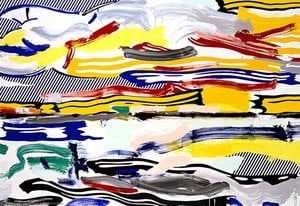
The Genesis of a Pop Visionary
Roy Fox Lichtenstein, narozený 27. října 1923 v pulzujícím New Yorku, nezměnil podstatně tvář dvacátého století umění. Jako klíčová postava pop-artového hnutí se neomezoval na odrážení své doby; aktivně ji zkoumal, transformací běžných obrazů v přesvědčivé umělecké prohlášení. Jeho výchova v prosperující židovské rodině ve střední třídě formovala jak kulturní povědomí, tak ranou uměleckou tendenci. Dětství strávené v muzeích a při koncertech, doplněné hlubokou oblibou jazzové hudby, položilo základy kreativního ducha, který by zpochybnil tradiční představy o vysokém umění. Ačkoli byl na počátku přitahován realistickým kreslením a malbou, Lichtensteinova formální podpora začala v roce 1939 na Art Students League v New Yorku pod vedením Reginalda Marshe, následovaná studiem na státní universitě v Ohiu – krátce přerušené vojenslou službou. Tyto zkušenosti poskytly robustní technickou základnu, kterou později brilantně zrekonstruoval skrze lupu masové kultury a komerčních estetických hodnot. Semínka jeho charakteristického stylu nebyla semena v zasvěcených prostorách umělecké tradice, ale spíše ve často přehlíženém světě každodenních obrazů, zejména komiksových stripů a reklamy.
Od Abstraktního Výraznictví k Převzetí: Klíčový Překlápění
Raná tvorba Lichtensteina jasně ukazovala zapojení do abstraktního výjivrčího umění, odrážející dominantní estetické trendy po válce. Tato fáze však byla přechodná, průmyslový kámen k jeho revolučnímu stylu. Klíčový okamžik nastal během jeho působení na Rutgers University, kde potkal Allana Kaprowa, čímž se znovu rozsvítila Lichtensteinova zájem o proto-popové obrazy. Tato setkání vyvolala kritické posunutí v jeho uměleckém směru, vedoucí ho k zpochybnění stanovených hranic mezi „vysokým“ a „nízkým“ uměním. Začal hledat za hranice subjektivního vyjádření abstraktního výjivrčího umění a zaměřil se na objektivní jazyk populární kultury – konkrétně komiksových stripů a reklamy. Rok 1961 znamenal obrat s *Look Mickey*, dílem, které odvážně přebíralo postavy z Disneyových komiksů, signalizující začátek jeho charakteristického stylu. Nebyla to pouhá kopie komiksových stripů; byla to umělecký akt re-hodnocení, který posouval běžné obrazy na status vysokého umění. Nevytvořil jen kopie komiksových stripů; pečlivě je reprodukoval pomocí technik napodobujících komerční tiskové procesy, záměrně rozmazával hranice mezi původním uměleckým dílem a masovou produkcí. Toto přejímání nebylo o bezkritickém oslavování spotřebitelské kultury, ale spíše o zkoumání jejího všudypřítomného vlivu na americkou společnost a zpochybňování tradičních uměleckých hierarchií.
Jazyk Ben-Dayových Bodů a Odvážných Čar
Lichtensteinův umělecký slovník je okamžitě rozpoznatelný: výrazné, primární barvy, silné černé obrysy a především Ben-Dayovy body – technika přímo vypůjčená z mechanického tisku komiksových stripů. Tyto body nebyly jen dekorativní; byly nedílnou součástí jeho koncepčního rámce, reprezentující samotný proces masové výroby a zpochybňující tradiční důraz na umělecké ruce. Jeho obrazy často zvětšovaly detaily z komiksových stripů do monumentálních rozměrů, nucíc diváky čelit estetickým kvalitám uměleckého projevu, který je obvykle odsouzen k triviálnosti. Díla jako *Whaam!* (1963), *Drowning Girl* (1963) a *Oh, Jeff…I Love You, Too…But…* (1964) se stala ikonickými reprezentacemi pop-artu, zachycujícími úzkosti a touhy americké společnosti v rychlé změně. Tyto díla nebyly jen zobrazení komiksových scén; byly komentáři témat války, romantiky a společenských očekávání, filtrované skrze vizuální jazyk masmédií. Jeho cílem bylo odstranit jakýkoliv umělecký subjektivní předpoklad, prezentovat svou práci jako objektivní odraz americké společnosti – zrcadlo, které se dívá na její vlastní vyrobenou realitu. Záměrná plochost a absence malířského gesta dále zdůrazňovaly toto oddělení, napodobujíc neosobnost komerčního tisku.
Dědictví a Trvalý Dopad
Vliv Roye Lichtensteina se rozšiřuje daleko za hranice malby. Jeho inovativní použití komerčních technik a přejímání položil základy pro nové generace umělců, kteří zkoumali témata spotřebitelské kultury, mediální saturace a kulturní identity. Prodej *Masterpiece* v roce 2017 za 165 milionů dolarů upevnil jeho pozici mezi nejúspěšnějšími americkými umělci všech dob, ale jeho dědictví není definováno pouze finanční hodnotou. Zpochybnil tradiční představy o umělecké autorské právu a originalitě, nucíc k přehodnocení toho, co se považuje za „umění“ samotné. Jeho dílo nadále inspiruje grafické designéry, ilustrátory a vizuální umělce v různých oborech.
- Klíčové úspěchy: Zavedl pop-artový styl; dosáhl mezinárodního uznání díky průkopnickým výstavám.
- Významná díla: *Whaam!*, *Drowning Girl*, *Oh, Jeff…I Love You, Too…But…*, *Masterpiece*.
- Pedagogická kariéra: Ovlivnil nadějné umělce na státní univerzitě v Oswegu a Rutgers University.
Lichtenstein zemřel 29. září 1997 a zanechal dílo, které zůstává stejně relevantní a provokativní jako během vrcholu pop-artového hnutí. Jeho umění slouží jako silný připomínka všudypřítomného vlivu masmédií a její schopnosti formovat naše vnímání reality. Nevytvořil jen odraz své doby; aktivně ji zkoumal, zanechal nezapomenutelný otisk v historii 20. století umění a nadále inspiruje kritickou diskusi o vztahu mezi uměním, kulturou a obchody.
Jeho dílo je svědectvím o síle přejímání, kráse každodennosti a trvalém dopadu skutečně vizionářského umělce.



 Zobrazit v interiéru
 Objednat ručně malovanou reprodukci
 Odeslat
 Sdílet
 Podrobnosti
 Průvodce

 Stáhnout obrázek
 Podobné kousky
 Rentgenové snímky
 Slideshow
 Statistiky

 Přečíst si více






































 Skleněná varianta je dostupná pouze u rozměrů menších než 110 cm