BEZPLATNÉ UMĚLECKÉ PORADENSTVÍ

x
Objednat reprodukci Objednat reprodukciKoupit digitální obrázek Koupit digitální obrázek SdíletSdílet
PodrobnostiPodrobnosti Přidat do oblíbených Přidat do oblíbených StáhnoutStáhnout Podobné položkyPodobné položky Rentgenové snímkyRentgenové snímky SlideshowSlideshow

Highland Raid

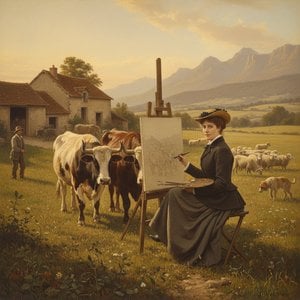
Rosa Bonheur Experience the raw beauty of Rosa Bonheur’s ‘Highland Raid,’ a captivating depiction of shepherds guiding cattle through a stormy mountain landscape—a masterpiece of Realist art and animal observation.

Rosa Bonheur (1822-1899) byla revoluční francouzská malířka zvířat, známá pro svou realistickou a detailní tvorbu. Její ikonické dílo "Horse Fair" a precizní obrazy zvířat ji propůjčily status pionýrky ženské umělecké kariéry v 19. století.

Giclée / Umělecký tisk

Giclée nebo plátěný tisk muzeální kvality s rychlou výrobou a flexibilními možnostmi povrchové úpravy.

P118B $10
P118H $10
P118W $10
P438Z $10
P508JH $12
P508YH $12
P805H $10
P805Z $10
P919BZ $10
P919G $10
P919XJ $10
P959ZH $10
P968JZ $12
W106C $8
W218G $10
W218JH $8
W218Y $10
W307PJ $10
W316G $10
W316PJ $8
W316Y $10
W398PJ $8
W4111J $10
W500HY $15
W500JH $15
W692G $12
W849H $8
W940BG $15
W953PJ $8

Standard
custom
CM
INCH

Vyberte si z našich přednastavených velikostí, které odpovídají původním proporcím díla.

šířka
výška

Můžete zadat vlastní rozměry tak, aby výtvor odpovídal konkrétnímu rámu nebo prostoru. Pokud zvolená velikost nebude odpovídat poměru stran původního obrazu, dílo buď ořížeme, nebo obraz rozšíříme pomocí zrcadlového efektu či jednobarevného okraje. Před zahájením výroby vám bude zaslán digitální náhled k schválení.
Mějte prosím na paměti, že náhled na obrazovce neodráží skutečné oříznutí nebo rozšíření. Pouze digitální náhled přesně zobrazí finální kompozici.
Ačkoliv jsou k dispozici i vlastní rozměry, pro zachování původních proporcí doporučujeme vybrat si rozměr z předdefinovaného seznamu.

Celosvětové doručení () do 2 týdnů namísto standardních 4/5 týdnů. (3 červenec)

why_choose_icon
Zdarma celosvětová expresní doprava
why_choose_icon
Vysoce kvalitní lněné plátno
why_choose_icon
Kompletní přepravní pojištění
why_choose_icon
Záruka vrácení celního poplatku
why_choose_icon
Záruka přesného barevného shodu
why_choose_icon
60denní lhůta pro vrácení zboží (pouze při vadách výroby)
why_choose_icon
100% garance vrácení peněz
why_choose_icon
Sleva při hromadné objednávce

Celková cena

-

reproduction

Highland Raid

Giclée / Umělecký tisk

Rozměry reprodukce

-

Celková cena za výběr

-

Základní informace

  • Title: Highland Raid
  • Artist: Rosa Bonheur
  • Subject or theme: Rural landscape; Cattle herding
  • Notable elements or techniques: Detailed anatomical study; Stormy sky
  • Influences: Saint Simonian Philosophy
  • Movement: Realism

Kvíz o umění

U každé otázky je pouze jedna správná odpověď.

Otázka 1:
What is the primary subject matter of ‘Highland Raid’?
Otázka 2:
Rosa Bonheur’s fascination with animals stemmed from her dedication to:
Otázka 3:
The artist’s depiction of the sky suggests that the shepherds are attempting to:
Otázka 4:
What artistic movement is ‘Highland Raid’ associated with?
Otázka 5:
The title 'Highland Raid' refers to a Scottish idiom signifying:

Popis sběratelského kousku

A Shepherd’s Vigil: Rosa Bonheur's Highland Raid

Rosa Bonheur, a name synonymous with uncompromising realism and the audacious spirit of female artistic ambition in an era dominated by male counterparts, captivated audiences with her unparalleled ability to breathe life onto canvas. Born Marie-Rosalie Bonheur in Bordeaux, France, in 1822, she wasn’t merely a painter; she was a fervent devotee of the animal kingdom—a passion that fueled her groundbreaking oeuvre and cemented her place as one of the most influential artists of the Victorian period. Her father, Oscar-Raymond Bonheur, instilled in her a love for landscape painting alongside a profound appreciation for artistic tradition, while Saint-Simonianism’s egalitarian ideals nurtured her independence and intellectual curiosity—a unique upbringing that sculpted an artist destined to challenge conventions. Tragedy struck early when her mother succumbed to illness at the tender age of eleven, yet the Bonheur household remained steadfast in its commitment to creativity and unconventional thinking. This formative experience propelled Rosa towards a singular artistic vision: to depict animals with breathtaking accuracy and emotional depth—a pursuit that would define her entire career. Her fascination extended beyond mere observation; she meticulously studied animal anatomy, driven by an unwavering desire to capture the essence of their physicality and behavior. This dedication is vividly exemplified in “Highland Raid,” arguably Bonheur’s most celebrated work.

The Scene Unfolds: Composition and Technique

Bonheur's masterful technique—characterized by meticulous detail and a profound understanding of light and shadow—is immediately apparent upon viewing this monumental canvas. Executed in oil paints on canvas, the painting showcases a dramatic interplay of color and texture that conveys both the grandeur of the Scottish Highlands and the palpable tension of impending weather. Bonheur employed impasto—thickly applied paint—to sculpt the wooly coats of the cattle and sheep, creating a tactile surface that invites viewers to immerse themselves in the scene’s physicality. The artist skillfully utilized atmospheric perspective, subtly blurring distant mountains and skies to heighten the sense of depth and convey the vastness of the landscape.

Symbolism Rooted in Observation

“Highland Raid” transcends mere representation; it embodies Bonheur's philosophical conviction that art should illuminate the natural world with unflinching honesty. The depiction of a herd of cattle being driven down a mountain path—referred to as “raid”—is laden with symbolic significance. Historically, "raid" signified a journey undertaken under duress, often fraught with danger and uncertainty. Here, it represents not only the physical exertion of the shepherds but also their struggle against the forces of nature – specifically, an approaching storm. This visual metaphor underscores Bonheur’s belief in confronting challenges head-on and embracing the unpredictable rhythms of life.

Emotional Resonance: Capturing Animal Spirit

Perhaps most powerfully, “Highland Raid” succeeds in conveying the spirit of its subjects—the animals themselves. Bonheur's unwavering commitment to anatomical accuracy is evident in her meticulous rendering of muscle structure and bone placement, capturing not just their appearance but also their inherent vitality. The artist’s gaze isn’t merely descriptive; it communicates empathy and respect for these creatures, inviting viewers to contemplate the beauty and resilience found within the natural world. As Bonheur herself eloquently stated, “I was easier in mind when this leonine pet gave up the ghost,” reflecting her profound connection with animals and her artistic mission to honor their inherent dignity.
  • Artist: Rosa Bonheur
  • Year Painted: Unknown
  • Medium: Oil on Canvas
  • Dimensions: Unknown

Biografie umělce

A Life Immersed in the Animal World

Rosa Bonheur, born Marie-Rosalie Bonheur in 1822 Bordeaux, France, wasn’t simply a painter of animals; she was an interpreter of their very essence. Her name resonates through art history as a beacon of realism and a testament to female artistic ambition in a period dominated by male figures. Born into a family steeped in artistic tradition – her father, Oscar-Raymond Bonheur, was a landscape and portrait painter – young Rosalie’s path wasn’t predetermined but nurtured. The family’s embrace of Saint-Simonianism, a progressive socialist philosophy advocating for equal education for both sexes, proved particularly formative, instilling in Rosa a sense of independence and intellectual curiosity that would define her life and work. Tragedy struck early with the loss of her mother at age eleven, yet the Bonheur household remained a haven for creativity and unconventional thinking. This unique upbringing laid the foundation for an artist who would challenge societal norms as boldly as she captured the raw beauty of the natural world.

From Humble Beginnings to Salon Success

The family’s relocation to Paris in 1828 marked a turning point, providing Rosa with access to formal artistic training. Initially, her studies followed conventional lines – copying from drawings and sketching plaster models. However, it was the animals surrounding Paris that truly captured her imagination. Horses, cattle, sheep, goats—she observed them relentlessly, not merely as subjects for art but as living beings deserving of meticulous study. This dedication to direct observation became the cornerstone of her artistic style. Her father actively encouraged this passion, even bringing live animals into their studio for Rosa to dissect and analyze. This hands-on approach, combined with visits to Parisian abattoirs to understand animal anatomy, set her apart from many contemporaries who relied on second-hand depictions. Her breakthrough arrived in 1849 with *Ploughing in the Nivernais*, a work that garnered immediate attention at the Paris Salon and signaled the arrival of a significant new talent. But it was *The Horse Fair*, completed between 1853 and 1855, that cemented her international fame. This monumental canvas, now housed in New York’s Metropolitan Museum of Art, pulsates with energy and anatomical precision, depicting the chaotic yet captivating spectacle of a bustling horse market. Even Queen Victoria herself was captivated by its power and realism.

A Style Rooted in Realism and Observation

Rosa Bonheur's artistic style wasn’t about romanticizing animals; it was about portraying them with unwavering honesty and detail. She eschewed sentimentality, opting instead for a scientific approach to her subjects. Her paintings are characterized by their anatomical accuracy, dynamic compositions, and an ability to capture the unique personality of each creature. This commitment to realism extended beyond mere physical representation. Bonheur sought to understand the animals’ movements, behaviors, and even their emotional states. She often worked *en plein air*, directly observing her subjects in their natural environments, a practice that further enhanced the authenticity of her work. Her technique involved careful layering of paint and a masterful use of light and shadow to create depth and texture, bringing each animal vividly to life on canvas. The influence of artists like Nicolas Poussin and Peter Paul Rubens is evident in her compositions, but she always grounded her work in meticulous observation and anatomical study.

A Pioneer for Women in Art

Rosa Bonheur’s legacy extends far beyond her artistic achievements; she became an icon for women striving for recognition in the male-dominated art world. She defied convention not only through her professional success but also through her personal choices. Famously, she often wore men's clothing while working with animals, citing practicality and freedom of movement – a bold statement that challenged societal expectations. She secured commissions from governments and private collectors alike, proving that female artists could achieve the same level of acclaim as their male counterparts. Her success paved the way for future generations of women artists, inspiring them to pursue their passions without compromise. Bonheur’s life story serves as a powerful example of artistic independence and determination. Her paintings continue to be celebrated in major museums worldwide, serving as a reminder of her enduring contribution to art history and her unwavering commitment to portraying the beauty and dignity of the animal kingdom.

Enduring Influence and Lasting Legacy

The impact of Rosa Bonheur’s work continues to resonate today. Her dedication to realism influenced countless artists, and her paintings remain admired for their technical skill and emotional depth. She demonstrated that art could be both scientifically accurate and profoundly moving, bridging the gap between observation and interpretation. Beyond her artistic contributions, Bonheur's life story serves as a powerful example of female empowerment and artistic independence. She challenged societal norms, defied expectations, and ultimately achieved lasting recognition on her own terms. Her legacy is not merely one of beautiful paintings but also of courage, determination, and a unwavering commitment to her craft. Her work continues to inspire artists and art lovers alike, reminding us of the power of observation, the beauty of the natural world, and the importance of pursuing one’s passions with conviction.

Rosa Bonheur

Rosa Bonheur

1822 - 1899 , Francie

Rychlé fakta

  • Artistic Movement Or Style: Realismus, Animalière
  • Artists Or Movements Influenced By This Artist: ['Saint-Simonianism']
  • Artists Who Influenced This Artist:
    • Poussin
    • Rubens
  • Date Of Birth: 16. března 1822
  • Date Of Death: 25. května 1899
  • Full Name: Marie-Rosalie Bonheur
  • Nationality: Francouzská
  • Notable Artworks:
    • Ploughing
    • Horse Fair
  • Place Of Birth: Bordeaux, Francie