Biografie umělce
A Master of Emotion: The Life and Legacy of Rogier van der Weyden
Rogier van der Weyden, známý také jako Roger de la Pasture, byl klíčovou postavou rané nizozemské malířské školy. Jeho život a dílo jsou plná zajímavostí a odhalují fascinující pohled do uměleckého prostředí 15. století. Narodil se kolem roku 1400 v živém městě Tournai, ležícím v dnešní Belgii, a jeho rané roky byly spojeny s řemeslem zlatníka – tradicí, která ovlivnila jeho preciznost a cit pro detail, které se později staly charakteristickými rysy jeho mistrovských děl. Zlatnická práce vyžadovala neochvějnou pečlivost a zručnost, což se jistě promítlo do dokonalého zpracování textur, látek a výrazů, které definují jeho nejvýznamnější díla. Van der Weyden nebyl jen reprodukce reality; spíše ji vytvářel s neuvěřitelnou přesností, obohacenou téměř zbožným respektem k detailu.
From Tournai to Brussels: A Rising Star
K roku 1427 se van der Weyden stal mistrem v řemesle svatého Lukáše v Tournai, což byl důkaz jeho rostoucího talentu a schopností. Tato událost představovala zásadní obrat ve jeho kariéře, posilující jeho postavení jako profesionálního umělce a otevírající mu dveře k významným zakázkům. Jeho povědomí dále stoupalo, když vstoupil do služeb Filipa Dobrého, vévody z Burgundska, v roce 1435 – patronát, který zásadně ovlivnil jeho kariéru po zbytek života. Služba u dvora mu nejen zajistila finanční zabezpečení, ale také mu poskytla přístup k elitní společnosti a vystavení se pohledům nejvlivnějších osobností té doby. Během této éry se jeho umělecké vize začala zralit, odklánějíc se od rigidních konvencí raných nizozemských malířů směrem k emotivně bohatší a naturalistickému přístupu. Nejednalo se jen o obrazování náboženských scén; usiloval o vyvolání skutečných pocitů u diváka, o vytvoření zážitku, který přesahuje pouhé pozorování.
The Language of Feeling: Style and Technique
Umělecký podpis Rogiera van der Weydena je okamžitě rozpoznatelný několika klíčovými charakteristikami. Jeho paleta byla mimořádně bohatá a rozmanitá, živá tapisérie barev pečlivě vybraných tak, aby se vyhnula opakování a vytvořila hloubku a komplexnost v jeho kompozicích. Vlastnil neobyčejnou schopnost vyjadřovat hluboké emoce – *pathos* – zejména ve scénách zobrazujících náboženské motivy, jako je Lamentace, kde smutek a bolest jsou znatelné. Tento emocionální intenzitní výraz nebyl dosažen dramatickými gesty nebo přehnanými výrazy; spíše byl jemně vpleten do samotného tkaniva obrazu, vyjádřený subtilními nuancemi tváří, těla a kompozice. Jeho postavy, i když dodržovaly konvence doby, demonstrují rostoucí zájem o realistické zobrazení – nejen anatomii a oděvy, ale také o zachycení psychologických stavů svých subjektů. Mají důstojný, téměř sochařský vzhled, zejména ve svých monumentálních triptychích, které jim dodávají vážnost a úctu. Mistrně využíval olejovou techniku, budoval vrstvené, průsvitné glazury k dosažení luminózních efektů a vytvoření dojmu hloubky a realismu, který byl revoluční pro svou dobu.
Notable Works and Enduring Masterpieces
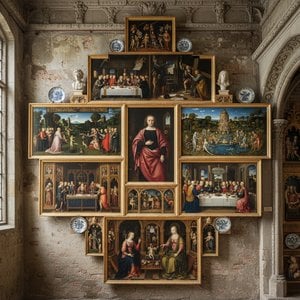
Během své plodné kariéry vytvořil van der Weyden mnoho děl, která jsou svědectvím jeho uměleckého mistrovství. *St Luke Drawing a Portrait of the Madonna*, vystavené v Muzeu umění ve Bostonu, ukazuje jeho mistrovské zvládnutí oleje na panelu a pečlivé pozorování. *Lamentace*, umístěné v Musée des Beaux-Arts Tournai, Belgie, je bezesporu jeho nejvýznamnějším dílem – dramatická a emotivní scéna z křesu Krista s důrazem na smutek a bolest. Několik verzí obrazu *The Deposition* existuje, každá demonstruje jeho schopnost vyjádřit hluboké emoce s dechberoucí citlivostí. *Annunciation*, mistrovské dílo zdobné elegance a pozornosti k detailu, ukazuje jeho schopnost obohacovat i tradiční témata o pocit svěžesti a vitality. A konečně, složitý a bohatě zdobený triptych *Bladelin* představuje monumentální úspěch – komplexní oltářní obraz, který demonstruje celý rozsah van der Weydenova uměleckého talentu. Tato díla, spolu s mnoha dalšími, stále fascinují diváky po celém světě a posilují jeho pozici jako jednoho z nejvýznamnějších malířů 15. století.
Historical Significance and Legacy
Rogier van der Weyden byl nejen významným umělcem, ale také průkopníkem v oblasti olejové techniky a realistického vyobrazení emocí v umění. Jeho díla měla obrovský dopad na další generace malířů, inspirující je k experimentování s novými technikami a k zkoumání hlouběji lidské zkušenosti. Díky svému talentu a inovativnímu přístupu se stal jedním z nejvlivnějších umělců své doby a jeho dílo zůstává důkazem trvalého vlivu, který měl na vývoj evropského umění. Jeho práce jsou dodnes vystaveny v předních galeriích po celém světě, přičemž jejich krásu a emocionální hloubku si mohou ocenit milovníci umění po celém světě.



 Zobrazit v interiéru
 Přepnout na tiskové verze
 Odeslat
 Sdílet
 Podrobnosti
 Průvodce

 Stáhnout obrázek
 Podobné kousky
 Rentgenové snímky
 Slideshow
 Statistiky


 Přečíst si více






































 Skleněná varianta je dostupná pouze u rozměrů menších než 110 cm