


Giclée nebo plátěný tisk muzeální kvality s rychlou výrobou a flexibilními možnostmi povrchové úpravy. ( Koupit ručně malovaný obraz Koupit obrázek)





























Vyberte si z našich přednastavených velikostí, které odpovídají původním proporcím díla.

Můžete zadat vlastní rozměry tak, aby výtvor odpovídal konkrétnímu rámu nebo prostoru. Pokud zvolená velikost nebude odpovídat poměru stran původního obrazu, dílo buď ořížeme, nebo obraz rozšíříme pomocí zrcadlového efektu či jednobarevného okraje. Před zahájením výroby vám bude zaslán digitální náhled k schválení.
Mějte prosím na paměti, že náhled na obrazovce neodráží skutečné oříznutí nebo rozšíření. Pouze digitální náhled přesně zobrazí finální kompozici.
Ačkoliv jsou k dispozici i vlastní rozměry, pro zachování původních proporcí doporučujeme vybrat si rozměr z předdefinovaného seznamu.
Celosvětové doručení () do 2 týdnů namísto standardních 4/5 týdnů. (7 září)


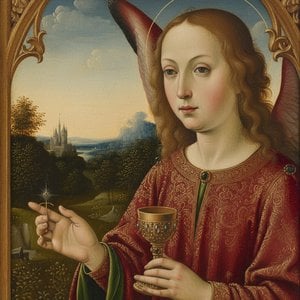
The Annunciation (detail) (8)
Rozměry reprodukce
Rogier van der Weyden's "The Annunciation," a detail from his monumental St Columba Altarpiece, stands as an unparalleled achievement in Early Netherlandish painting—a testament to meticulous observation and profound spiritual contemplation. Completed around 1440 during the height of Burgundian artistic fervor, this panel captures a pivotal biblical narrative: Gabriel informing Mary about her divine conception.
Beyond its striking visual beauty lies a rich tapestry of symbolism. The lily, prominently displayed in Gabriel’s hand, embodies Mary's virginity and holiness—a cornerstone of Christian theology. Similarly, the open book symbolizes divine knowledge and God’s word, representing the unfolding plan of salvation. Van der Weyden skillfully integrates these emblems into the composition, inviting viewers to contemplate deeper spiritual truths.
"The Annunciation" resonates powerfully with viewers centuries after its creation. Its expressive faces convey palpable emotion—Gabriel’s earnest concern for Mary and Mary’s serene acceptance of God’s divine will—capturing the essence of human experience within a sacred context. This masterpiece continues to inspire artists and scholars alike, cementing Rogier van der Weyden's place as one of the foremost figures in Early Netherlandish art and demonstrating the enduring power of visual storytelling.


1400 - 1464 , Belgie
Embark on a journey through the luminous world of Early Netherlandish art. Discover the revolutionary oil techniques, microscopic realism, and sacred symbolism used by masters like Jan van Eyck to redefine Western art history in this expert-led guide.

 Náhled
 Sdílet
 Sdílet
 Podrobnosti o díle

 Stáhnout
 Podobné položky
 Rentgenové snímky
 Slideshow


 Zobrazit více







 Skleněná varianta je dostupná pouze u rozměrů menších než 110 cm


