


Giclée nebo plátěný tisk muzeální kvality s rychlou výrobou a širokou nabídkou povrchových úprav. ( Koupit ručně malovaný obraz Přepnout na digitální obraz)





























Vyberte si z našich přednastavených velikostí, které odpovídají původním proporcím díla.

Zadejte šířku a výšku, které potřebujete pro váš rám nebo stěnu. Tisk lze pouze oříznout, nikdy však nelze zvětšit obraz nad jeho původní rozměr, proto při výběru jiného formátu dochází ke ztrátě části obrazu. Před samotným tiskem vám zašleme digitální náhled k schválení. Obraz zobrazený na této stránce nenabízí skutečný výřez — ten uvidíte pouze v náhledu.
Celosvětové doručení () do 2 týdnů namísto standardních 4/5 týdnů. (8 listopad)
Crucifixion
Rozměry reprodukce
In the quiet sanctity of the 15th century, few works captured the profound intersection of human agony and divine grace as poignantly as Rogier van der Weyden’s Crucifixion. Executed in 1445, this monumental achievement of Early Netherlandish art serves as more than a mere religious icon; it is a visceral window into the soul of the Burgundian era. As viewers encounter the central figure of Jesus Christ suspended upon the cross, they are not simply observing a biblical event, but are invited into a shared moment of profound theological contemplation. The painting transcends the boundaries of its medium, utilizing a masterful command of light and shadow to bridge the gap between the earthly realm and the spiritual infinite.
The brilliance of Van der Weyden lies in his ability to marry technical precision with an almost overwhelming emotional depth. His technique, characterized by the meticulous layering of translucent glazes, creates a luminous quality that seems to radiate from within the figures themselves. This painstaking process allows for a textural richness that makes the heavy fabrics and the wounded flesh of the martyrs feel palpably real. Through the subtle use of chiaroscuro, the artist sculpts the forms of Mary Magdalene, John, and Christ against a turbulent, atmospheric sky, using dramatic contrasts to emphasize their vulnerability. Every brushstroke is a testament to his former training as a goldsmith, bringing a refined sensibility for detail that elevates the scene from a historical depiction to a living, breathing drama.
To understand the Crucifixion, one must look toward the fervent piety of the Burgundian court during the reign of Philip IV. This was an age where art served as a primary conduit for religious devotion and a reflection of aristocratic prestige. Van der Weyden masterfully weaves complex symbolism into the composition to inspire this very sense of reverence. The presence of the angels, positioned strategically within the celestial periphery, serves to remind the faithful of the divine oversight presiding over the earthly suffering. The balanced composition, while structurally sound, is intentionally designed to guide the eye through a cycle of grief—from the stoic sorrow of John to the agonizing empathy of the onlookers.
For the discerning collector or interior designer, this work offers an unparalleled opportunity to introduce a sense of historical gravity and contemplative peace into a space. A high-quality reproduction of this masterpiece does not merely decorate a wall; it anchors a room with its profound narrative weight. The interplay of light and dark within the painting provides a sophisticated visual texture that complements both classical and contemporary settings, offering a focal point that invites long periods of reflection. It is an investment in art that speaks to the timeless human experience of resilience, faith, and the enduring power of beauty amidst sorrow.
„Crucifixion“ od Rogier van der Weyden je kompozice ve formátu Tall o původních rozměrech 47 x 31 cm.
Dílo „Crucifixion“ od Rogier van der Weyden pochází z období Renaissance. Toto období poskytuje dílu historický kontext.
Barevná kompozice díla „Crucifixion“ od Rogier van der Weyden spojuje Statement kontrast s Softly Mixed Palette harmonií.


1400 - 1464 , Belgie
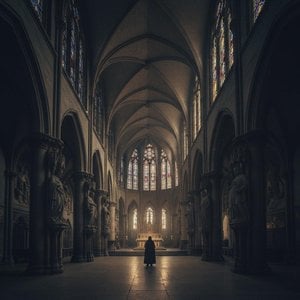
Embark on a journey through the dramatic era of Gothic art. Discover the profound beauty of illuminated manuscripts, sacred gold leaf masterpieces, and the transition to naturalism in this expert-led exploration of medieval artistry and historical grandeur.
 Náhled v interiéru
 Sdílet
 Sdílet
 Podrobnosti o díle
 Průvodce

 Stáhnout
 Podobné položky
 Rentgenové snímky
 Slideshow
 Otázky a odpovědi
 Statistiky

 Zobrazit více









 Skleněná varianta je dostupná pouze u rozměrů menších než 110 cm


