


Koupě vysoce rozlišeného, vylepšeného digitálního obrazu, který je mnohem kvalitnější než online náhled.
Každý soubor je pečlivě připraven našimi odborníky pomocí pokročilých nástrojů a expertní manuální retuše. Zajišťujeme, aby každý obraz disponoval výjimečnou ostrostí, přesnou barevnou věrností a jemnými detaily.
Finální soubor vám bude do 72 hodin zaslán e-mailem, optimalizovaný pro okamžité použití v profesionálním, redakčním i tiskovém prostředí. Nabízíme stejnou kvalitu, které důvěřují špičková designová studia, nakladatelství i galerie.
Stáhněte si soubor ve vysokém rozlišení pro osobní prohlížení, tisk a kreativní projekty. ( Koupit tisk Koupit ručně malovaný obraz)
Když si vyberete WahooArt.com, nezískáváte pouze obrázek – získáváte digitální umělecké dílo s profesionálně vylepšenými detaily, zpracované s precizností a podpořené zárukou za spokojenost. Zde je vše, co vaše objednávka automaticky obsahuje:

Váš digitální obraz ve vysokém rozlišení vám bude zaslán e-mailem do 72 hodin od objednávky – připraven k okamžitému použití.

Vaše umělecké dílo je profesionálně optimalizováno pomocí pokročilých nástrojů umělé inteligence a manuální úpravy, což zajišťuje maximální úroveň detailu, ostrosti a přesnosti barev.

Soubor jste omylem smazali nebo ztratili? Žádný problém – kdykoliv vám ho znovu zašleme zcela zdarma.

Užijte si své umělecké dílo okamžitě bez celních poplatků, daní nebo nákladů na dopravu – digitální stažení je vždy bez daňových povinností.

Pomocí profesionálních nástrojů a správy barev zajišťujeme, aby váš digitální obraz odrážel původní barvy co nejvěrněji.

Pokud nebudete s digitální fotografií spokojeni, provedeme její revizi nebo vám vrátíme 100% během 100 dnů – bez jakýchkoliv dotazů.

Nespokojeni? Získejte plnou částku zpět do 100 dní od přijetí vašeho digitálního souboru – bez jakýchkoliv dotazů.

Koupěte si 3 obrazy, ušetřete 10% - Koupěte si 5, ušetřete 15% - Koupěte si 10+, ušetřete 20%. Ideální pro kreativní projekty, galerie a agentury.

The history of Porcelanas Bidasoa is more than a mere chronicle of industrial production; it is a profound narrative of resilience, artistry, and the enduring spirit of Gipuzkoa. Emerging from the turbulent landscape of post-Spanish Civil War Spain, this legendary institution was founded in 1935 by Pablo and Gabino Otxotekoa. Their vision was to transform the town of Irun into a beacon of ceramic excellence, a dream that faced immediate devastation when their initial factory was destroyed during the conflict. Yet, from these ashes, a remarkable reconstruction began. By drawing upon the prestigious technical expertise of Limoges—the famed French heart of porcelain artistry—and securing vital investments, Bidasoa rebuilt its infrastructure, setting the stage for a journey that would eventually capture the imagination of the international art world.
As the decades unfolded, the factory’s evolution became a mirror to the changing tides of European design. During the mid-twentieth century, particularly between 1948 and 1954, the company looked backward with reverence to honor the grandeur of defunct European royal manufacturers. Their artisans masterfully recreated the elegance of the Neapolitan Capodimonte and the storied Spanish firms Buen Retiro and Moncloa. These pieces, characterized by their exquisite transparent glazes and intricate gilt decorations, brought a sense of aristocratic nostalgia to the modern era. The craftsmanship was so precise that even the functional elements, such as the rectangular sections of handles on soup tureens, were designed with a meticulous eye for both ergonomic grace and structural integrity.
The true metamorphosis of Porcelanas Bidasoa occurred when the company embraced the avant-garde. The period spanning the 1960s through the 1980s marked a revolutionary departure from classical tradition, driven by the visionary designs of Manuel Barbadillo. This era introduced bold geometric forms and vibrant color palettes that broke away from the delicate floral motifs of the past, injecting a sense of contemporary dynamism into the porcelain medium. It was during this golden age of innovation that Bidasoa achieved its most prestigious milestone: collaborations with some of the greatest titans of twentieth-century art, including Pablo Picasso and Salvador Dalí. These partnerships allowed the company to transcend the boundaries of functional tableware, turning everyday objects into canvases for surrealism and cubist expression.
This spirit of experimentation was not limited to form alone but extended into decorative techniques as well. By the 1970s, the introduction of series such as Bidasoa 80 showcased a mastery of modern aesthetics, even as the firm maintained its commitment to classic lines through recreations like the Carlos IV model. This delicate balance between honoring the past and embracing the future ensured that Büssoa remained an international benchmark for quality. The factory’s ability to marry the industrial precision of mass production with the soulful touch of fine art created a unique aesthetic language that resonated far beyond the borders of Spain.
Despite the economic challenges and mounting debts that eventually threatened its financial stability toward the end of the twentieth century, the cultural impact of Porcelanas Bidasoa remains unshakeable. The company’s legacy is preserved not just in museums, but in the very identity of the Gipuzkoa region. Today, much of this invaluable heritage is safeguarded by Gordailua, the Gipuzkoa Heritage Collection Centre. This collection serves as a vital repository for the thousands of pieces that define an era, ranging from industrial artifacts to high-art ceramics.
The historical significance of Porcelanas Bidasoa can be summarized through its enduring contributions:
Though the factory's physical production eventually ceased, the echoes of its kilns continue to resonate. Porcelanas Bidasoa remains a symbol of how industrial ambition, when wedded to artistic passion, can create a legacy that survives even the most turbulent historical shifts.
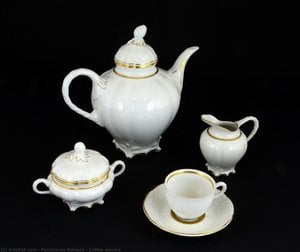
2009 , Spain

 Náhled
 Sdílet
 Sdílet
 Podrobnosti o díle

 Stáhnout
 Podobné položky
 Rentgenové snímky
 Slideshow
 Zobrazit více


