A Life Rooted in Renaissance Transformation
Pieter Bruegel the Elder emerged během hluboké transformace, doby, kdy se umělecký obraz Evropy posouvalo z ideálů italského Renesansu k rostoucím složitostem severoevropského vyjádření. Narodil se přibližně mezi lety 1525 a 1530, pravděpodobně v Břeclavi – i když detaily jeho raného života zůstávají částečně mlhavé – a jeho formující roky probíhaly uprostřed náboženských nepokojů a rozkvětu obchodní kultury. Začal svou uměleckou cestu kolem roku 1545 jako učně Petra Coeck van Aelsta, respektovaného malíře z Antverp, známého jak svým uměním, tak návrhy na tapisérie. Toto učebnictví mu poskytlo pevné základy v technických dovednostech olejové malby a kreslení, ale především ho vystavilo humanistickým proudům, které začaly pronikat intelektuální kruhy. Van Aelstův ateliér nebyl jen místo uměleckého výcviku; byl to klych, kde se tradiční techniky setkávaly s novými myšlenkami, utvářející Brueglova budoucí vizi.
Wanderings and the Forging of a Unique Vision
Po ukončení učebnictví se Bruegel vydal na rozsáhlé cesty, které nepochopitelně ovlivnily jeho umělecký vývoj. Mezi lety 1551 a 1553 cestoval Francií, Švýcarskem a Itálií, kde kreslil krajiny a ponořil se do různých kultur. Tyto cesty nebyly pouhé turistické zájezdy; byly expedicemi pozorování a učení. Při návštěvě Itálie Bruegel setkal s dílama renesančních mistrů, ale jeho umělecký temperament zůstal typicky severoevropský. Nevyužíval italské styly jen tak, ale spíše je absorboval a filtroval skrze svůj vlastní cit. Alpy, se svými dramatickými vrcholy a údolími, zanechali trvalý dojem na jeho kompozici a atmosférickou perspektivu, které jsou patrné v mnoha jeho pozdějších krajinách. Po návratu do Antverp v roce 1553 byl přijat jako volný mistr do cechu svatého Lukáše, což znamenalo jeho profesní nezávislost a etabloval ho jako uznávaného umělce v živé umělecké komunitě města.
Beyond Myth and Religion: A New Focus for Art
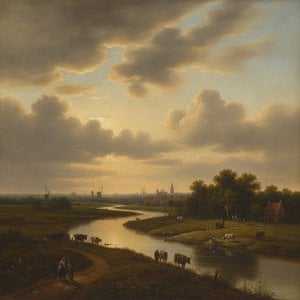
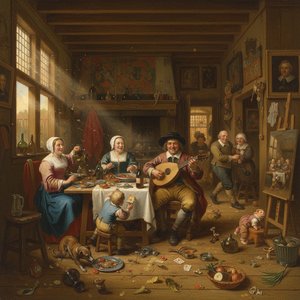
Bruegelův skutečný průlom spočíval ve svém předmětu. Odvážně se odklonil od zavedených konvencí renesanční malby, která často soustředila pozornost na náboženské příběhy nebo klasickou mytologii. Místo toho se zaměřil na každodenní život obyčejných lidí – vesničany pracující v polích, vesnické obyvatele oslavující festivaly, lovce procházející sněžnými krajinami. Nebyla to odmítání tradičních témat, ale jejich eskalace na úroveň vysokého umění. Jeho krajiny nebyly jen pozadí; byly aktivními účastníky příběhu, často nabité symbolickým významem a odrážely hluboké porozumění síle a kráse přírody. *Triumf smrti* je děsivý apokalyptický obraz lidské mortality, plný groteskních obrazů a pocitu blížící se zkázy. Malby jako *Vesnické svatba* nabízejí pozoruhodně detailní a nuance zachycující venkovský život bez sentimentalizace. Mistrovsky využíval chiaroscuro – dramatickou hru světla a stínu – k vytvoření hloubky, realismu a emocionálního dopadu v svých kompozicích. Jeho scény nebyly jen zobrazeny tak, jak je viděl; byly interpretacemi světa kolem něj skrze humanistické vyhledávání a uměleckou inovaci.
Lasting Legacy: An Influence Across Centuries
Vliv Pietra Bruegela Staršího na budoucí generace umělců je nezpochybnitelný. Položil základy pro malíře zlatého věku v Nizozemsku, inspiroval umělce jako Isaaca van Ostade a Adriaena Brouwera svým realistickým zobrazením venkovského života. Jeho inovativní přístup k krajinářskému umění také otevírá cestu pro pozdější vývoj tohoto žánru, ovlivnil umělce, kteří se snažili zachytit krásu a nádheru přírodního světa. Kromě malby jeho dílo nadále rezonuje s moderními publiky, objevuje se ve filmech jako Andrei Tarkovského *Solaris* (1972) a Larsa von Trieře *Melancholia* (2011), což dokazuje trvalou sílu jeho obrazů. Jeho malby nabízejí nezměnný odraz lidské existence – naši vztah k přírodě, naše boje s smrtí a naši schopnost radosti i smutku. Zemřel v Bruselu v roce 1569 ve věku pouhých čtyřiceti let, zanechávaje za sebou dílo, které nadále okouzluje a inspiruje, etablovaním ho jako jednoho z nejvýznamnějších postav v historii umění.
Notable Works and Enduring Themes
- Landscape with the Flight into Egypt: Klidný, ale subtilně symbolický obraz svatého Poruce, který ukazuje Brueglov mistrovství v atmosférické perspektivě.
- Triumf smrti: Děsivý a apokalyptický obraz lidské mortality, plný groteskních obrazů a pocitu blížící se zkázy.
- Vesnická svatba: Živý a detailní obraz venkovského života, zachycující rozruchnou energii a sociální zvyky flemishské vesnice.
- Lovci v zimě: Jedna z ikonických obrazů, která se stala symbolem zimního období, oslavuje krásu a klid sněžné krajiny.
- Babylonská věž: Monumentální dílo zobrazující lidskou ambici a boží soud, které ukazuje Brueglov dovednost vytvářet složité kompozice s jemnými detaily.



 Zobrazit v interiéru
 Přepnout na tiskové verze
 Odeslat
 Sdílet
 Podrobnosti
 Průvodce

 Stáhnout obrázek
 Podobné kousky
 Rentgenové snímky
 Slideshow
 Statistiky

 Přečíst si více






































 Skleněná varianta je dostupná pouze u rozměrů menších než 110 cm