


 Oil On CanvasWallArtDe Stijl
 1943Modern
 145.0 x 120.0 cm
Ručně malovaná olejná barva na plátně ve vašem zvoleném rozměru i s rámem, vyrobená našimi umělci na zakázku. ( Koupit tisk Koupit obrázek)





























Vyberte si z našich přednastavených velikostí, které odpovídají původním proporcím díla.

Můžete zadat vlastní rozměry pro konkrétní rám nebo prostor. Pokud se vámi vybraná velikost neshoduje s proporcemi původního obrazu, dílo buď ořízneme, nebo jej doplníme ručně malovanými prvky. Před zahájením výroby vám bude zaslán digitální náhled ke schválení.
Upozorňujeme, že náhled na obrazovce neodpovídá skutečnému ořezu ani rozšíření. Pouze digitální náhled přesně zobrazí finální kompozici.
Ačkoliv je možné zvolit vlastní velikost, pro zachování původních proporcí doporučujeme vybrat rozměr z předdefinovaného seznamu.
Celosvětová doprava () za 3–4 týdny namísto standardních 5 týdnů. (7 září). Bez kompromisů v kvalitě.


Trafalgar Square
Rozměry reprodukce
Piet Mondrian's 1943 painting, *Trafalgar Square*, isn’t merely a depiction of London’s iconic public space; it’s an intensely considered exploration of order, balance, and the very essence of visual harmony. Born from a period of profound upheaval – Mondrian’s flight from Paris to England during World War II – this work transcends its subject matter, becoming a powerful statement about the artist's core philosophy: Neoplasticism. The painting eschews traditional perspective, instead presenting a meticulously constructed grid of black lines and rectangles set against a stark white background. Within these defined spaces reside strategically placed blocks of primary colors – vibrant reds, yellows, and blues – that vibrate with an almost palpable energy. It’s a deliberate simplification, a stripping away of the superfluous to reveal what Mondrian believed was the fundamental building blocks of visual experience.
*Trafalgar Square* is a quintessential example of Mondrian’s involvement with the De Stijl movement (literally “The Style”), a Dutch artistic collective that sought to express universal harmony through abstract forms. This wasn't simply about creating pretty pictures; it was a radical attempt to find a visual language that reflected underlying mathematical and spiritual principles. The grid, in particular, became a symbol of this rational order – representing the structure of the universe itself. Mondrian believed that by reducing art to its most essential elements—lines, shapes, and colors—he could create a work that was both aesthetically pleasing and intellectually stimulating. The painting’s starkness is deliberate; it invites contemplation and encourages the viewer to engage with the underlying principles of composition.
Mondrian's early works, like *Irrigation Ditch with Mature Willow*, demonstrate his initial exploration of landscape painting, but a yearning for simplification quickly emerged. This evolution culminated in Neoplasticism, a style characterized by geometric abstraction and primary colors – a shift that profoundly impacted the course of 20th-century art.The creation of *Trafalgar Square* occurred during a tumultuous period in Mondrian’s life. Following his departure from Paris, he sought refuge in London to escape the threat of Nazi invasion. This context is crucial to understanding the painting's emotional resonance. The square itself – a bustling hub of activity and civic pride – provided a powerful counterpoint to the artist’s desire for order and harmony. Interestingly, Mondrian revisited this composition later, adding dynamism and complexity in his New York-based works, reflecting his evolving artistic vision. The inscription “39–43” on the canvas stretcher serves as a reminder of this iterative process – a testament to Mondrian's ongoing exploration of form and color.
WahooArt offers meticulously crafted hand-painted reproductions of *Trafalgar Square*, allowing you to experience the power and beauty of Mondrian’s masterpiece in your own space. Each reproduction captures the painting's distinctive qualities – the precise lines, the vibrant colors, and the underlying sense of order – with exceptional detail and fidelity. Whether displayed as a striking statement piece or integrated into a broader interior design scheme, this artwork is sure to captivate and inspire. Consider it not just a decoration, but an embodiment of Mondrian’s enduring vision for universal harmony.


1872 - 1944 , Nizozemsko

Explore the profound elegance of De Stijl. Discover how Piet Mondrian and the masters of Neoplasticism utilized geometric harmony and primary colors to redefine modern abstraction. An authoritative guide for the discerning collector seeking timeless, structured beauty.
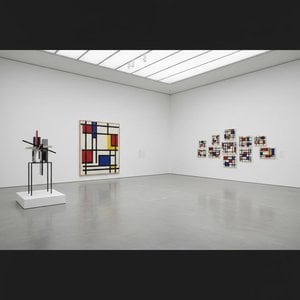
Explore the profound essence of Neoplasticism. Discover how Piet Mondrian and De Stijl masters used pure color and geometric form to redefine modern art. An essential guide for collectors seeking to understand the enduring power of abstract harmony and universal order.

Explore the profound spiritual depth of geometric abstraction. From Malevich's Suprematism to modern masters, our expert guide reveals how pure form and color command presence in fine art collections.

 Náhled
 Sdílet
 Sdílet
 Podrobnosti o díle

 Stáhnout
 Podobné položky
 Rentgenové snímky
 Slideshow
 Zobrazit více







 Skleněná varianta je dostupná pouze u rozměrů menších než 110 cm


