Život a cesta Piet Mondriana: Od krajinomalby k absolutní abstrakci
Piet Mondrian, vlastním jménem Pieter Cornelis Mondriaan, se narodil 7. března 1872 v poklidném nizozemském městečku Amersfoortu. Jeho umělecká dráha nebyla okamžitým zjevením, ale postupným odkrýváním nových cest a vizí. Vyrůstal v tradičním prostředí; jeho strýc Frits Mondriaan byl již uznávaným malířem a právě rodinné vazby ho zpočátku nasměrovaly k krajinomalbě. Tato raná díla, evokující Haagskou školu a nizozemský impresionismus – například *Červený mlýn* – odhalují mladého umělce pilně studujícího přírodu, zdokonalujícího techniku, ale zároveň nenápadně hledajícího něco víc než pouhé zobrazení reality. Již tehdy se v jeho tahy štětcem vkrádala touha po zjednodušení. Nebyl spokojen s prostým kopírováním světa; chtěl zachytit jeho podstatu. Toto období experimentování s pointilismem a fauvismem mu nabídlo různé úhly pohledu na barvu a formu, ale žádný plně neuspokojoval jeho narůstající uměleckou vizi. Byl to čas průzkumu, nezbytná předehra k radikálnímu obratu, který měl definovat jeho odkaz.
Pařížské probuzení a zrození Neoplasticismu
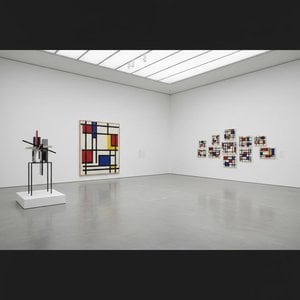
Zlomový okamžik nastal v roce 1912 Mondrianovým přestěhováním do Paříže. Město pulzovalo avantgardní energií a on se ponořil do revolučního světa kubismu. Toto setkání se ukázalo jako transformativní. Začal dekonstruovat formy, rozkládat objekty na jejich geometrické komponenty, odchylujíc se od zobrazení *co* vidí k prozkoumávání *jak* to vidí. Mondrian však nepřijímal jen nový styl; vydával se na duchovní pouť. Hluboce ovlivněn teosofií – mystickou filozofií zdůrazňující základní univerzální principy – věřil, že umění může být prostředkem k vyjádření těchto skrytých pravd. Tato víra poháněla jeho neúnavnou snahu o abstrakci a vedla ho ke zredukování barvy a formy na jejich nejzákladnější prvky. Kolem roku 1917 tato cesta vyvrcholila formulací Neoplasticismu, často označovaného jako ‘čisté plastické umění’. Byl to radikální estetický princip založený na esenciálních formách – přímých liniích, pravých úhlech – a omezené paletě: primárních barvách (červené, modré, žluté), černé, bílé a šedé. Pro Mondriana toto zjednodušení neznamenalo prázdnotu; bylo to odhalení skryté harmonie vesmíru, vizuální manifestace duchovního řádu. Společně s Theem van Doesburgem založil hnutí *De Stijl* k propagaci těchto myšlenek a upevnil Neoplasticismus jako definující sílu moderního umění. Mistrovská díla jako *Kompozice s červenou, modrou a žlutou* a *Tableau no. 2 Kompozice no. V* jsou svědectvím tohoto období, ikonickými reprezentacemi jeho neochvějné oddanosti geometrické čistotě.
Nové rytmy New Yorku: Pozdní rozkvět
Vypuknutí druhé světové války donutilo Mondriana v roce 1940 uprchnout z Evropy a nalézt útočiště v rušné metropoli New York City. Tato změna prostředí se ukázala nečekaně povzbuzující. Přísná mřížková struktura města – ostrý kontrast k organičtější krajině, kterou znal – rezonovala s jeho uměleckými principy. Jeho pozdní díla, nejzřetelněji *Broadway Boogie Woogie* (1943), odrážejí tento vliv. I když si zachovaly základní principy Neoplasticismu, obraz zavádí dynamickou energii, živý rytmus inspirovaný pulzujícím životem města a jazzovou hudbou. Přímé linie jsou stále přítomny, ale nyní tančí a protínají se s větší svobodou, vytvářejíc pocit pohybu a radosti. Zdálo se, jako by Mondrian našel nový jazyk ve svém zavedeném slovníku, způsob, jak vyjádřit složitost moderní městské existence prostřednictvím jednoduchosti geometrické abstrakce. Pokračoval v zdokonalování svého stylu až do své smrti v roce 1944 a zanechal po sobě dílo, které i nadále fascinuje a inspiruje.
Trvalý odkaz: Vliv Mondrianovy umělecké vize
Vliv Piet Mondriana na svět umění je nesmírný. Nebyl jen umělcem; byl vizionářem, který zásadně změnil naše chápání abstrakce a jejího potenciálu vyjadřovat univerzální pravdy. Jeho dílo hluboce ovlivnilo nespočet umělců, směrů a disciplín. Abstraktní expresionismus, minimalismus a barevné malířství mu vděčí za jeho průkopnického ducha. Ale jeho vliv se rozprostírá daleko za plátno. Principy Neoplasticismu – jednoduchost, jasnost, geometrický řád – pronikly do architektury, designu a módy. Od nábytku a textilií po fasády budov a grafické návrhy Mondrianova estetika i nadále formuje náš vizuální svět. Zůstává ikonickou postavou moderního umění, symbolem neúnavné snahy o abstrakci a trvalé síly umělecké inovace. Jak výstižně poznamenal designový historik Stephen Bayley, Mondrian se stal “totemem pro všechno, co si Modernismus kladl za cíl.” Jeho odkaz není jen estetickou krásou, ale intelektuální přísností, duchovní hloubkou a neochvějnou vírou v transformační sílu umění.
Vlivy a klíčová díla
- Rané vlivy: Haagská škola, nizozemský impresionismus, pointilismus, fauvismus poskytly základ pro jeho počáteční umělecká zkoumání.
- Transformační vliv: Kubismus v Paříži byl zásadní pro jeho posun k abstrakci a geometrickým formám.
- Filozofický základ: Teosofie hluboce ovlivnila jeho víru, že umění může vyjadřovat univerzální duchovní principy.
- Klíčová díla: *Červený mlýn* (rané naturalistické období), *Kompozice s červenou, modrou a žlutou* (quintessence Neoplasticismu), *Tableau no. 2 Kompozice no. V* (demonstruje redukci na esenciální formy), *Broadway Boogie Woogie* (dynamika pozdního období ovlivněná New York City).
- Trvalý vliv: Mondrianova díla i nadále inspirují umělce, architekty a designéry a utvářejí moderní estetiku napříč různými disciplínami.
Jeho estetické principy se rozšířily za hranice malby a ovlivnily architekturu, design a módu. Zůstává ikonickou postavou moderního umění, představující snahu o abstrakci a univerzální harmonii.



 Náhled
 Přepnout na tisk
 Sdílet
 Sdílet
 Podrobnosti o díle

 Stáhnout
 Podobné položky
 Rentgenové snímky
 Slideshow
 Statistiky


 Zobrazit více






































 Skleněná varianta je dostupná pouze u rozměrů menších než 110 cm