BEZPLATNÉ UMĚLECKÉ PORADENSTVÍ


x

 Koupit tisk Koupit digitální obrázek
 Sdílet
 Details
 Přidat do oblíbených
 Stáhnout
 Podobné položky
 X-Ray
X-Ray
 Slideshow
Ručně malovaná olejná barva na plátně ve vašem zvoleném rozměru i s rámem, vyrobená našimi umělci na zakázku.





























Vyberte si z našich přednastavených velikostí, které odpovídají původním proporcím díla.

Můžete zadat vlastní rozměry pro konkrétní rám nebo prostor. Pokud se vámi vybraná velikost neshoduje s proporcemi původního obrazu, dílo buď ořízneme, nebo jej doplníme ručně malovanými prvky. Před zahájením výroby vám bude zaslán digitální náhled ke schválení.
Upozorňujeme, že náhled na obrazovce neodpovídá skutečnému ořezu ani rozšíření. Pouze digitální náhled přesně zobrazí finální kompozici.
Ačkoliv je možné zvolit vlastní velikost, pro zachování původních proporcí doporučujeme vybrat rozměr z předdefinovaného seznamu.
Celosvětová doprava () za 3–4 týdny namísto standardních 5 týdnů. (1 červenec). Bez kompromisů v kvalitě.


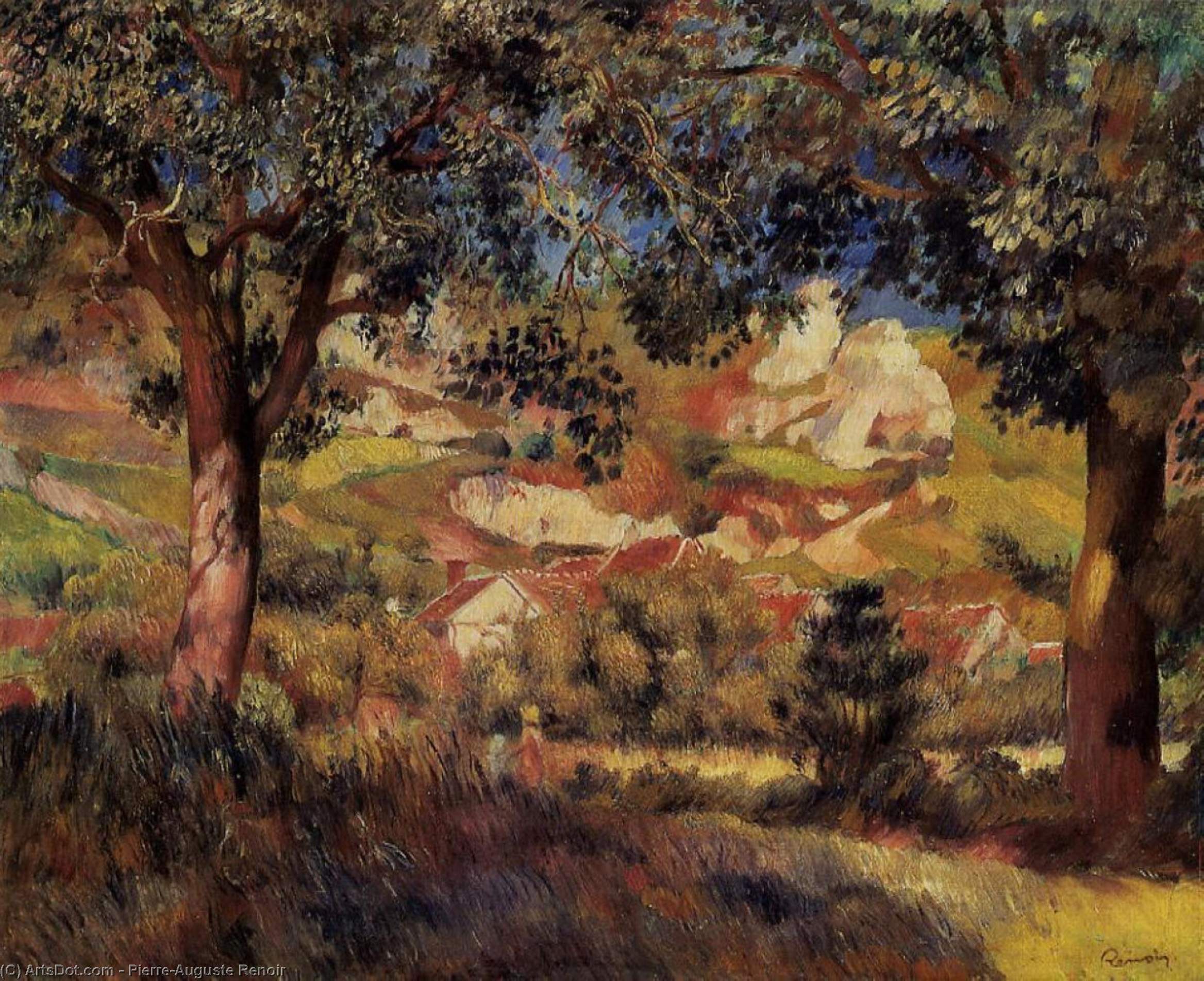
Landscape in La Roche Guyon
Rozměry reprodukce
Pierre-Auguste Renoir's "Landscape in La Roche Guyon," painted in 1887, isn’t merely a depiction of a hillside; it’s an immersion into the very essence of Impressionist tranquility. This oil on canvas transports us to a moment suspended between observation and feeling, capturing the fleeting beauty of nature with a delicate mastery that continues to resonate today. The painting stands as a testament to Renoir's ability to distill the spirit of a place—La Roche Guyon, a charming village in the Yonne department of France—into a harmonious composition of light, color, and subtle detail.
The scene unfolds with an immediate sense of peace. A gentle slope rises before us, dotted with trees that seem to breathe with the afternoon sun. The foreground is anchored by a substantial tree on the left, its branches reaching skyward like welcoming arms, while a smaller, more youthful tree adds a touch of vibrancy to the right. Two additional trees are strategically placed near the center, creating a balanced and natural arrangement—a deliberate choreography of form and space. But it’s not just the trees that draw the eye; a solitary figure stands in the middle distance, seemingly lost in contemplation of this idyllic vista. The identity of this individual remains deliberately ambiguous, inviting us to project our own experiences and emotions onto the scene – are they a lover, a wanderer, or simply someone seeking solace in nature’s embrace?
Renoir's genius lies not just in his subject matter but in his execution—a flawless embodiment of the Impressionist style. He abandons traditional academic techniques, favoring instead a loose, broken brushstroke that captures the ephemeral qualities of light and atmosphere. Notice how he applies the paint – not with precise lines or blended tones, but with short, vibrant dabs of color, allowing the viewer’s eye to complete the picture. The palette is dominated by soft, muted hues: delicate greens, warm browns, and subtle blues—all rendered with a remarkable sensitivity to light. These colors aren't applied uniformly; instead, Renoir uses variations in tone and saturation to create depth, shadow, and a sense of movement within the landscape.
The technique is particularly evident in the way he depicts the trees. Rather than meticulously rendering each leaf or branch, Renoir suggests their form through dappled patches of color and texture. This approach creates an illusion of shimmering light filtering through the foliage—a hallmark of Impressionist painting. The overall effect is one of luminous vibrancy, as if the scene is bathed in a perpetual golden hour.
Renoir’s work was deeply influenced by his contemporaries, most notably Camille Pissarro, who similarly sought to capture the beauty of everyday life and the common man within natural settings. Like Pissarro, Renoir eschewed grand narratives or heroic subjects, focusing instead on the quiet pleasures of rural existence. However, Renoir's approach is arguably more sensual and evocative than Pissarro’s, reflecting his own artistic temperament. The painting also subtly nods to the Realist movement, particularly in its attention to detail and its grounding in a specific location—La Roche Guyon.
Furthermore, “Landscape in La Roche Guyon” anticipates the developments of later Impressionists like Claude Monet. Both artists were fascinated by the effects of light on color and surface, and both sought to capture the fleeting moments of perception. Monet’s series paintings of haystacks and water lilies demonstrate a similar preoccupation with capturing the ephemeral qualities of nature—a pursuit that Renoir clearly shares.
Today, “Landscape in La Roche Guyon” continues to captivate viewers with its serene beauty and technical brilliance. It’s a painting that invites us to slow down, to appreciate the simple pleasures of nature, and to connect with our own sense of wonder. WahooArt offers meticulously crafted reproductions of this iconic work, allowing you to bring this timeless masterpiece into your home or office. Each reproduction is created by hand using traditional oil painting techniques, ensuring that it captures the essence of Renoir’s original vision—a testament to his enduring legacy as one of the greatest artists of the Impressionist era.
Resources: Landscape in La Roche Guyon | Pierre-Auguste Renoir: Landscape in La Roche Guyon | Pierre-Auguste Renoir on Wikipedia | The Museum Ateneum (Helsinki, Finland) - A Haven for Art Lovers | Camille Pissarro on Wikipedia | List of paintings by Claude Monet on Wikipedia

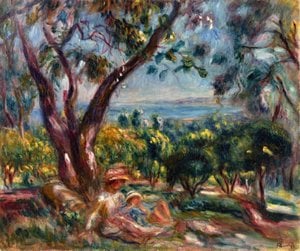


1841 - 1919 , Francie
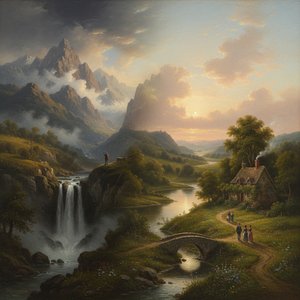
Explore the emotional power of Romantic landscape painting! Discover the sublime & picturesque aesthetics, key artists like Friedrich & Cole, and lasting influence on art history. Find your perfect piece at WahooArt.

Průvodce pro sběratele olejomalby od WahooArt. Kritéria výběru, investiční potenciál, péče o díla a transparentní proces tvorby na zakázku. Získejte odborné rady a budujte hodnotnou uměleckou sbírku.

Explore the history of plein air painting, from its origins with the Barbizon school to Impressionism's revolution & contemporary practice. Discover techniques, artists like Monet & Renoir, and find museum-quality reproductions at WahooArt.

Explore the history of serene landscapes in art! Discover renowned artists like Monet & Munch, movements from Impressionism to Tonalism, and find the perfect piece to bring tranquility to your home. Expert insights at WahooArt.

Explore the captivating world of 19th-century landscape painting! Discover renowned artists like Friedrich & Monet, key movements, and find the perfect artwork to bring nature's serenity into your home. Expert insights at WahooArt.


Buďte na tahu s nejnovějšími novinkami ze světa umění, exkluzivními nabídkami a inspirativními nápady na dekoraci.
Sdělte nám více o svém projektu a naši odborníci na umění vám připraví 3 personalizované návrhy uměleckých děl.
Nechť pro vás vybereme 3 možnosti – zdarma!
 Sdílet









 Více informací
 Skleněná varianta je dostupná pouze u rozměrů menších než 110 cm