Zobrazit v interiéru Zkusit v AR Objednat ručně malovanou reprodukci Přepnout na digitální verzi obrazu Odeslat
Podrobnosti Průvodce Přidat do oblíbených Stáhnout obrázek Podobné kousky Rentgenové snímky Slideshow Statistiky

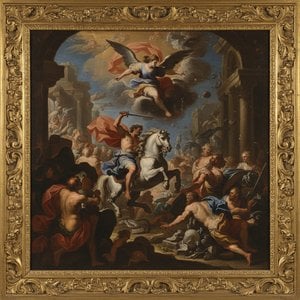
Vstup do Jeruzaléma

Pedro Orrente - Vzrušující obraz vstupu Ježíše do Jeruzaléme z roku 1620. Detailní barvy, náboženská scéna a realistické provedení. Objevte umělecké mistrovství!

Explore the Baroque paintings of Pedro Orrente, a Spanish artist known for animal & landscape scenes, historical works, & his influence on Valencian art.

Giclée / Umělecký tisk

Giclée nebo plátěný tisk muzeální kvality s rychlou výrobou a širokou nabídkou povrchových úprav. ( Objednat ručně malovanou reprodukci Přepnout na digitální verzi obrazu)

Corner sample of the P118B picture frame: vylisovaný polystyren, 5 cm wide and 3 cm thick
P118B Kč10
Corner sample of the P118H picture frame: vylisovaný polystyren, 5 cm wide and 3 cm thick
P118H Kč10
Corner sample of the P118W picture frame: vylisovaný polystyren, 5 cm wide and 3 cm thick
P118W Kč10
Corner sample of the P438Z picture frame: vylisovaný polystyren, 5.5 cm wide and 3.5 cm thick
P438Z Kč10
Corner sample of the P508JH picture frame: vylisovaný polystyren, 7 cm wide and 3.5 cm thick
P508JH Kč12
Corner sample of the P508YH picture frame: vylisovaný polystyren, 7 cm wide and 3.5 cm thick
P508YH Kč12
Corner sample of the P805H picture frame: vylisovaný polystyren, 5 cm wide and 3.5 cm thick
P805H Kč10
Corner sample of the P805Z picture frame: vylisovaný polystyren, 5 cm wide and 3.5 cm thick
P805Z Kč10
Corner sample of the P919BZ picture frame: vylisovaný polystyren, 7 cm wide and 3.5 cm thick
P919BZ Kč10
Corner sample of the P919G picture frame: vylisovaný polystyren, 7 cm wide and 3.5 cm thick
P919G Kč10
Corner sample of the P919XJ picture frame: vylisovaný polystyren, 7 cm wide and 3.5 cm thick
P919XJ Kč10
Corner sample of the P959ZH picture frame: vylisovaný polystyren, 5 cm wide and 3 cm thick
P959ZH Kč10
Corner sample of the P968JZ picture frame: vylisovaný polystyren, 6 cm wide and 4 cm thick
P968JZ Kč12
Corner sample of the W106C picture frame: masivní dřevo, 5 cm wide and 3 cm thick
W106C Kč8
Corner sample of the W218G picture frame: masivní dřevo, 5 cm wide and 3 cm thick
W218G Kč10
Corner sample of the W218JH picture frame: masivní dřevo, 5 cm wide and 3 cm thick
W218JH Kč8
Corner sample of the W218Y picture frame: masivní dřevo, 5 cm wide and 3 cm thick
W218Y Kč10
Corner sample of the W307PJ picture frame: masivní dřevo, 6 cm wide and 3 cm thick
W307PJ Kč10
Corner sample of the W316G picture frame: masivní dřevo, 6 cm wide and 3 cm thick
W316G Kč10
Corner sample of the W316PJ picture frame: masivní dřevo, 6 cm wide and 3 cm thick
W316PJ Kč8
Corner sample of the W316Y picture frame: masivní dřevo, 6 cm wide and 3 cm thick
W316Y Kč10
Corner sample of the W398PJ picture frame: masivní dřevo, 5 cm wide and 3 cm thick
W398PJ Kč8
Corner sample of the W4111J picture frame: masivní dřevo, 6.5 cm wide and 3.5 cm thick
W4111J Kč10
Corner sample of the W500HY picture frame: masivní dřevo, 7 cm wide and 5 cm thick
W500HY Kč15
Corner sample of the W500JH picture frame: masivní dřevo, 7 cm wide and 5 cm thick
W500JH Kč15
Corner sample of the W692G picture frame: masivní dřevo, 8 cm wide and 4 cm thick
W692G Kč12
Corner sample of the W849H picture frame: masivní dřevo, 5 cm wide and 3 cm thick
W849H Kč8
Corner sample of the W940BG picture frame: masivní dřevo, 7.5 cm wide and 4.5 cm thick
W940BG Kč15
Corner sample of the W953PJ picture frame: masivní dřevo, 6 cm wide and 3.5 cm thick
W953PJ Kč8

Standardní velikost
na zakázku
CM
INCH

Vyberte si z našich přednastavených velikostí, které odpovídají původním proporcím díla.

šířka
výška

Zadejte šířku a výšku, které potřebujete pro váš rám nebo stěnu. Tisk lze pouze oříznout, nikdy však nelze zvětšit obraz nad jeho původní rozměr, proto při výběru jiného formátu dochází ke ztrátě části obrazu. Před samotným tiskem vám zašleme digitální náhled k schválení. Obraz zobrazený na této stránce nenabízí skutečný výřez — ten uvidíte pouze v náhledu.

Celosvětové doručení () do 2 týdnů namísto standardních 4/5 týdnů. (24 říjen)

Zdarma celosvětová expresní doprava
Vysoce kvalitní lněné plátno
Úplné pojištění přepravy
Záruka vrácení celního poplatku
Záruka věrného barevného shodu
100dení lhůta pro vrácení zboží (pouze při vadách výroby)
100% garance vrácení peněz
Sleva při více objednávkách

Celková cena

Kč 1453

Vstup do Jeruzaléma

Giclée / Umělecký tisk

Velikost reprodukce

-

Celková cena

Kč 1453

Rychlé informace

  • Notable elements or techniques: Realistické zobrazení
  • Title: Vstup do Jeruzaléma
  • Subject or theme: Vstup do Jeruzaléma
  • Influences: Španělské baroko
  • Artist: Pedro Orrente
  • Location: Hermitage, Petrohrad

Úvod: Zrození barokního dramatu

Pedro Orrenteho obraz „Vstup do Jeruzaléma“ z roku 1620 je více než jen historická scéna; je to živoucí, plné emocí vyprávění o setkání Krista s jeho lidem. Představuje klíčový moment v raném barokním uměleckém projevu ve Španělsku – Orrente se odvážil spojit realističtý přístup s dramatickou silou a intenzivními emoce, čímž se stal jedním z prvních španělských malířů, kteří kladli důraz na věrné znázornění skutečnosti. Obraz zachycuje dynamiku davu, náboženské údivy a hlubokou duchovní atmosféru, která je charakteristická pro baroko. Jeho síla spočívá v promyšleném uspořádání prvků, které vedou oko diváka do centra scény – k samotnému Ježíši.

Technika a Styl: Realismus v službách dramatu

Orrente se vyznačoval precizností a detailním zobrazením. V „Vstupu do Jeruzaléma“ je to patrné zejména v realistickém zachycení tváří, oděvů a textur – od složitých ornamentů na šatech až po hrubé kameny pod nohama. Použil bohatou paletu barev, s důrazem na hluboké odstíny červené, zlaté a modré, které dodávají obrazu barvitost a dramatický efekt. Jeho technika je charakteristická pro rané baroko – používá vrstvení malby (glazura) k vytvoření iluze lesku a hloubky, což dodává obrazu živost a třpyt. Orrente se odklonil od přísných pravidel renesančního umění a experimentoval s dynamickým uspořádáním postav a perspektivou, čímž vytvářel dojem pohybu a energie.

Symbolika a Historický Kontext

Scéna je silně symbolická. Ježíš, v bílé tunice, sedí na koni, obklopený lidmi, kteří ho vítají s palmovními větvemi – gesto, které evokuje triumfální průvod, jaký byl zvykem při oslavách v Jeruzalémě. V centru scény se nachází muž držící kříž, který symbolizuje utrpení a oběť Krista. Dva ptáci na nebi představují naději a posvátnou atmosféru. Obraz je zasazen do historického kontextu – v roce 1620 byl Jeruzalém pro křesťany centrem náboženské víry, a „Vstup do Jeruzaléma“ se stává vyjádřením touhy po znovunarození a duchovním osvícení. Orrenteho dílo odráží náboženskou vášeň a silnou víru, které byly v raném barokním Španělsku velmi rozšířené.

Emocionální Dopad: Zázrak Vzpomínky

„Vstup do Jeruzaléma“ není jen obraz; je to zážitek. Jeho dynamická kompozice, bohatá barva a detailní zobrazení vyvolávají silné emoce – údiv, náboženskou vášeň, soucit a naději. Obraz přenáší do diváka atmosféru setkání s božskou postavou, pocit blízkosti k zázraku. Díky pečlivému provedení a promyšlené symbolice se Orrenteho obraz stal ikonickým vyjádřením raného barokního umění a dodnes evokuje hluboký duchovní zážitek. Reprodukce tohoto díla nabízí možnost zažít tuto krásu a sílu přímo ve vašem domově.

Otázky a odpovědi

Jakým způsobem se motiv díla „Vstup do Jeruzaléma“ vztahuje k obvyklým tématům umělce Pedro Orrente?

„Vstup do Jeruzaléma“ zachycuje jesus, jerusalem, entry, crowd, cross, birds, religious, baroque, zatímco doložená témata umělce Pedro Orrente zahrnují religious narrative, spanish baroque, naturalism, pilgrimage, artistic transition. Porovnání těchto dvou aspektů odhaluje, jak se toto dílo vztahuje k obvyklým tématům tohoto autora.

K kterému uměleckému směru patří „Vstup do Jeruzaléma“ od Pedro Orrente?

„Vstup do Jeruzaléma“ je dílo z období Spanish Baroque. Tento směr určuje uměleckou tradici, jejíž je dílo součástí.

Jakou luminanci má dílo „Vstup do Jeruzaléma“ od Pedro Orrente?

Luminance zaznamenaná pro dílo „Vstup do Jeruzaléma“ od Pedro Orrente je Tmavý.


Biografie umělce

The Spanish Bassano: The Life and Legacy of Pedro Orrente

In the vibrant tapestry of the Spanish Golden Age, few threads are as intricately woven yet subtly colored as those left by Pedro Orrente. Born in Murcia in 1580, Orrente emerged during a transformative era when the dramatic tensions of the Baroque were beginning to coalesce with a burgeoning interest in naturalism. While history often shines its brightest spotlight on more flamboyant figures like El Greco, Orrente carved out a profound niche by bridging these two worlds. His life was one of movement and adaptation, traveling from his native Murcia to the artistic hubs of Toledo and eventually settling in Valencia, where he would pass away in 1645. This nomadic existence allowed him to absorb the diverse artistic currents of Spain, creating a body of work that feels both deeply rooted in Spanish tradition and breathlessly connected to the broader European landscape.

The foundations of Orrente’s mastery were laid in his early years, likely under the tutelage of the Murcia painter Juan de Arizmendi. However, it was his time in Toledo around 1600 that truly ignited his professional ascent. It was here that he encountered Jorge Manuel Theotocóp_uli, the son of El Greco, a friendship that undoubtedly exposed him to the lingering echoes of Mannerism. Yet, Orrente’s true artistic soul found its resonance elsewhere. His travels took him to Venice, where the influence of the Bassano family became an indelible part of his visual vocabulary. Often referred to as "the Spanish Bassano," Orrente adopted their unique ability to transform biblical narratives into dynamic genre scenes. He learned to populate his canvases with lively figures set against lush, detailed landscapes, moving away from stiff, idealized compositions toward a more visceral, human experience of the divine.

A Mastery of Naturalism and Dramatic Light

Orrente’s technical prowess is most evident in his ability to manipulate light and shadow to evoke profound emotional responses. He was a pioneer of naturalism within the Spanish Baroque framework, prioritizing an accurate, almost tactile representation of the world around him. In masterpieces such as "The Sacrifice of Isaac" (1616), one can witness this tension between the sacred and the earthly. The composition is charged with an urgent, palpable anxiety, where the intervention of the angel provides a moment of divine grace amidst the raw, human terror of the scene. His use of chiaroscuro—the dramatic interplay of light and dark—serves not merely as a stylistic flourish but as a narrative tool to anchor the viewer’s eye to the most poignant emotional beats of his stories.

This skill is further illuminated in works like "Entry into Jerusalem" (c. 1620), where the biblical event is stripped of distant abstraction and rendered as a vibrant, crowded tableau. Through his brush, Jesus does not arrive merely as a theological icon but as a figure moving through a real, breathing world, surrounded by a diverse crowd of worshippers, skeptics, and onlookers. Orrente had a remarkable gift for detail; whether it was the texture of a donkey's coat, the fluttering of birds in a vast sky, or the subtle expressions of devotion on a disciple's face, his work invites a slow, meditative gaze that rewards the observer with endless layers of meaning.

Historical Significance and Artistic Triumph

The enduring significance of Pedro Orrente lies in his role as a transitional architect of Spanish art. He stood at the crossroads of eras, helping to steer the Spanish aesthetic away from the elongated, spiritualized forms of the late Renaissance toward the grounded, dramatic realism that would define much of the 17th century. His ability to synthesize the Venetian approach to landscape and genre with the intense religious fervor of Spain created a unique visual language that resonated across the regions where he worked.

Reflecting on his contributions, several key elements define his artistic triumph:

  • Pioneering Naturalism: He was among the first in his region to prioritize realistic, human-centric representations within religious subjects.
  • The Venetian Connection: His successful integration of the Bassano family's style allowed him to introduce a new sense of landscape and movement to Spanish altarpieces.
  • Emotional Depth: Through masterful use of light and composition, he transformed static biblical stories into living, breathing dramas.
  • Cultural Bridge: His work served as a vital link between the fading influence of El Greco's Mannerism and the rising tide of the Baroque.

Though his name may not always command the immediate recognition of the most famous masters, the impact of Pedro Orrente is felt in every shadow and every sun-drenched landscape of his canvases. He remains a vital figure for any student of art history, representing a moment of profound change where the divine was brought down to earth through the lens of breathtaking realism.

Pedro Orrente

Pedro Orrente

1580 - 1645 , Spain

Rychlé informace

  • Full Name: Pedro de Orrente
  • Nationality: Spanish
  • Date Of Birth: 1580
  • Date Of Death: 1645
  • Place Of Birth: Murcia, Spain
  • Notable Artworks:
    • The Sacrifice of Isaac
    • El bateig de Crist
    • Saint Leocadia
  • Artistic Movement Or Style: Baroque
  • Artists Who Influenced This Artist: ['El Greco']
  • Artists Or Movements Influenced By This Artist:
    • Esteban March
    • Valencian art
Prozkoumejte umělecká díla uspořádaná podle témat, stylů a charakteristik.