Biografie umělce
Paul Sérusier: Průkopník Abstraktního Umění a Inspirátor Nabis
Paul Sérusier (9. listopadu 1864, Paříž – 7. října 1927, Morlaix, Finistère) byl francouzský malíř, který se stal průkopníkem abstraktního umění a významným inspirátorem hnutí Nabis, syntetismu a cloisonnismu. Jeho dílo, charakterizované dynamickou barvou, plochými formami a zkoumáním vnímání, zásadně ovlivnilo vývoj moderního umění a otevřel cestu k novým estetickým přístupům. Sérusierův život byl plný experimentů, osobních vztahů s významnými umělci a neustálého hledání nové cesty ve světě malby.
Raný Život a Vzdělávání
Sérusier se narodil v Paříži do rodiny obchodníků, což mu umožnilo luxusnější vzdělání než mnoho jeho vrstevníků. Jeho zájem o umění začal již v mládí, kdy navštěvoval lyceum Condorcet, kde studoval filozofii, řečtinu a latinu. Po ukončení studia se Sérusier rozhodl pro kariéru malíře a vstoupil do Académie Julian v Paříži, kde se setkal s dalšími talentovanými umělci, jako byli Maurice Denis, Pierre Bonnard a Édouard Vuillard. Během svého studia v Académie Julian se Sérusier podílel na tvorbě ilustrací pro knihy a časopisy, což mu umožnilo zdokonalit své technické dovednosti a experimentovat s různými styly. V roce 1888 se Sérusier vydal na cestu do Pont-Avenu v Bretani, kde se připojil k malířskému společenství vedenému Paul Gauguinem.
Pont-Aven a Syntetismus
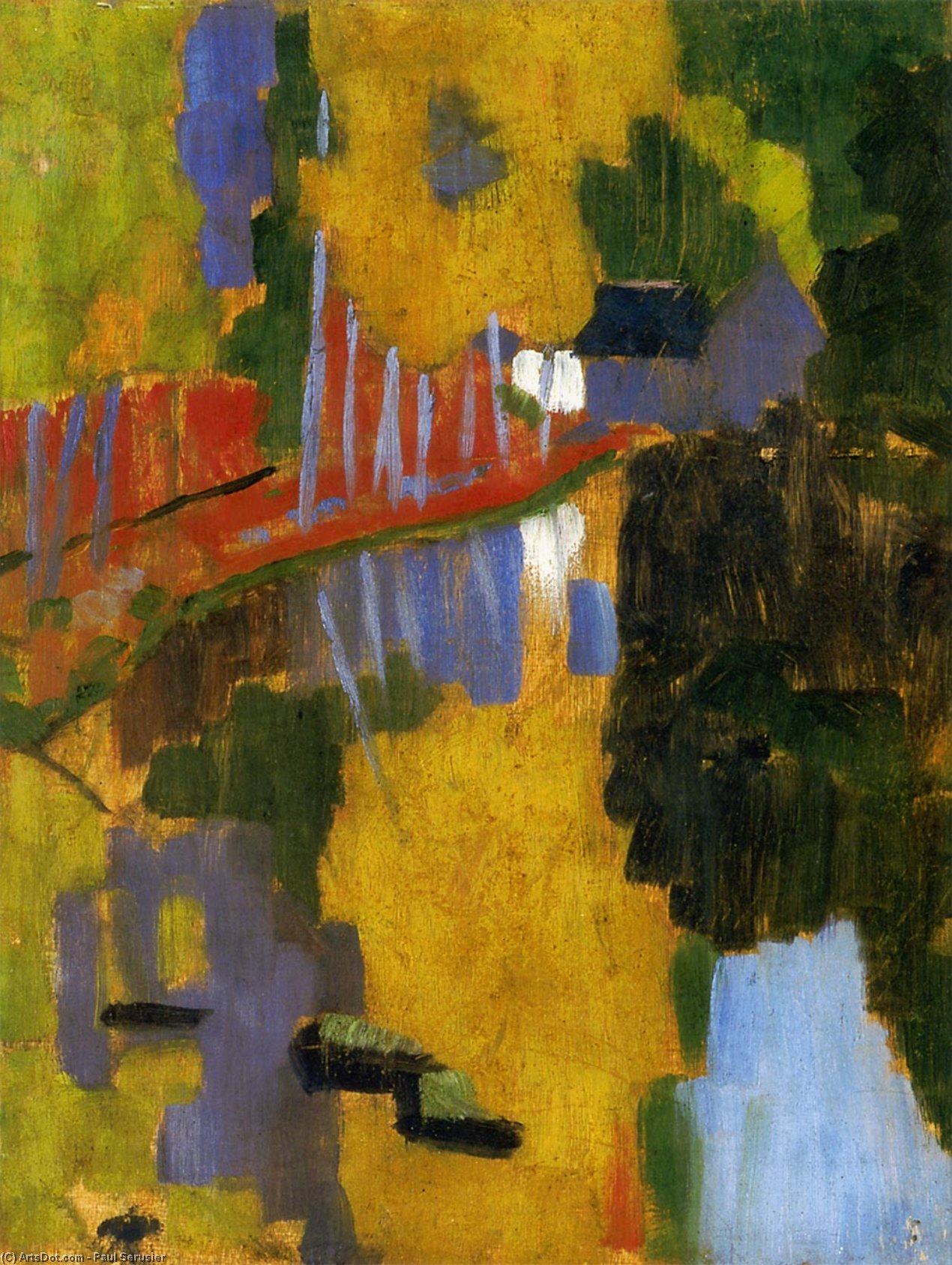
Zkušenosti z Pont-Avenu byly pro Sérusiera zásadní. Pod vedením Gauguina začal experimentovat s novými technikami, zejména s cloisonnismem – stylem charakterizovaným jasnými, definovanými liniemi, které oddělovají plochy barvy. Tato technika, inspirovaná starožitnou výšivkou a dekorativními uměním, umožňovala Sérusierovi dosáhnout výrazné geometrické zjednodušení obrazu a zdůraznit jeho kompoziční prvky. V roce 1888 vytvořil Sérusier obraz *Bois d’Amour*, který se stal symbolem tohoto nového směru – syntetismu. Tento obraz, inspirovaný přírodními motivy a využívající dynamickou paletu barev, představuje odklon od tradičního impresionistického přístupu k malbě a ukazuje Sérusierův zájem o vyjádření vnímání a emocí prostřednictvím čistých tvarů a barevných ploch.
Nabis a Vliv Gauguina
Sérusier se stal jedním z klíčových členů skupiny Nabis, která vznikla na podzim roku 1889. Název „Nabis“ (zkrácenina pro „Neomanetisti“) odkazuje k biblickému výrazu „prorok“, a odráží ambici společenství umělců, které se snažilo o nové, duchovní vyjádření prostřednictvím umění. Sérusierova spolupráce s Gauguinem byla pro vývoj Nabis hluboce významná. Gauguinův vliv na Sérusiera byl patrný v jeho zájmu o zjednodušení tvarů, používání čistých barevných ploch a hledání harmonie mezi formou a obsahem. Nicméně, Sérusier se od Gauguina odlišoval svým vlastním poetickým přístupem k malbě a snahou o vyjádření subjektivního vnímání světa.
Významné Dělo a Dědictví
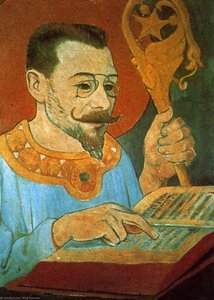
Mezi Sérusierovy nejznámější díla patří *L’Averse* (1893), *Portrét Paula Ransona* (1890) a *Melancholie* (1890). Jeho tvorba se vyznačuje dynamickou kompozicí, bohatou barvou a zkoumáním vztahu mezi formou a obsahem. Sérusierův vliv na vývoj moderního umění je nesporný. Jeho experimenty s abstraktními prvky a jeho snaha o vyjádření subjektivního vnímání světa inspirovaly další generace umělců, včetně Matisse, Braque a Kandinského. Sérusierův přístup k malbě, který kladl důraz na čisté formy, dynamickou barvu a osobní vnímání, se stal základem pro mnoho pozdějších směrů moderního umění. Paul Sérusier zemřel v roce 1927 v Morlaix a jeho dílo zůstává důležitým prvkem francouzského uměleckého dědictví.
Klíčové Zásady a Inspirace
Sérusierova tvorba byla ovlivněna několika klíčovými principy: snaha o vyjádření subjektivního vnímání světa, důraz na čisté formy a dynamickou barvu, hledání harmonie mezi formou a obsahem. Jeho inspirace pocházela z různých zdrojů – od starožitného výšivkového umění po symbolistické poezii. Sérusier se snažil o vytvoření obrazu, který by nebyl pouhým zobrazením reality, ale spíše vyjádřením vnímání a emocí. Jeho dílo je charakterizováno dynamickou energií, bohatou barvou a poetickým nádechem.


 Náhled
 Přepnout na tisk
 Sdílet
 Sdílet
 Podrobnosti o díle

 Stáhnout
 Podobné položky
 Rentgenové snímky
 Slideshow
 Statistiky


 Zobrazit více






































 Skleněná varianta je dostupná pouze u rozměrů menších než 110 cm