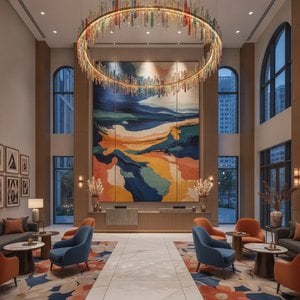
Život ponořený do barev a forem
Paul Klee, jméno synonymní s hravou abstrakcí a hlubokým emocionálním rozměrem, zaujímá jedinečné postavení v krajině umění 20. století. Narodil se 18. prosince 1879 v Münchenbuchsee ve Švýcarsku a jeho umělecká cesta byla cestou neustálého zkoumání, vzdorujícího snadné kategorizaci a vytvářejícího směs vlivů od expresionismu přes kubismus až po surrealismus do osobitého vizuálního jazyka. Kleeovo dětství pěstovalo rané ocenění umění; jeho otec, německý učitel hudby, a matka, švýcarská zpěvačka, v něm vzbudili citlivost jak pro sluchovou, tak i vizuální harmonii. Toto základní spojení mezi hudbou a malířstvím se stalo definující charakteristikou jeho díla, formujíc nejen kompoziční přístup, ale také teoretické chápání umění jako formy abstraktního vyjádření srovnatelné s hudebním aranžmá. Zpočátku zaujatý kresbou Klee brzy opustil snahu o realistickou reprezentaci a uvědomil si její omezení při zprostředkování vnitřního světa emocí a nápadů, které se snažil vyjádřit. V letech 1898 až 1901 nastoupil na Akademii výtvarných umění v Mnichově, období poznamenané experimentováním a rozvojem jeho jedinečného uměleckého hlasu.
Formování umělecké vize
Raná tvorba Kleeho odráží vliv secese a symbolismu, ale i v těchto rámcích začaly prosvítat náznaky jeho budoucího stylu. Zásadním momentem v jeho uměleckém vývoji byla cesta do Tuniska v roce 1914. Intenzivní světlo a živá atmosféra severní Afriky hluboce ovlivnily jeho používání barev, inspirovaly ho k posunu od tlumených tónů směrem k výraznějším, expresivnějším paletám. Tato zkušenost znamenala zlomový bod, upevňující jeho oddanost abstrakci jako prostředku zachycení podstaty vnímání, a nikoli pouze replikace jejího povrchu. Neviděl jen Tunisko; překládal jeho emocionální rezonanci do vizuálních forem. Během tohoto období se Klee zabýval různými uměleckými směry, absorboval jejich principy a zároveň odolával úplnému podřízení jakékoli jediné ideologii. Jeho zájem o hudbu zůstal prvořadý a často hovořil o malování jako o procesu analogickém skládání hudebních děl – pečlivém uspořádání prvků za účelem vytvoření harmonického celku. Tento synestetický přístup je patrný v rytmické kvalitě jeho linií, jemné rovnováze barev a celkovém pocitu pohybu, který prostupuje mnoha jeho díly.
Bauhaus a dále: Období rozkvětu
V letech 1931 až 1933 Klee přijal učitelské místo na vlivné škole umění, designu a architektury Bauhaus po boku Wassilyho Kandinského. Toto období se ukázalo jako mimořádně plodné pro jeho umělecký vývoj. Obklopen inovativními mysliteli a kolegy prosperoval v prostředí, které podporovalo experimentování a teoretický průzkum. Jeho práce během těchto let pronikla hlouběji do teorie barev a formálních vztahů a zkoumala souhru abstraktních forem a emocionálního vyjádření. Tato kreativní oáza byla však rozbita vzestupem nacismu v Německu. V roce 1933 byl Klee propuštěn z Bauhausu, protože jeho umění bylo nacistickým režimem označeno za „degenerované“ – mrazivý důkaz nebezpečí politické ideologie potlačující uměleckou svobodu. Nucen se vrátit do Švýcarska pokračoval v malování, ale jeho zdraví se zhoršilo ve stínu rostoucího politického nepokoje a osobních útrap. Navzdory těmto výzvám Klee zůstal věrný své umělecké vizi a vytvářel díla, která odrážela jak úzkost dané doby, tak i jeho trvalou víru v sílu umění překračovat nepřízeň osudu.
Témata, styl a trvalý odkaz
Práce Paula Kleeho se vyznačuje podmanivou směsí hravosti a hluboké kontemplace. Často používal dětské obrazy a rozmarné kompozice a obdařoval je vrstvami symbolického významu. Opakujícími se tématy v jeho umění jsou zahrady, krajiny, portréty a abstraktní aranžmá – každé slouží jako prostředek k prozkoumání složitosti lidské zkušenosti. Jeho „Paul Klee Notebooks“, publikované posmrtně, nabízejí neocenitelné poznatky do jeho rozsáhlých teoretických zkoumání barev a designu a odhalují pečlivý a intelektuální přístup k umělecké tvorbě. Nemaloval jen; konstruoval vizuální jazyk založený na principech harmonie, rovnováhy a emocionální rezonance.
Hamamet,
Siblings a
En la corriente seis umbrales jsou jen několik příkladů ukazujících jeho mistrovství barev a forem. Paul Klee zemřel 29. června 1940 v Muraltu ve Švýcarsku a zanechal po sobě odkaz, který neustále inspiruje umělce a okouzluje publikum po celém světě. Právoplatně je považován za jednu z nejvýznamnějších postav umění 20. století, překlenující propast mezi figurativním a abstraktním vyjádřením a upevňující své místo jako ikonického inovátora, jehož dílo zůstává věčně relevantní.
Muzea & Další průzkum
- Zentrum Paul Klee (Bern): Domov největší sbírky Kleových děl, která nabízí komplexní přehled o jeho umělecké cestě.
- Museum of Fine Arts Bern: Obsahuje významné kusy od Kleeho vedle mistrovských děl Picassa a Hodlera.
- Kunstmuseum Bern: Nejstarší švýcarské umělecké muzeum, které představuje rozmanitou sbírku včetně děl od Kleeho a dalších moderních mistrů.
Jeho vliv se rozšiřuje i mimo oblast malířství a zasahuje do oborů jako design, architektura a hudba. Trvalá přitažlivost Kleovy práce spočívá ve schopnosti vyvolat pocit údivu a pozvat diváky k zapojení umění na emocionální a intelektuální úrovni – svědectví o jeho genialitě a trvalém příspěvku ke světu vizuální kultury.



 Zobrazit v interiéru
 Přepnout na tiskové verze
 Odeslat
 Sdílet
 Podrobnosti
 Průvodce

 Stáhnout obrázek
 Podobné kousky
 Rentgenové snímky
 Slideshow
 Statistiky


 Přečíst si více






































 Skleněná varianta je dostupná pouze u rozměrů menších než 110 cm