BEZPLATNÉ UMĚLECKÉ PORADENSTVÍ

x
Koupit tisk Koupit tiskObjednat reprodukci Objednat reprodukci SdíletSdílet
DetailsDetails Přidat do oblíbených Přidat do oblíbených StáhnoutStáhnout Podobné položkyPodobné položky X-RayX-Ray SlideshowSlideshow

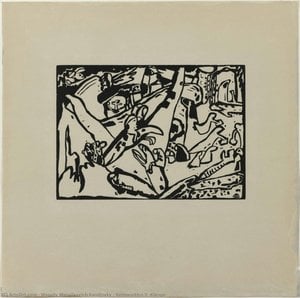
Untitled (13)

"Untitled (13)" by Jackson Pollock embodies Abstract Expressionism's dynamism—a layered pen drawing featuring nine figures around a prominent clock. Explore its influence & legacy within modern art history. #Pollock #AbstractExpressionism

Paul Jackson Pollock (1912-1956) byl americký malíř, průkopník abstrakce a „drip“ techniky. Jeho dynamické, expresivní obrazové plochy, jako "Blue Poles", definovaly moderní umění a ovlivnily generace umělců. #Pollock #Abstraktníexpresionismus

Koupě vysoce rozlišeného, vylepšeného digitálního obrazu, který je mnohem kvalitnější než online náhled.

Každý soubor je pečlivě připraven našimi odborníky pomocí pokročilých nástrojů a expertní manuální retuše. Zajišťujeme, aby každý obraz disponoval výjimečnou ostrostí, přesnou barevnou věrností a jemnými detaily.

Finální soubor vám bude do 72 hodin zaslán e-mailem, optimalizovaný pro okamžité použití v profesionálním, redakčním i tiskovém prostředí. Nabízíme stejnou kvalitu, které důvěřují špičková designová studia, nakladatelství i galerie.

Digitální obrazy

Stáhněte si soubor ve vysokém rozlišení pro osobní prohlížení, tisk a kreativní projekty.

Celková cena

$9.99

Součást každé objednávky digitálního obrazu

Profesionální digitální doručení, zaručeno.

Když si vyberete WahooArt.com, nezískáváte pouze obrázek – získáváte digitální umělecké dílo s profesionálně vylepšenými detaily, zpracované s precizností a podpořené zárukou za spokojenost. Zde je vše, co vaše objednávka automaticky obsahuje:

shipping_icon
Rychlé doručení e-mailem

Váš digitální obraz ve vysokém rozlišení vám bude zaslán e-mailem do 72 hodin od objednávky – připraven k okamžitému použití.

canvas_icon
Digitální soubor s využitím AI

Vaše umělecké dílo je profesionálně optimalizováno pomocí pokročilých nástrojů umělé inteligence a manuální úpravy, což zajišťuje maximální úroveň detailu, ostrosti a přesnosti barev.

insurance_icon
Bezplatné doživotní znovuodeslání

Soubor jste omylem smazali nebo ztratili? Žádný problém – kdykoliv vám ho znovu zašleme zcela zdarma.

tax_icon
Bez poplatků za dovoz – navždy

Užijte si své umělecké dílo okamžitě bez celních poplatků, daní nebo nákladů na dopravu – digitální stažení je vždy bez daňových povinností.

color_icon
Záruka přesnosti barev

Pomocí profesionálních nástrojů a správy barev zajišťujeme, aby váš digitální obraz odrážel původní barvy co nejvěrněji.

return_icon
60denní záruka spokojenosti

Pokud nebudete s digitální fotografií spokojeni, provedeme její revizi nebo vám vrátíme 100% během 60 dnů – bez jakýchkoliv dotazů.

guarantee_icon
100% záruka vrácení peněz

Nespokojeni? Získejte plnou částku zpět do 60 dní od přijetí vašeho digitálního souboru – bez jakýchkoliv dotazů.

discount_icon
Slevy při hromadných objednávkách

Koupěte si 3 obrazy, ušetřete 10% - Koupěte si 5, ušetřete 15% - Koupěte si 10+, ušetřete 20%. Ideální pro kreativní projekty, galerie a agentury.

Základní informace

  • Artistic style: Action Painting
  • Notable elements or techniques: Drip painting technique
  • Influences:
    • Regionalist painters
    • Surrealism
  • Title: Untitled (13)
  • Dimensions: 39 x 34 cm
  • Medium: Pen drawing
  • Subject or theme: Group of people, Clock

Kvíz o umění

U každé otázky je pouze jedna správná odpověď.

Otázka 1:
What artistic movement is Jackson Pollock associated with?
Otázka 2:
In what year was "Untitled (13)" created?
Otázka 3:
What medium did Jackson Pollock primarily use in this drawing?
Otázka 4:
The clock hanging on the wall above the group of people is a significant element because it:
Otázka 5:
Which museum houses a notable collection of modern and contemporary art featuring works by Jackson Pollock?

Popis sběratelského kusu

Jackson Pollock: A Pioneer of Abstract Expressionism

Jackson Pollock (1912-1956) stands as one of the most influential figures in 20th-century art, irrevocably altering the landscape of painting and establishing Abstract Expressionism as a dominant artistic movement. Born Paul Jackson Pollock in Cody, Wyoming, his early life was marked by nomadic tendencies—a characteristic that arguably fueled his restless creative spirit. He honed his skills at Manual Arts High School in Los Angeles and pursued further studies at NYU and the Art Students League, absorbing foundational techniques from traditional painters like Benton and Siqueiros. Yet, it was Pollock’s embrace of Surrealism and exploration of mythological themes that truly propelled him toward a revolutionary vision.

The Birth of Action Painting

Pollock's artistic journey began with representational landscapes influenced by regionalist aesthetics—a stylistic detour before he decisively shifted towards abstraction in the 1940s. This pivotal period witnessed an experimentation with diverse subjects, including mythology and Surrealism, aiming to convey profound emotional truths. His groundbreaking technique – drip painting – emerged from a desire to liberate art from conventional constraints and capture spontaneous movement and energy on canvas. Rejecting brushstrokes as instruments of control, Pollock dripped, splashed, flung, and poured pigment onto canvases laid horizontally on the floor, creating mesmerizing patterns that defied linear perspective and traditional compositional rules. This method, dubbed “action painting,” became synonymous with Pollock’s artistic identity and profoundly impacted subsequent generations of artists.

“Untitled (13)” – Decoding Complexity

“Untitled (13),” created in 1943, exemplifies Pollock's signature style—a pen drawing measuring 39 x 34 cm that initially presents as a gathering of individuals around a central circle. However, closer scrutiny reveals at least nine figures positioned strategically throughout the composition, highlighting the artist’s meticulous attention to detail and spatial arrangement. Dominating the scene is a large clock hanging on the wall above the group—a deliberate element that amplifies its sense of scale and contributes to an atmosphere of contemplation. The drawing's intricate layering of lines and textures invites viewers to delve into its symbolic depths, prompting questions about human interaction and time’s passage.

Pollock’s Legacy: Influence Beyond Canvas

Pollock’s influence extended far beyond his own artistic output. He was profoundly impacted by movements like Surrealism and Native American art—influences that informed his exploration of themes related to tragedy and spirituality. Notably, he collaborated with Ernest Briggs, another prominent Abstract Expressionist, demonstrating a shared commitment to pushing the boundaries of artistic expression. His later works embraced rectangular color fields—a stylistic hallmark that solidified his position as a pioneer of Color Field Painting. Artists like Briggs absorbed Pollock’s innovative approach, furthering the dissemination of Abstract Expressionism's principles.

Notable Museums and Exhibitions

“Untitled (13)” can be admired at Jackson Pollock: Untitled 29, Untitled (13), Jackson Pollock: Untitled 6, and Jackson Pollock: Untitled 26 respectively. The Tate Modern in London houses a significant collection of modern and contemporary art—a testament to Pollock’s enduring influence on artistic discourse. Discover more about this museum at Tate Modern.
  • Jackson Pollock was a key figure in the development of Abstract Expressionism.
  • “Untitled (13)” showcases his early experimentation with abstract forms.
  • The painting’s unique composition and oversized clock add to its enigmatic nature.
  • Pollock's influence can be seen in the work of other artists like Ernest Briggs.
  • Tate Modern is a significant museum housing modern and contemporary art collections.
Abstract Expressionism—characterized by its emphasis on spontaneous creativity and emotional intensity—continues to captivate audiences worldwide. Through “Untitled (13),” we gain insight into Pollock’s artistic evolution, establishing the groundwork for his subsequent masterpieces that redefined the boundaries of art and cemented his place as a visionary innovator. As we contemplate this remarkable piece, it reminds us of Pollock's profound contribution to the history of painting and inspires appreciation for its enduring aesthetic power.

Podobná umělecká díla

Willem de Kooning - Standing Man
Willem de Kooning
Standing Man
Jackson Pollock - Black Pouring over Color
Jackson Pollock
Black Pouring over Color
Jackson Pollock - Eyes in the Heat
Jackson Pollock
Eyes in the Heat
Jackson Pollock - Circle
Jackson Pollock
Circle
Jackson Pollock - Shimmering Substance
Jackson Pollock
Shimmering Substance
Marc Chagall - Song of Songs III
Marc Chagall
Song of Songs III
Jackson Pollock - Male and Female
Jackson Pollock
Male and Female
Jackson Pollock - Untitled 13
Jackson Pollock
Untitled 13
Jackson Pollock - Cut out
Jackson Pollock
Cut out
Jackson Pollock - Number 6
Jackson Pollock
Number 6

Biografie umělce

Early Life and the Seeds of Innovation

Paul Jackson Pollock, born in Cody, Wyoming, in 1912, was a restless spirit from the outset. His early life was marked by frequent relocation as his father, LeRoy Pollock, pursued work as a land surveyor across the vast landscapes of the American West. This itinerant existence instilled in young Pollock a deep connection to the natural world and an exposure to diverse cultures, particularly through encounters with Native American art during those surveying trips – impressions that would subtly permeate his artistic vision later in life. Though he never explicitly imitated Indigenous styles, the raw energy and spiritual resonance of these early experiences undoubtedly left their mark. Pollock’s formal artistic training began at the Manual Arts High School in Los Angeles, followed by studies at the Art Students League of New York under the tutelage of Thomas Hart Benton. Benton, a prominent figure in the Regionalist movement, emphasized rhythmic composition and narrative themes rooted in American life. While Pollock initially absorbed these lessons, his inherent inclination leaned toward more abstract explorations. He was also profoundly impacted by Mexican muralists like José Clemente Orozco, whose powerful depictions of social struggle resonated deeply with him. These early influences laid a foundation, but it was the burgeoning world of Surrealism that truly unlocked Pollock’s artistic potential.

The Birth of Action Painting and a Revolutionary Technique

The 1930s saw Pollock experimenting with various techniques, seeking alternatives to traditional brushwork. He began pouring paint, exploring its fluidity and unpredictable nature. However, it was around 1947 that his artistic trajectory underwent a radical transformation. Abandoning the easel altogether, Pollock laid canvases directly on the floor, initiating what would become known as his “drip technique.” He then proceeded to drip, splash, and fling paint onto the canvas from above, orchestrating a dynamic dance between artist, medium, and surface. This wasn’t merely about applying paint; it was about embodying the act of creation itself. Pollock's canvases became arenas for physical expression, capturing the immediacy of his gestures and emotions. The resulting paintings are characterized by their “all-over” composition – a lack of central focus that invites the viewer to explore the entire surface as a unified field of energy. Intricate networks of lines and colors intertwine, creating a visual complexity that is both captivating and challenging. He employed unconventional tools—sticks, knives, even syringes—to manipulate the paint in unpredictable ways, further emphasizing the spontaneous nature of his process.
  • The technique involved covering the entire canvas with layers of thinned paint.
  • He used sticks, knives, and other implements to drip and fling paint onto the surface.
  • This method allowed him to work from all angles, creating a dynamic and immersive experience.

Influence and Early Style

Pollock’s early artistic development was significantly shaped by several key influences. The stark landscapes of the American West, coupled with his exposure to Native American art during surveying trips, instilled in him a deep appreciation for raw energy and primal forms. He also drew inspiration from European modernists like Pablo Picasso and André Masson, whose explorations of abstraction and subconscious imagery resonated with his own artistic sensibilities. His time at the Art Students League under Thomas Hart Benton exposed him to Regionalist painting, which emphasized narrative themes rooted in American life – a style he initially embraced before ultimately forging his own unique path. Key Influences:
  • Thomas Hart Benton (Regionalism)
  • José Clemente Orozco (Mexican Muralism)
  • Pablo Picasso & André Masson (Surrealism and Abstraction)

The Rise of Action Painting and Recognition

By the mid-1940s, Pollock’s innovative techniques and increasingly bold compositions began to attract attention within the New York art scene. His work was exhibited at galleries like Peggy Guggenheim's Art of This Century, where it initially faced mixed reactions – some critics dismissed his approach as chaotic or lacking skill, while others recognized its groundbreaking potential. However, the momentum continued to build, fueled by the growing interest in Abstract Expressionism, a movement that sought to capture the essence of human experience through non-representational imagery and spontaneous gesture. The term “action painting” emerged to describe Pollock’s method – emphasizing the physical act of creation as central to the artistic process.

Iconic Works and Lasting Legacy

Pollock's most celebrated works—such as Number 1, 1950 (Lavender Mist), One: Number 31, 1950, Blue Poles: Number 11, 1952, and *Convergence*—are testaments to his revolutionary technique. These paintings are not simply images; they are records of a performance, imbued with the artist’s physical presence and emotional intensity. The dynamic energy that emanates from these canvases is palpable, drawing viewers into a world of pure abstraction. Notable Works:
  • Number 1, 1950 (Lavender Mist)
  • One: Number 31, 1950
  • Blue Poles: Number 11, 1952
  • *Convergence*
Pollock’s impact on the history of art is immeasurable. He fundamentally altered the way artists approached painting, breaking free from easel-based methods and embracing a more performative approach. His work helped solidify New York City's position as a global center for modern art, shifting the focus away from European dominance. His influence can be seen in the work of countless artists who followed, including those associated with Color Field painting and later forms of abstract expressionism. Despite initial skepticism, Pollock’s legacy is now firmly established as one of the most important and influential figures in 20th-century art.

Jackson Pollock

Jackson Pollock

1912 - 1956 , Spojené státy americké

Stručné informace

  • Artistic Movement Or Style: Abstraktní expresionismus
  • Artists Or Movements Influenced By This Artist: ['Surrealismus']
  • Artists Who Influenced This Artist: ['Thomas Hart Benton']
  • Date Of Birth: 28. ledna 1912
  • Date Of Death: 11. srpna 1956
  • Full Name: Paul Jackson Pollock
  • Nationality: Američan
  • Notable Artworks:
    • Number 1, 1950
    • Blue Poles
    • Convergence
  • Place Of Birth: Cody, Wyoming