BEZPLATNÉ UMĚLECKÉ PORADENSTVÍ

x
Objednat reprodukci Objednat reprodukciKoupit digitální obrázek Koupit digitální obrázek SdíletSdílet
DetailsDetails Přidat do oblíbených Přidat do oblíbených StáhnoutStáhnout Podobné položkyPodobné položky X-RayX-Ray SlideshowSlideshow

Figure

Explore 'Figure' by Jackson Pollock – a dynamic Cubist-influenced work showcasing fragmented forms and a striking monochromatic palette. Discover the power of abstraction!

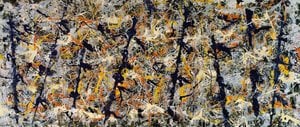
Paul Jackson Pollock (1912-1956) byl americký malíř, průkopník abstrakce a „drip“ techniky. Jeho dynamické, expresivní obrazové plochy, jako "Blue Poles", definovaly moderní umění a ovlivnily generace umělců. #Pollock #Abstraktníexpresionismus

Giclée / Umělecký tisk

Giclée nebo plátěný tisk muzeální kvality s rychlou výrobou a flexibilními možnostmi povrchové úpravy.

P118B $10
P118H $10
P118W $10
P438Z $10
P508JH $12
P508YH $12
P805H $10
P805Z $10
P919BZ $10
P919G $10
P919XJ $10
P959ZH $10
P968JZ $12
W106C $8
W218G $10
W218JH $8
W218Y $10
W307PJ $10
W316G $10
W316PJ $8
W316Y $10
W398PJ $8
W4111J $10
W500HY $15
W500JH $15
W692G $12
W849H $8
W940BG $15
W953PJ $8

Standard
custom
CM
INCH

Vyberte si z našich přednastavených velikostí, které odpovídají původním proporcím díla.

šířka
výška

Můžete zadat vlastní rozměry tak, aby výtvor odpovídal konkrétnímu rámu nebo prostoru. Pokud zvolená velikost nebude odpovídat poměru stran původního obrazu, dílo buď ořížeme, nebo obraz rozšíříme pomocí zrcadlového efektu či jednobarevného okraje. Před zahájením výroby vám bude zaslán digitální náhled k schválení.
Mějte prosím na paměti, že náhled na obrazovce neodráží skutečné oříznutí nebo rozšíření. Pouze digitální náhled přesně zobrazí finální kompozici.
Ačkoliv jsou k dispozici i vlastní rozměry, pro zachování původních proporcí doporučujeme vybrat si rozměr z předdefinovaného seznamu.

Celosvětové doručení () do 2 týdnů namísto standardních 4/5 týdnů. (2 červenec)

why_choose_icon
Zdarma celosvětová expresní doprava
why_choose_icon
Vysoce kvalitní lněné plátno
why_choose_icon
Kompletní přepravní pojištění
why_choose_icon
Záruka vrácení celního poplatku
why_choose_icon
Záruka přesného barevného shodu
why_choose_icon
60denní lhůta pro vrácení zboží (pouze při vadách výroby)
why_choose_icon
100% garance vrácení peněz
why_choose_icon
Sleva při hromadné objednávce

Celková cena

-

reproduction

Figure

Giclée / Umělecký tisk

Rozměry reprodukce

-

Celková cena za výběr

-

Základní informace

  • Artist: Jackson Pollock
  • Notable elements or techniques: Geometric shapes, monochrome
  • Influences: Pablo Picasso
  • Subject or theme: Reclining figure
  • Title: Figure

Kvíz o umění

U každé otázky je pouze jedna správná odpověď.

Otázka 1:
Based on the provided description, which artistic movement is most strongly associated with this artwork?
Otázka 2:
What is the dominant color palette used in this artwork?
Otázka 3:
According to the artist biography, which earlier artistic style initially influenced Jackson Pollock?
Otázka 4:
The description notes the figure is rendered using what type of shapes?
Otázka 5:
What technique is Jackson Pollock most famously known for, which developed *after* the style seen in this work?

Popis sběratelského kousku

A Fragmented Vision: Decoding Jackson Pollock’s “Figure”

Jackson Pollock, a name synonymous with Abstract Expressionism and the revolutionary ‘drip’ technique, also harbored a period of intensely focused figuration that often goes unacknowledged. The work simply titled “Figure,” dating from an uncertain point in his career but demonstrably aligning with his explorations around 1942, offers a compelling glimpse into this transitional phase. It is not the Pollock of flung paint and boundless energy, but one grappling with form, space, and the legacy of Cubism – specifically echoing the fragmented perspectives pioneered by Pablo Picasso. This piece isn’t about depicting a body as it *is*, but rather how it is *perceived*—a deconstruction of anatomical reality into geometric planes and angular shapes. The monochromatic palette, restricted to shades of gray, white, and black, amplifies this sense of intellectual dissection, stripping away the warmth of flesh and focusing instead on structural analysis.

The Echoes of Cubism and Early Influences

To understand “Figure,” one must consider Pollock’s artistic lineage. His early training included exposure to Regionalist painters like Thomas Hart Benton, but it was his encounter with the European avant-garde – particularly Picasso and Surrealism – that truly ignited his creative evolution. The influence of Cubism is undeniable here; the reclining figure isn't presented from a single viewpoint, but rather as if viewed simultaneously from multiple angles. Limbs are fractured, torsos reassembled, creating a dynamic instability that challenges traditional notions of representation. This wasn’t merely stylistic imitation, however. Pollock was actively engaging with the philosophical underpinnings of Cubism – its attempt to represent not just what is seen, but how it is known. The starkness of the composition and limited color scheme further emphasize this intellectual approach, creating a sense of mystery and introspection. The work feels less like an observation of the human form and more like an exploration of the very act of seeing.

Technique and Emotional Resonance

While “Figure” predates Pollock’s signature drip paintings, it reveals his developing mastery of line and texture. The artwork is likely executed in charcoal or graphite on paper, with a dense layering of lines creating both definition and visual depth. These aren't delicate strokes; they are bold, assertive marks that define the edges of fragmented forms and build up a network of intersecting planes. The combination of straight and subtly curved lines adds complexity to the composition, preventing it from becoming overly rigid. The absence of traditional perspective flattens the space, forcing the viewer to confront the figure as a collection of shapes rather than an illusionistic representation. This flattening contributes to the artwork’s emotional impact – a sense of alienation, perhaps, or the fragmentation of modern experience. The dark background doesn't offer solace but instead intensifies the feeling of isolation and invites contemplation on the complexities of human perception.

A Stepping Stone to Abstraction

“Figure” is not an endpoint in Pollock’s artistic journey; it’s a crucial stepping stone. It demonstrates his willingness to break from convention, to experiment with form and space, and to explore the psychological dimensions of representation. While he would eventually abandon figuration altogether in favor of pure abstraction, this work reveals the intellectual rigor and formal concerns that underpinned his later innovations. It's a reminder that even the most radical artists build upon the foundations laid by their predecessors, and that seemingly disparate styles can be connected by underlying principles of artistic inquiry. For collectors and interior designers, a reproduction of “Figure” offers not just an aesthetically compelling piece but also a window into the mind of one of the 20th century’s most influential artists—a testament to his restless spirit and unwavering commitment to pushing the boundaries of art.

Podobná umělecká díla


Biografie umělce

Early Life and the Seeds of Innovation

Paul Jackson Pollock, born in Cody, Wyoming, in 1912, was a restless spirit from the outset. His early life was marked by frequent relocation as his father, LeRoy Pollock, pursued work as a land surveyor across the vast landscapes of the American West. This itinerant existence instilled in young Pollock a deep connection to the natural world and an exposure to diverse cultures, particularly through encounters with Native American art during those surveying trips – impressions that would subtly permeate his artistic vision later in life. Though he never explicitly imitated Indigenous styles, the raw energy and spiritual resonance of these early experiences undoubtedly left their mark. Pollock’s formal artistic training began at the Manual Arts High School in Los Angeles, followed by studies at the Art Students League of New York under the tutelage of Thomas Hart Benton. Benton, a prominent figure in the Regionalist movement, emphasized rhythmic composition and narrative themes rooted in American life. While Pollock initially absorbed these lessons, his inherent inclination leaned toward more abstract explorations. He was also profoundly impacted by Mexican muralists like José Clemente Orozco, whose powerful depictions of social struggle resonated deeply with him. These early influences laid a foundation, but it was the burgeoning world of Surrealism that truly unlocked Pollock’s artistic potential.

The Birth of Action Painting and a Revolutionary Technique

The 1930s saw Pollock experimenting with various techniques, seeking alternatives to traditional brushwork. He began pouring paint, exploring its fluidity and unpredictable nature. However, it was around 1947 that his artistic trajectory underwent a radical transformation. Abandoning the easel altogether, Pollock laid canvases directly on the floor, initiating what would become known as his “drip technique.” He then proceeded to drip, splash, and fling paint onto the canvas from above, orchestrating a dynamic dance between artist, medium, and surface. This wasn’t merely about applying paint; it was about embodying the act of creation itself. Pollock's canvases became arenas for physical expression, capturing the immediacy of his gestures and emotions. The resulting paintings are characterized by their “all-over” composition – a lack of central focus that invites the viewer to explore the entire surface as a unified field of energy. Intricate networks of lines and colors intertwine, creating a visual complexity that is both captivating and challenging. He employed unconventional tools—sticks, knives, even syringes—to manipulate the paint in unpredictable ways, further emphasizing the spontaneous nature of his process.
  • The technique involved covering the entire canvas with layers of thinned paint.
  • He used sticks, knives, and other implements to drip and fling paint onto the surface.
  • This method allowed him to work from all angles, creating a dynamic and immersive experience.

Influence and Early Style

Pollock’s early artistic development was significantly shaped by several key influences. The stark landscapes of the American West, coupled with his exposure to Native American art during surveying trips, instilled in him a deep appreciation for raw energy and primal forms. He also drew inspiration from European modernists like Pablo Picasso and André Masson, whose explorations of abstraction and subconscious imagery resonated with his own artistic sensibilities. His time at the Art Students League under Thomas Hart Benton exposed him to Regionalist painting, which emphasized narrative themes rooted in American life – a style he initially embraced before ultimately forging his own unique path. Key Influences:
  • Thomas Hart Benton (Regionalism)
  • José Clemente Orozco (Mexican Muralism)
  • Pablo Picasso & André Masson (Surrealism and Abstraction)

The Rise of Action Painting and Recognition

By the mid-1940s, Pollock’s innovative techniques and increasingly bold compositions began to attract attention within the New York art scene. His work was exhibited at galleries like Peggy Guggenheim's Art of This Century, where it initially faced mixed reactions – some critics dismissed his approach as chaotic or lacking skill, while others recognized its groundbreaking potential. However, the momentum continued to build, fueled by the growing interest in Abstract Expressionism, a movement that sought to capture the essence of human experience through non-representational imagery and spontaneous gesture. The term “action painting” emerged to describe Pollock’s method – emphasizing the physical act of creation as central to the artistic process.

Iconic Works and Lasting Legacy

Pollock's most celebrated works—such as Number 1, 1950 (Lavender Mist), One: Number 31, 1950, Blue Poles: Number 11, 1952, and *Convergence*—are testaments to his revolutionary technique. These paintings are not simply images; they are records of a performance, imbued with the artist’s physical presence and emotional intensity. The dynamic energy that emanates from these canvases is palpable, drawing viewers into a world of pure abstraction. Notable Works:
  • Number 1, 1950 (Lavender Mist)
  • One: Number 31, 1950
  • Blue Poles: Number 11, 1952
  • *Convergence*
Pollock’s impact on the history of art is immeasurable. He fundamentally altered the way artists approached painting, breaking free from easel-based methods and embracing a more performative approach. His work helped solidify New York City's position as a global center for modern art, shifting the focus away from European dominance. His influence can be seen in the work of countless artists who followed, including those associated with Color Field painting and later forms of abstract expressionism. Despite initial skepticism, Pollock’s legacy is now firmly established as one of the most important and influential figures in 20th-century art.

Jackson Pollock

Jackson Pollock

1912 - 1956 , Spojené státy americké

Rychlé fakta

  • Artistic Movement Or Style: Abstraktní expresionismus
  • Artists Or Movements Influenced By This Artist: ['Surrealismus']
  • Artists Who Influenced This Artist: ['Thomas Hart Benton']
  • Date Of Birth: 28. ledna 1912
  • Date Of Death: 11. srpna 1956
  • Full Name: Paul Jackson Pollock
  • Nationality: Američan
  • Notable Artworks:
    • Number 1, 1950
    • Blue Poles
    • Convergence
  • Place Of Birth: Cody, Wyoming
Prozkoumejte umělecká díla uspořádaná podle témat, stylů a charakteristik.