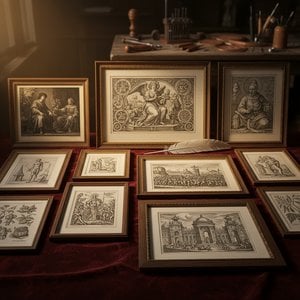
A Life Etched in Shadow and Light: The World of Gustave Doré
Paul Gustave Louis Christophe Doré, známý po celém světě jako Gustave Doré, byl postava, která se nacházela na pomezí světa ilustrace, malířství a sochařství s úžasnou zručností. Narodil se ve Štrasburku, Francie, 6. ledna 1832, a jeho život se rozvíjel během období obrovských společenských a uměleckých změn – doby, kdy romantismus stále převládal, ale ustupoval novým proudům realismu a symbolismu. Už v dětství projevoval předpoklad talentu, ne jen v kreslení – což začal dělat v nesmírném mladém věku – ale i v osobnosti, která naznačovala dramatický patos, který by se později stal definujícím rysem jeho díla. Počítají příběhy o dětinských žertích, které dokazovaly zralost nad jeho věkem, předznamenávající složité a často melancholické témata, která pronikala do jeho umění. Začal svou profesní kariéru již v pouhých patnácti letech jako karikaturista pro francouzské časopisy *Le Journal pour rire*, kde si osvojoval dovednosti pozorování a kompozice v rušném světě pařížského satiry.
Od Karikatur k Literárním Gigantům: Vzestup Ilustrátora
Doréovy rané zakázky položily základy pro jeho budoucí slávu. Díla jako *Les Travaux d'Hercule* (1847), *Trois artistes incompris et mécontents* (1851) a *Les Dés-agréments d'un voyage d'agrément* (1851) ukazují rozvíjející se talent pro dynamickou kompozici a mistrné používání světla a stínu, i když v těchto relativně malých počátcích. Silně ovlivnil ilustrace J.J. Grandville, jehož fantastické obrazy a satirický styl rezonovaly s Doréovým rozvíjejícím se stylem. Nicméně to bylo prostřednictvím spolupráce s literárními giganty, že Doré skutečně dosáhl povýšení. V roce 1853 obdržel zakázku ilustrovat díla Lorda Byrona, což otevřelo dveře dalším prestižním projektům. Monumentální úkol ilustrovat Bibli následoval, projekt, který upevnil jeho reputaci a přinesl jeho umění před rozsáhlé mezinárodní publikum. Jeho ilustrace Cervantesovy *Ducha mysli* (Don Quijote) z 1860. let byly zvláště působivé a hluboce ovlivnily pozdější interpretace postav a příběhu. Nevytvořil jen ilustrace těchto příběhů; předsudkově je reinterpretoval, obdařil je dramatickou intenzitou, která vzbudila fantazii čtenářů po celém světě. Jeho spolupráce na *Londýně: Cestování* (1872) s Blanchardem Jerroldem byla zvláště patetická a kontroverzní práce, zobrazující drsné realitě pařížské chudoby v dobové Viktorii a vyvolávající debatu o sociálních podmínkách.
Mistr Techniky: Vytvoření dřevorutiny a romantický vize
Doréův umělecký talent nesl nejen jeho imaginativní vizi, ale také mistrovství techniky, zejména ve dřevorutině. Měl neobyčejnou schopnost vytvářet vysoce detailní a dramatické obrazy prostřednictvím tohoto média, což mu umožnilo masové reprodukce a široké šíření jeho díla. Jeho kompozice jsou charakterizovány dynamikou, silnými kontrasty mezi světlem a stínem – technikou známou jako chiaroscuro – a pocitem grandeuru, který často vyvolává pocit úžasu nebo dokonce hrůzy. Často využíval tým řezných bloků k překladu svých návrhů do dřevorutiny, což umožnilo efektivní výrobu potřebnou pro uspokojení požadavků vydavatelů a čtenářů. Jeho styl je pevně zakotven v romantické tradici, zdůrazňující emoce, fantazii a nadpozemský – fascinaci s mocí přírody a lidského stavu. Nevytvářel jen záznamy o scénách; interpretoval je prostřednictvím zvýšené emocionální intenzity a dramatického patosu. Tento přístup, i když byl oslavován mnoha současníky, našel kritiku od některých, kteří považovali jeho styl za příliš teatrální nebo nepatřičný.
Dědictví a trvalý vliv
Gustave Doré obdržel titul šlechtiče z Légie čestné (Chevalier de la Légion d'honneur) od francouzského státu v roce 1861, což bylo svědectvím rostoucího uznání v uměleckých kruhy. Nicméně jeho skutečné dědictví přesahuje ceny a ocenění. Jeho ilustrace měly hluboký dopad na vizuální kulturu, ovlivňovaly umělce a čtenáře po generace. Vincent van Gogh byl mezi těmi, kteří byli hluboce inspirováni Doréovým dílem, zejména jeho vyobrazení utrpení a nouze, rozpoznával v něm sdílenou citlivost k lidskému stavu. Přestože čelil kritice během svého života – někteří považovali jeho styl za příliš dramatický nebo nepatřičný – jeho dílo je dnes oslavováno pro svou uměleckou hodnotu a historickou důležitost. Jeho ilustrace nadále formují naše chápání klasických literárních děl a viktoriánské společnosti, nabízejí silnou vizuální interpretaci nevýslovných příběhů a trvalých témat. Zemřel 23. ledna 1883 a zanechal rozsáhlé dílo, které nadále okouzluje a inspiruje. *Jeho umění je svědectvím o síle ilustrace nejen zobrazovat, ale i interpretovat a transformovat svět kolem nás.*
Významné díla
- Prodavači květin v Londýně (1875): Patetické znázornění viktoriánské chudoby a odolnosti, ukazující rodinné vazby v souvislosti s nouzí.
- Křesťané mučedníci: Zvláštní mistrovské dílo zobrazující víru a pronásledování s velkou emocí.
- Ilustrace k Božské komedii Dantes: Možná jeho ikonické dílo, tyto rytiny přinesly děsivé vize Danteského pekla k životu s neuvěřitelnou intenzitou.
- Ilustrace k Ztracenému ráji Miltona: Doréova interpretace tohoto epického básně je proslulá svým grandeur a dramatickým patosem.
- Cestovatel bez domova (1856): Populární dílo, i když obsahuje antisemitistické podtóny odrážející dobu,



 Zobrazit v interiéru
 Objednat ručně malovanou reprodukci
 Odeslat
 Sdílet
 Podrobnosti
 Průvodce

 Stáhnout obrázek
 Podobné kousky
 Rentgenové snímky
 Slideshow
 Statistiky

 Přečíst si více






































 Skleněná varianta je dostupná pouze u rozměrů menších než 110 cm