Biografie umělce
A Dream Weaver: The Life and Art of Paul Delvaux
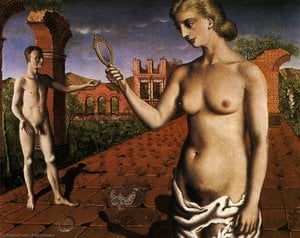
Paul Delvaux (23. září 1897, Antheit – 20. červenec 1994, Veurne) byl belgický malíř, který se stal jedním z nejvýraznějších představitelů surrealismu, i když se často vyhýbal striktnímu zařazení do tohoto směru. Jeho rané roky byly ovlivněny protichodnými silami – důslednou disciplínou klasického vzdělání v řečtině a latině, vedle fantastických světů inspirovaných Julesem Vernem a Homérovo *Odyssea*. Tato duality mezi řádem a představivostí se stala základem jeho uměleckého vize. Jeho rodiče původně plánovali, že se bude věnovat architektuře, ale Delvaux byl neodolatelně přitahován malířstvím a nakonec nastoupil na Akademii Royale des Beaux-Arts v Bruselu. I když mu matematické nároky architektury nevyšly, zkoumání umění ho naučilo precizní perspektivu a formu, které později využil k vytvoření znepokojivě realistických snů. Jeho rané díla odrážela tuto akademickou základnu – především krajiny v stylu postimpresionismu, ale už tehdy se začaly objevovat náznaky zvláštní atmosféry, která charakterizuje jeho dospělý umění.
The Birth of a Surreal Vision
Klíčový okamžik v uměleckém vývoji Delvauxe přinesla jeho setkání s pracemi Giorgia de Chirica. De Chiricoovy metafyzické malby – ostré, záhadné scény osazené stíny a klasickou architekturou – hluboce rezonovaly s Delvauxem a odemkly mu nový svět možností. Začal osazovat své plátna nude postavmi, často juxtaponovanými s impozantními architektonickými strukturami nebo v rozsáhlých, pustých krajinách. Tyto postavy nebyly pouhým zobrazením lidského těla; byly prozkoumáváním touhy, alienation a podvědomí. Vliv nizozemských expresionistů, jako byl Constant Permeke a Gustave De Smet, je také patrný v této době, přinášející do jeho palety jistou ponurou intenzitu. Nicméně Delvaux rychle překročil tyto vlivy a vytvořil styl, který byl jedinečný pro něj – kombinaci klasické preciznosti a snů. Jeho obrazy začaly evokovat pocit znepokojení, pocit, že pod povrchem reality se skrývá něco skrytého. Začaly se objevovat opakující se motivy: vlaky, kostlivci a ženy s zakrytými tvářemi, které přispívají k znepokojivé atmosféře jeho díla.
Recurring Motifs and Symbolic Language
Umělecký jazyk Delvauxe je bohatý na symboliku, i když se neustále bránil pokusům o doslovnou psychoanalytickou interpretaci. Nude postava, která je centrální postavou mnoha jeho obrazů, je často zobrazena jako pasivní nebo melancholická, ztělesňující jak touhu, tak zranitelnost. Vlaky a nádraží se často objevují jako symboly přechodu, vyhnanství a úzkostí modernosti. Kostlivci, daleko od morbidních symbolů smrti, představují strašidelnou přítomnost, připomínající nám smrtelnost, která proniká i do idylických scén. Klasická architektura poskytuje pozadí řádu a trvanlivosti, ale je často znázorněna zvláštním způsobem zkreslenou nebo neúplnou, což naznačuje křehkost pod povrchem. Tyto prvky nejsou jen dekorativní; jsou nedílnou součástí emocionálního a psychologického dopadu jeho díla. Například obraz Night Train zachycuje mnoho z těchto témat – anonymní postavy, impozantní architektura a pocit blížící se nebezpečí vytvářejí silný a nezapomenutelný obraz. Samotný umělec vysvětlil, že jeho motivy pocházely z osobních vzpomínek a dojmů, zejména z dětství, spíše než z vědomých snah o dekódování podvědomí.
Major Achievements and Lasting Influence
Během své dlouhé kariéry zůstal Paul Delvaux jedinečnou postavou v uměleckém světě. I když byl krátce spojen se surrealistickým hnutím, udržoval určitou nezávislost a odmítal striktně dodržovat jeho zásady. Jeho obrazy nadále fascinují publikum svou znepokojivou krásou a záhadnou atmosférou. Klíčová díla jako Sleeping Venus, The Summer, Grise City a několik verzí obrazu Night Train jsou vystavená v předních muzeích po celém světě, včetně Tate Gallery v Londýně a Musee de Toyama v Japonsku. Vliv Delvauxe lze sledovat ve dílech mnoha současných umělců, kteří zkoumají témata paměti, touhy a podvědomí. Ukázal, že surrealismus může existovat mimo hranice automatického psaní a analýzy snů, přijímá spíše precizní techniku a hluboce osobní vizi. Jeho dědictví přetrvává nejen prostřednictvím jeho obrazů, ale také díky trvalé síle jeho jedinečného uměleckého jazyka – jazyka, který stále mluví k našim nejhlubším strachům a touhám. Paul Delvaux Museum v Saint-Idesbald, Belgie, slouží jako důkaz jeho trvalého dopadu, kde se nachází největší sbírka jeho děl a nabízí návštěvníkům pohled do fascinujícího světa jeho fantazie.



 Náhled
 Přepnout na tisk
 Sdílet
 Sdílet
 Podrobnosti o díle

 Stáhnout
 Podobné položky
 Rentgenové snímky
 Slideshow
 Statistiky


 Zobrazit více






































 Skleněná varianta je dostupná pouze u rozměrů menších než 110 cm