A Landscape Reimagined: The Vision of Cézanne
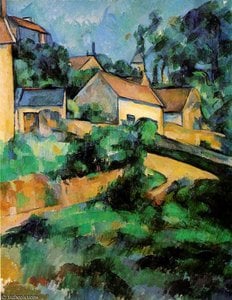
In the quiet strength of “Corner of Quarry,” painted in 1902, we encounter one of the most profound moments in the evolution of modern art. Paul Cézanne, a master who stood as the vital bridge between the fleeting light of Impressionism and the structural revolution of Cubism, presents us with more than just a view of a rocky hillside. This work is an intimate dialogue between the eye and the earth, capturing the rugged essence of the Provençal landscape with a revolutionary sense of permanence. As the sunlight washes over the ochre yellows and burnt oranges of the stone, the viewer is invited into a world where nature is not merely observed, but meticulously reconstructed through the artist's singular, transformative lens.
The composition breathes with a rhythmic vitality, leading the eye across a terrain of textured cliffs and scattered foliage. Trees and bushes are strategically placed to create a profound sense of depth, anchoring the foreground while allowing the rocky masses to recede into a sun-drenched distance. There is a palpable weight to the scene; the landscape feels ancient and unyielding, yet it vibrates with the warmth of a Mediterranean afternoon. For the collector or designer, this piece offers a grounding presence, bringing the organic majesty of the French countryside into any interior space through its balanced and monumental structure.
The Architecture of Color and Form
To gaze upon “Corner of Quary” is to witness the birth of a new pictorial language. Moving away from the soft, ephemeral edges favored by his Impressionist contemporaries, Cézanne employed a technique of dissecting the natural world into geometric planes. He did not seek to replicate the literal surface of the rocks, but rather to reveal their underlying architecture. Through thick, impasto brushstrokes, he built up layers of oil paint that create a physical texture on the canvas, making the sunlight feel as though it is caught within the very grain of the stone.
The color palette is both vibrant and earthy, utilizing deep greens to provide a lush contrast to the warm, sun-baked tones of the quarry. This deliberate use of color modulation—where shifts in hue define shape rather than traditional shading—foreshadowed the abstract movements of the 20th century. Every stroke serves a purpose, contributing to a sense of structural integrity that makes the painting feel as solid as the landscape it depicts. It is this masterful command of technique that allows the work to transcend simple landscape painting, becoming an exploration of how we perceive form and light.
A Legacy for the Modern Collector
Beyond its technical brilliance, “Corner of Quarry” carries an emotional resonance that speaks to the enduring beauty of the natural world. There is a sense of profound stillness within the work, a moment of geological time frozen in paint. For those looking to adorn a home or gallery with art that inspires contemplation, this piece provides a sophisticated focal point. It embodies a timeless elegance, blending the warmth of the Provençal sun with a rigorous intellectual depth.
Owning a high-quality reproduction of such a pivotal masterpiece allows one to live alongside a fragment of art history. Whether placed in a contemporary setting to provide organic texture or in a classic study to evoke a sense of heritage, this painting remains a testament to Cézanne’s enduring legacy as the "father of us all." It is an invitation to appreciate the structural beauty hidden within the wild, unrefined corners of our world.



 Náhled
 Přepnout na tisk
 Sdílet
 Sdílet
 Podrobnosti o díle

 Stáhnout
 Podobné položky
 Rentgenové snímky
 Slideshow
 Statistiky

 Zobrazit více






































 Skleněná varianta je dostupná pouze u rozměrů menších než 110 cm