Biografie umělce
Život a cesta Paula Cézanna: Od Aix-en-Provence k revoluci v malbě
Paul Cézanne, narozený roku 1839 v malebném Aix-en-Provence na jihu Francie, je bezesporu jednou z nejvýznamnějších postav přechodu mezi impresionismem a kubismem. Jeho umělecká dráha nebyla cestou okamžitého uznání; spíše to byla pomalá evoluce plná pochybností, kritiky a nakonec i trvalého dědictví, které navždy změnilo běh moderního umění. Cézanne pocházel z dobře situované rodiny – jeho otec byl původně kloboučník a později bankéř – což mu poskytlo finanční nezávislost neobvyklou pro začínajícího umělce, umožňující mu věnovat se své vášni bez existenčních starostí. Přestože ho otec zprvu směřoval ke studiu práva, neodolatelný tah k malířství zvítězil a Cézanne se rozhodl opustit právnickou kariéru, čímž si určil osud svého života. Mezi jeho rané inspirace patřil romantismus a krajinářská škola Barbizonské školy, ale klíčový zlom nastal díky setkáním s umělci jako Paul Gauguin a Georges Seurat, jejichž inovativní přístupy k barvě a formě Cézanna přivedly na jeho vlastní jedinečnou cestu.
Hledání struktury: Evoluce Cézannova stylu
Raná tvorba Paula Cézanna často odrážela dramatická témata romantické malby – tmavé palety a expresivní štětec dominovaly jeho plátnům. Tato počáteční fáze však byla pouhým stupněm k radikálnějšímu přístupu. Nespokojen s pouhým zachycením pomíjivých dojmů světla, jak to preferovali impresionisté, Cézanne se vydal na cestu porozumění a reprezentace vnitřní struktury samotných objektů. Nesnažil se jen o zobrazení *co* vidí, ale i *jak* vnímá základní formy tvořící realitu. To ho vedlo k rozkladu přírodních tvarů na jejich geometrické ekvivalenty – kužele, válce, koule – předznamenávající kubistickou revoluci o desítky let později. Jeho technika se vyznačovala malými, opakujícími se tahy štětcem, pečlivě vrstvenými pro budování komplexních barevných a texturových ploch, čímž vytvářel pocit pevnosti a hloubky dosud v malbě nevídaný. Nezajímala ho iluzorní perspektiva; často prezentoval objekty z několika úhlů současně, což narušovalo tradiční představy o prostoru a nutilo diváka aktivně se zapojit do konstruované povahy jeho kompozic. Toto záměrné zkreslení nebylo náhodné, ale pokus o hlubší pochopení formy, reprezentující nejen okamžik v čase, ale i syntézu vnímání.
Krajiny, zátiší a lidská postava: Klíčová díla a opakující se motivy
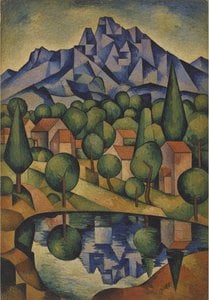
Cézannovo dílo je pozoruhodně rozmanité, zahrnuje krajiny, zátiší, portréty a zobrazení koupajících se žen, ale vše sjednocuje jeho jedinečný přístup k formě a barvě. Rybný rybník v Jas de Bouffan, namalovaný roku 1880, je příkladem jeho krajinářské tvorby, ukazující schopnost zachytit podstatu přírody pečlivým uspořádáním tvarů a tónů. Portrét Émila Zoly, vzniklý roku 1866, odhaluje jeho vyvíjející se styl a nabízí poutavý pohled do intelektuální intenzity jeho blízkého přítele a spisovatele. Jeho zátiší, například s jablky a dalším ovocem, nejsou pouhým zobrazením předmětů, ale spíše průzkumem objemu, světla a prostorových vztahů. Série Mont Sainte-Victoire se stala Cézannovou obsesí, opakujícím se motivem, který mu umožnil neúnavně zkoumat formu a perspektivu po celá desetiletí. Tyto obrazy nejsou pouhým zobrazením hory; jsou studiemi toho, jak vnímáme hloubku, objem a souhru světla a stínu. A konečně, jeho série Koupajících se žen, zobrazující nahé postavy v idylických krajinách, představuje hluboký průzkum lidské formy a jejího spojení s přírodou, často prosycené pocitem nadčasovosti a tichého rozjímání.
Dědictví utvářené inovacemi: Vliv Cézanna na moderní umění
Vliv Paula Cézanna na následující generace umělců je nesmírný. Je všeobecně považován za „otce moderního umění“ pro jeho průkopnický přínos do obrazového jazyka, který připravil cestu mnoha významným uměleckým směrům 20. století. Pablo Picasso a Georges Braque byli hluboce zadluženi Cézannovu důrazu na geometrické formy a víceúhlou perspektivu, které se staly základními principy kubismu. Jeho odvážné používání barvy inspirovalo také fauvisty vedené umělci jako Henri Matisse, kteří přijali živé, nenápadné odstíny. Dokonce i surrealisté našli rezonanci v Cézannově průzkumu subjektivního vnímání a psychologické hloubky. Kromě konkrétních směrů Cézannova trvání na osobní vizi umělce a odmítání tradičních akademických omezení osvobodilo generace malířů k prozkoumávání nových forem vyjádření. Zpochybnil samotnou definici reprezentace, posunul důraz od napodobování reality ke konstrukci vizuální zkušenosti založené na základní struktuře a subjektivním vnímání. Jeho smrt roku 1906 neznamenala konec, ale začátek – úsvit nové éry v dějinách umění, hluboce formované jeho revoluční vizí.



 Zobrazit v interiéru
 Přepnout na tiskové verze
 Odeslat
 Sdílet
 Podrobnosti
 Průvodce

 Stáhnout obrázek
 Podobné kousky
 Rentgenové snímky
 Slideshow
 Statistiky

 Přečíst si více






































 Skleněná varianta je dostupná pouze u rozměrů menších než 110 cm