Biografie umělce
Odilon Redon: Mistr Skrytých Světů
Odilon Redon, vlastním jménem Bertrand-Jean Redon, se narodil v Bordeaux roku 1840 a jeho život byl plný fascinace neviditelnými světy fantazie a snu. Jeho umělecká cesta nebyla zahájena s ambicemi velkoleposti, ale spíše tichým pozorováním; už ve svých deseti letech vyhrál kreslicí soutěž – předzvěst vizuální citlivosti, která definovala jeho životní dílo. I když byl rodinou směřován k architektuře, Redonův pravý záměr spočíval jinde, osvětlený instruktáží od Jean-Léona Gérôme a především Rodolphe Bresdina, který ho vedl v umění leptání a litografie – techniky, které se staly základem jeho raných průzkumů a umožnily mu ponořit se do světa stínů, záhadných postav a mlhavých obrazů, které brzy okouzlily ty, kteří hledali alternativu k akademické realitě. Přerušení Franco-pruské války ho vedlo do armády, ale po návratu do Paříže se jeho umělecké vize začaly formovat.
Narození Symbolismu: ‘Noirs’ a Rané Vize
Redonova raná kariéra byla charakteristická záměrným odstupem od současných uměleckých trendů. Nevěřil, že by měl kopírovat viditelný svět, ale spíše evokovat jeho skryté proudy – obavy, touhy a duchovní dlouhání, která se skrývají pod povrchem každodenního života. To vedlo k jeho slavné sérii „noirs“ – monochromních děl provedených v uhlu a litografii. Tyto díla nebyla pouhé studie ve tmě; byly průzkumy podvědomí, obývané zvláštními stvořeními, odříznutými očima a strašidelnými postavami vynášející se z mlhavých mraků. Vliv spisovatelů jako Edgar Allan Poe a Charles Baudelaire je zde patrný – sdílená fascinace hrůzou, záhadou a mocí sugestivnosti. Tato díla nebyla okamžitě přijata; Redon zůstal po mnoho let relativně neznámý. Nicméně klíčový moment nastal v roce 1884 s Joris-Karl Huysmansovým románem *À rebours* (Proti přirozenosti), kde dekadentní aristokrat Des Esseintes propagoval Redonovy kresby, čímž okamžitě zvýšil jeho status v avantgardních kruzích. Tato uznání mu umožnila dále rozvíjet svůj jedinečný umělecký jazyk.
Od Monochroma k Živému Vyjádření
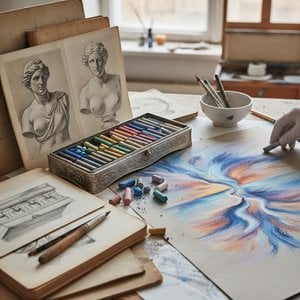
Zatímco „noirs“ stanovily Redona jako významnou postavu v Symbolismu, jeho dílo prošlo v 90. letech pozoruhodnou transformací. Začal přijímat barvy – nejdříve pastel a poté oleje – obohacujíc své kompozice o novou vitalitu a průsvitnost. Tento posun nebyl jen technický; odrážel se rozvíjející se emocionální krajinu samotného umělce. Raná díla často nesla pocit melancholie a izolace, ale pozdější malby odhalují rostoucí zájem o mytologii, buddhismus a japonské umění – *Japonism* byl významným vlivem. Díla jako *Smrt Buddhy* (1899) demonstrují tento zájem o východní spiritualitu, zatímco díla objednaná pro zámek barona Roberta de Domecy ukazují jeho schopnost kombinovat dekorativní prvky s symbolickými obrazy. Portréty baronky de Domecy a její dcery Jeanne jsou zvláště působivé příklady tohoto období, zachycující nejen fyzické podobnosti, ale i vnitřní život a psychologickou hloubku. Redon prozkoumal své vnitřní pocity a duševní stav prostřednictvím umění, s cílem „umístit viditelné ve službu neviditelnému.“
Vlivy a Inspirace
Redon byl ovlivněn řadou osobností a děl. Jean-Léon Gérôme ho naučil technikám malby, zatímco Rodolphe Bresdin mu poskytl cenné znalosti leptání a litografie. Vliv Edgar Allan Poe je patrný v jeho temných a tajemných obrazech, stejně jako Charles Baudelaire ve snaze evokovat podivné a surrealistické emoce. Jeho práce také odráží fascinaci starověkým Řekem a mytologií, což se projevuje v mnoha dílech, zejména v zobrazování centaurů, minotaurů a dalších fantastických bytostí. V 19. století byl Redon obzvláště inspirován novými teoriemi o evoluci, které spojovaly lidi s našimi zvířecími předky.
Dědictví a Dopad
Odilon Redonův dopad na umělecký svět přesahuje jeho vlastní životní dobu. Byl oceněn Légie čest v roce 1903 a jeho dílo získalo širší uznání díky výstavám v New Yorku, včetně významného Armory Show v roce 1913. Jen po jeho smrti v roce 1916 se však plně projevila jeho skutečná podstatnost. Redonova práce prozkoumávající sny, podvědomí a iracionalitu položila základy pro Surrealismus, inspirovala umělce jako Marcel Duchamp a Max Ernst k zkoumání podobných oblastí. Jeho důraz na subjektivní zkušenost a emocionální vyjádření rezonoval i s expresionisty. Redon nebyl jen zobrazován, co viděl; zobrazoval to, co cítil – princip, který inspiruje umělce dodnes. Jeho dědictví je jedním z umělecké odvahy, ochoty přijmout nejasné a hlubokou vírou v sílu umění odhalit skryté dimenze lidského zážitku.



 Náhled
 Přepnout na tisk
 Sdílet
 Sdílet
 Podrobnosti o díle

 Stáhnout
 Podobné položky
 Rentgenové snímky
 Slideshow
 Statistiky

 Zobrazit více






































 Skleněná varianta je dostupná pouze u rozměrů menších než 110 cm