Zobrazit v interiéru Zkusit v AR Objednat ručně malovanou reprodukci Přepnout na digitální verzi obrazu Odeslat
Podrobnosti Průvodce Přidat do oblíbených Stáhnout obrázek Podobné kousky Rentgenové snímky Slideshow Statistiky

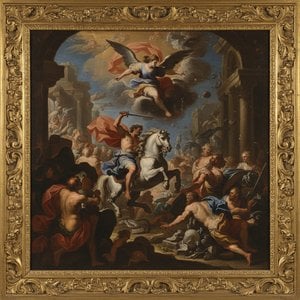
Landscape with Polyphemus

Poutní krajina s Polifémem od Poussina. Klasický obraz zobrazující řeckou mytologii v harmonické kompozici. Objevte krásu a sílu tohoto mistrovského díla!

Objevte mistrovské barokní díla Nikolase Poussina – známé pro klidné krajinky a mytologické příběhy inspirované klasickou antickou kulturou. Najdete ikonické výtvarné dílo na WahooArt.

Giclée / Umělecký tisk

Giclée nebo plátěný tisk muzeální kvality s rychlou výrobou a širokou nabídkou povrchových úprav. ( Objednat ručně malovanou reprodukci Přepnout na digitální verzi obrazu)

Corner sample of the P118B picture frame: moulded polystyrene, 5 cm wide and 3 cm thick
P118B Kč10
Corner sample of the P118H picture frame: moulded polystyrene, 5 cm wide and 3 cm thick
P118H Kč10
Corner sample of the P118W picture frame: moulded polystyrene, 5 cm wide and 3 cm thick
P118W Kč10
Corner sample of the P438Z picture frame: moulded polystyrene, 5.5 cm wide and 3.5 cm thick
P438Z Kč10
Corner sample of the P508JH picture frame: moulded polystyrene, 7 cm wide and 3.5 cm thick
P508JH Kč12
Corner sample of the P508YH picture frame: moulded polystyrene, 7 cm wide and 3.5 cm thick
P508YH Kč12
Corner sample of the P805H picture frame: moulded polystyrene, 5 cm wide and 3.5 cm thick
P805H Kč10
Corner sample of the P805Z picture frame: moulded polystyrene, 5 cm wide and 3.5 cm thick
P805Z Kč10
Corner sample of the P919BZ picture frame: moulded polystyrene, 7 cm wide and 3.5 cm thick
P919BZ Kč10
Corner sample of the P919G picture frame: moulded polystyrene, 7 cm wide and 3.5 cm thick
P919G Kč10
Corner sample of the P919XJ picture frame: moulded polystyrene, 7 cm wide and 3.5 cm thick
P919XJ Kč10
Corner sample of the P959ZH picture frame: moulded polystyrene, 5 cm wide and 3 cm thick
P959ZH Kč10
Corner sample of the P968JZ picture frame: moulded polystyrene, 6 cm wide and 4 cm thick
P968JZ Kč12
Corner sample of the W106C picture frame: solid wood, 5 cm wide and 3 cm thick
W106C Kč8
Corner sample of the W218G picture frame: solid wood, 5 cm wide and 3 cm thick
W218G Kč10
Corner sample of the W218JH picture frame: solid wood, 5 cm wide and 3 cm thick
W218JH Kč8
Corner sample of the W218Y picture frame: solid wood, 5 cm wide and 3 cm thick
W218Y Kč10
Corner sample of the W307PJ picture frame: solid wood, 6 cm wide and 3 cm thick
W307PJ Kč10
Corner sample of the W316G picture frame: solid wood, 6 cm wide and 3 cm thick
W316G Kč10
Corner sample of the W316PJ picture frame: solid wood, 6 cm wide and 3 cm thick
W316PJ Kč8
Corner sample of the W316Y picture frame: solid wood, 6 cm wide and 3 cm thick
W316Y Kč10
Corner sample of the W398PJ picture frame: solid wood, 5 cm wide and 3 cm thick
W398PJ Kč8
Corner sample of the W4111J picture frame: solid wood, 6.5 cm wide and 3.5 cm thick
W4111J Kč10
Corner sample of the W500HY picture frame: solid wood, 7 cm wide and 5 cm thick
W500HY Kč15
Corner sample of the W500JH picture frame: solid wood, 7 cm wide and 5 cm thick
W500JH Kč15
Corner sample of the W692G picture frame: solid wood, 8 cm wide and 4 cm thick
W692G Kč12
Corner sample of the W849H picture frame: solid wood, 5 cm wide and 3 cm thick
W849H Kč8
Corner sample of the W940BG picture frame: solid wood, 7.5 cm wide and 4.5 cm thick
W940BG Kč15
Corner sample of the W953PJ picture frame: solid wood, 6 cm wide and 3.5 cm thick
W953PJ Kč8

Standardní velikost
na zakázku
CM
INCH

Vyberte si z našich přednastavených velikostí, které odpovídají původním proporcím díla.

šířka
výška

Můžete zadat vlastní rozměry tak, aby výtvor odpovídal konkrétnímu rámu nebo prostoru. Pokud zvolená velikost nebude odpovídat poměru stran původního obrazu, dílo buď ořížeme, nebo obraz rozšíříme pomocí zrcadlového efektu či jednobarevného okraje. Před zahájením výroby vám bude zaslán digitální náhled k schválení.
Mějte prosím na paměti, že náhled na obrazovce neodráží skutečné oříznutí nebo rozšíření. Pouze digitální náhled přesně zobrazí finální kompozici.
Ačkoliv jsou k dispozici i vlastní rozměry, pro zachování původních proporcí doporučujeme vybrat si rozměr z předdefinovaného seznamu.

Celosvětové doručení () do 2 týdnů namísto standardních 4/5 týdnů. (10 říjen)

Zdarma celosvětová expresní doprava
Vysoce kvalitní lněné plátno
Úplné pojištění přepravy
Záruka vrácení celního poplatku
Záruka věrného barevného shodu
100dení lhůta pro vrácení zboží (pouze při vadách výroby)
100% garance vrácení peněz
Sleva při více objednávkách

Celková cena

Kč 1419

Landscape with Polyphemus

Giclée / Umělecký tisk

Velikost reprodukce

-

Celková cena

Kč 1419

Rychlé informace

  • Location: The Hermitage Museum
  • Artistic style: Harmonious composition; Balanced perspective
  • Subject or theme: Landscape; Polyphemus myth
  • Notable elements or techniques: Classical style; Mythology; Linearity
  • Year: 1648
  • Influences: Ovid
  • Movement: Baroque

Kvíz o umění

U každé otázky je pouze jedna správná odpověď.

Otázka 1:
What is the artist responsible for?
Otázka 2:
Where is Landscape with Polyphemus currently housed?
Otázka 3:
What artistic style is Landscape with Polyphemus primarily associated with?
Otázka 4:
The painting depicts a mythological scene featuring which figures?
Otázka 5:
Landscape with Polyphemus is known for its emphasis on what artistic element?

Poutavý Pohled na Klasickou Mythologii: Landscape with Polyphemus od Nicolas Poussina

Nicolas Poussinův Landscape with Polyphemus, namálně datovaný rokem 1648 a uchován v hlubinách Hermitage muzea v Petrohradu, není pouhým obrazem; je to vstupní brána do světa klasické mytologie, harmonického uspořádání a intelektuální kontemplace. Tento monumentální obraz, měřící 150 x 199 cm, odráží Poussinův mistrný přístup k ideálům antiky, přeloženým do vizuálního splendoru, který uchvacuje diváka již při prvním pohledu. Poussin se ve své tvorbě rozhodl pro eleganci a rovnováhu, odklánějíc se zbytečnému patosu, který byl charakteristický pro jeho současníky. V tomto díle spatřujeme dramatickou konfrontaci mezi obřím Polyphemem, synem mořského boha Poseidona, a krásnou Galatou, nymfou z Arcádie – příběh, který se odehrává v harmonii s Poussinovým osobitním stylem.

Poussin mistrně využívá principy lineární perspektivy k vytvoření hloubky a realismu v tomto fantastickém prostředí. Přední část obrazu – skalnatý úbočí, rozptýlené keře a drobné rostliny – je zobrazen s pečlivostí a detailností, sloužící jako pevný bod pro diváka a zároveň rámující panoramatický výhled do dálky. Dvě majestátní koně na pravé straně obrazu symbolizují noblesu a sílu, jejich umístění přispívá k celkovému pocitu harmonie a vyváženosti. Základem celé kompozice je samotný Polyphem – obří s impozantními proporcemi, zobrazený s nečekanou anatomickou přesností, i přes svou monstruózní podobu. V ruce drží luk a šíp, připravený k akci, ale zároveň v jeho pohledu lze zahlédnout melancholii a hluboké myšlenky – což naznačuje, že Poussin se snažil zobrazit nejen fyzickou sílu, ale i vnitřní život obřího.

Klasická Kompozice a Symbolika

Poussinova technika je charakteristická pro období baroka, ale zároveň se odklání od přehnané extravagance. V tomto díle vidíme důraz na harmonii, rovnováhu a detailní zobrazení přírodních prvků – což je typické pro Poussinův styl. Zvolil si klasickou kompozici s jasně definovanými prvky, které se vzájemně doplňují a vytvářejí celkový dojem harmonie a klidu. V pozadí se rozprostírá idylické prostředí Arcádie, symbolizující nevinnost a krásu, zatímco přední část obrazu je doménou divoké přírody a síly obřího Polyphema. Zároveň je zde silná symbolika – koně představují sílu a noblesu, nymfa Galatea symbolizuje čistotu a krásu, a samotný Polyphem, i přes svou monstruózní podobu, evokuje pocit tajemství a hluboké filozofie.

Historický Kontext a Inspirace

Landscape with Polyphemus je inspirován starověkými mytologickými texty – především Homerovou *Odysseu* a Ovidovým *Metamorphosem*. Poussin se v tomto díle snažil propojit svět antické mytologie s ideálním obrazem přírody, což bylo typické pro jeho uměleckou tvorbu. Představuje nám pohled na svět, kde se mýty a legendy prolínají s krásou a harmonie přírodního světa. Obraz byl objednán francouzským bankérem Jeanem Pointelem a odráží dobové zájmy o klasickou mytologii a její interpretaci v umění. Poussin se inspiroval především díly Ovidova, které popisují setkání obřího Polyphema s nymfou Galatou. V tomto kontextu lze chápat i melancholii a zamyšlenost Polyphema – možná jako odraz jeho osamělosti a izolace v divoké přírodě.

Důležitost Reprodukce

WahooArt.com nabízí ručně malované reprodukce tohoto mistrovského díla, které zachycují podrobnosti a atmosféru originálu s nevídanou přesností. Náš tým umělců se stará o to, aby každá reprodukce byla autentická a věrná Poussinově vizi. Ať už hledáte originál nebo kvalitní reprodukci, WahooArt vám nabízí možnost vlastnit dílo jednoho z nejvýznamnějších představitelů barokního umění.

Otázky a odpovědi

Kde najdu průvodce k dílu "Landscape with Polyphemus"?

Pro dílo „Landscape with Polyphemus“ od Nikolás Poussin je k dispozici stránka Průvodce: tiskem připravený informační list o uměleckém díle, navržený pro studenty a použití ve výuce.

Kdo je autorem díla "Landscape with Polyphemus"?

Dílo "Landscape with Polyphemus" vytvořil/a Nikolás Poussin. Informace na této stránce popisují originální dílo umělce Nikolás Poussin.

Je „Landscape with Polyphemus“ od Nikolás Poussin známým uměleckým dílem?

Dílo „Landscape with Polyphemus“ od Nikolás Poussin má úroveň popularity Ikonické. Tato klasifikace odráží, jak široce je toto dílo známé.

Jakou celkovou náladu vyzařuje dílo „Landscape with Polyphemus“ od Nikolás Poussin?

Celková nálada díla „Landscape with Polyphemus“ od Nikolás Poussin je Elegance. Tato nálada popisuje obecnou atmosféru díla.

V jakém roce byl vytvořen "Landscape with Polyphemus"?

Vznik díla „Landscape with Polyphemus“ od Nikolás Poussin se datuje do roku 1648.

Jak lze využít dílo „Landscape with Polyphemus“ od Nikolás Poussin při dekorování interiéru?

Pro použití (Akcentující prvek) a prostor (Obývací pokoj) jsou u díla „Landscape with Polyphemus“ od Nikolás Poussin uvedeny dvě doporučení.

Kolik let bylo Nikolás Poussin, když vzniklo dílo „Landscape with Polyphemus"]?

Když bylo dílo „Landscape with Polyphemus“ vytvořeno v roce 1648, měl/a Nikolás Poussin – narozen/a 1594 – 54 let.


Biografie umělce

Nicolas Poussin – A Life Steeped in Classical Reverie

Nicolas Poussin, a name synonymous with the grandeur of French Baroque painting, was nonetheless a soul deeply rooted in Italian soil for much of his artistic life. Born in Les Andelys, Normandy, in June 1594, his early years remain somewhat veiled in mystery, yet they undoubtedly laid the foundation for a career that would become pivotal in shaping the classical tradition within French art. Though he briefly studied in Paris during the early 1610s, absorbing influences from lesser-known artists of the time, it was his journey to Rome in 1624 that truly ignited his artistic destiny. This wasn’t merely a geographical relocation; it was an immersion into the heart of antiquity, a pilgrimage to the very source of inspiration that would define his aesthetic vision. Poussin's initial forays into painting were marked by a sensuous quality reminiscent of Venetian masters like Titian, yet even in these early works, a nascent sense of order and intellectual rigor began to emerge—a foreshadowing of the style he would so masterfully refine.

Early Influences and Parisian Years

His formative years were spent honing his skills under Quentin Varin, a respected artist who instilled in him an appreciation for draughtsmanship and observation. Shortly thereafter, Poussin ventured into Paris, where he engaged with the artistic currents of the era—particularly those championed by Raphael and Giulio Romano—artists whose harmonious compositions and graceful forms would profoundly shape his subsequent style. The Parisian environment fostered intellectual curiosity and exposed him to humanist scholarship, influencing his worldview and fueling his desire for artistic excellence. During this period, Poussin produced a series of mythological drawings that showcased his burgeoning talent and demonstrated his commitment to capturing the beauty and dignity of classical ideals. These early works established a foundation for his later explorations of history and myth—themes he would revisit throughout his illustrious career.

The Roman Years: Forging a Classical Ideal

Rome proved to be more than just a studio for Poussin; it became his intellectual crucible. He found himself amidst a vibrant circle of scholars, archaeologists, and fellow artists, notably Cassiano dal Pozzo, whose profound understanding of classical antiquity profoundly influenced the artist’s approach. Dal Pozzo's dedication to meticulously documenting ancient remains instilled in Poussin a deep respect for historical accuracy and a desire to imbue his paintings with a sense of timelessness. This period saw Poussin move away from the flamboyant exuberance of some of his contemporaries, instead embracing a style characterized by clarity, balance, and a deliberate emphasis on linear composition. He meticulously studied Raphael’s works, absorbing their harmonious arrangements and graceful forms, while simultaneously drawing inspiration from ancient sculptures and literary sources like Ovid's *Metamorphoses*. His paintings began to populate with figures drawn from classical history and mythology, rendered not as mere decorative elements but as embodiments of moral virtues and philosophical ideals. He became acquainted with Cardinal Francesco Barberini, whose patronage provided him with invaluable support and access to a stimulating intellectual milieu.

Style and Technique: Classical Restraint Amidst Baroque Flourish

Poussin’s artistic style distinguished itself from the prevailing Baroque trends—characterized by dramatic emotion and opulent ornamentation—through its unwavering commitment to classical principles. He rejected excessive theatricality in favor of serene beauty, prioritizing compositional clarity and harmonious color palettes. His technique involved painstaking draughtsmanship, utilizing precise lines and subtle shading to create illusions of depth and perspective that mirrored the achievements of Renaissance masters. The artist’s meticulous attention to detail—evident in his depictions of drapery folds, facial expressions, and landscape vistas—reflected a profound understanding of artistic craftmanship. He skillfully blended influences from Venetian painters like Titian with the stylistic refinements of Raphael, resulting in an oeuvre marked by both sensuous richness and intellectual rigor.

Legacy: Shaping French Art and Beyond

Nicolas Poussin’s influence extended far beyond his own lifetime, establishing a cornerstone of French Classical painting. His unwavering devotion to classical ideals served as inspiration for subsequent generations of artists—Jacques-Louis David and Paul Cézanne among them—who acknowledged their debt to Poussin's stylistic precision and philosophical depth. He championed the pursuit of beauty and order, advocating for artistic training rooted in humanist scholarship and informed by a deep appreciation for antiquity. His enduring legacy resides not merely in his magnificent paintings but also in his contribution to shaping the intellectual landscape of France—a testament to an artist who transcended mere aesthetic achievement to become a symbol of cultural excellence. He remains one of the most revered figures in French art history, celebrated for his mastery of technique and his profound engagement with timeless themes.
Nikolás Poussin

Nikolás Poussin

1594 - 1665 , Francie

Rychlé informace

  • Artistic Movement Or Style: Baroko, Klasicismus
  • Artists Or Movements Influenced By This Artist: ['Jacques-Louis David']
  • Artists Who Influenced This Artist:
    • Raphael
    • Titian
  • Date Of Birth: Les Andelys, Francie
  • Date Of Death: Řím, Italie
  • Full Name: Nicolas Poussin
  • Nationality: Francouzský
  • Notable Artworks:
    • Mrtvý Němcův
    • Sedm Sakramentů Série
    • Římanská cesta
  • Place Of Birth: Francie
Prozkoumejte umělecká díla uspořádaná podle témat, stylů a charakteristik.