NáhledNáhled Náhled v ARNáhled v AR Přepnout na tisk Přepnout na tiskKoupit ručně malovaný obraz Koupit ručně malovaný obraz SdíletSdílet
Podrobnosti o dílePodrobnosti o díle Přidat do oblíbených Přidat do oblíbených StáhnoutStáhnout Podobné položkyPodobné položky Rentgenové snímkyRentgenové snímky SlideshowSlideshow StatistikyStatistiky

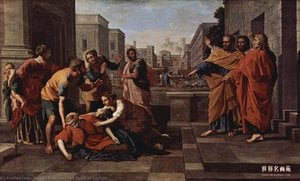
Eliezer Meets Rebecca

This iconic baroque painting by Nicolas Poussin depicts Eliezer presenting gifts to Rebecca at the well, capturing a pivotal biblical narrative. Known for its balanced composition and idealized figures inspired by classical antiquity, it exemplifies Poussin's masterful style and enduring influence on art history.

Objevte mistrovské barokní díla Nikolase Poussina – známé pro klidné krajinky a mytologické příběhy inspirované klasickou antickou kulturou. Najdete ikonické výtvarné dílo na WahooArt.

Koupě vysoce rozlišeného, vylepšeného digitálního obrazu, který je mnohem kvalitnější než online náhled.

Každý soubor je pečlivě připraven našimi odborníky pomocí pokročilých nástrojů a expertní manuální retuše. Zajišťujeme, aby každý obraz disponoval výjimečnou ostrostí, přesnou barevnou věrností a jemnými detaily.

Finální soubor vám bude do 72 hodin zaslán e-mailem, optimalizovaný pro okamžité použití v profesionálním, redakčním i tiskovém prostředí. Nabízíme stejnou kvalitu, které důvěřují špičková designová studia, nakladatelství i galerie.

Digitální obrazy

Stáhněte si soubor ve vysokém rozlišení pro osobní prohlížení, tisk a kreativní projekty. (Přepnout na tisk Přepnout na tiskKoupit ručně malovaný obraz Koupit ručně malovaný obraz)

Celková cena

$ 24,90

Součást každé objednávky digitálního obrazu

Profesionální digitální doručení, zaručeno.

Když si vyberete WahooArt.com, nezískáváte pouze obrázek – získáváte digitální umělecké dílo s profesionálně vylepšenými detaily, zpracované s precizností a podpořené zárukou za spokojenost. Zde je vše, co vaše objednávka automaticky obsahuje:

shipping_icon
Rychlé doručení e-mailem

Váš digitální obraz ve vysokém rozlišení vám bude zaslán e-mailem do 72 hodin od objednávky – připraven k okamžitému použití.

canvas_icon
Digitální soubor s využitím AI

Vaše umělecké dílo je profesionálně optimalizováno pomocí pokročilých nástrojů umělé inteligence a manuální úpravy, což zajišťuje maximální úroveň detailu, ostrosti a přesnosti barev.

insurance_icon
Bezplatné doživotní znovuodeslání

Soubor jste omylem smazali nebo ztratili? Žádný problém – kdykoliv vám ho znovu zašleme zcela zdarma.

tax_icon
Bez poplatků za dovoz – navždy

Užijte si své umělecké dílo okamžitě bez celních poplatků, daní nebo nákladů na dopravu – digitální stažení je vždy bez daňových povinností.

color_icon
Záruka přesnosti barev

Pomocí profesionálních nástrojů a správy barev zajišťujeme, aby váš digitální obraz odrážel původní barvy co nejvěrněji.

return_icon
100dená záruka spokojenosti

Pokud nebudete s digitálním obrázkem spokojeni, provedeme jeho revizi nebo vám vrátíme 100% platby do 100 dnů – bez jakýchkoliv dotazů.

guarantee_icon
100% záruka vrácení peněz

Nespokojeni? Získejte plnou náhradu peněz do 100 dnů od obdržení digitálního souboru – bez zbytečných dotazů.

discount_icon
Slevy při hromadných objednávkách

Koupěte si 3 obrazy, ušetřete 10% - Koupěte si 5, ušetřete 15% - Koupěte si 10+, ušetřete 20%. Ideální pro kreativní projekty, galerie a agentury.

Základní informace

  • Location: Louvre
  • Notable elements or techniques: Classical composition, idealized forms
  • Movement: Baroque
  • Influences: Guido Reni
  • Title: Eliezer Meets Rebecca
  • Medium: Oil on canvas
  • Subject or theme: Biblical narrative

Kvíz o umění

U každé otázky je pouze jedna správná odpověď.

Otázka 1:
What biblical narrative does Nicolas Poussin’s ‘Eliezer Meets Rebecca’ depict?
Otázka 2:
Which artistic style is most prominently associated with Nicolas Poussin's work?
Otázka 3:
The painting showcases a group of people engaged in various activities. What is the primary focus of the image?
Otázka 4:
What prominent artistic influence can be observed in Poussin’s use of composition and idealized forms?
Otázka 5:
The painting utilizes a harmonious color palette. What is the dominant characteristic of this palette?

A Vision of Virtue Amidst Classical Grace

Nicolas Poussin’s “Eliezer Meets Rebecca,” housed in the Louvre Museum, stands as an exemplar of Baroque idealism filtered through the unwavering gaze of classical antiquity—a masterful fusion that continues to captivate audiences centuries later. Painted around 1647-1649 during a period of fervent artistic patronage under Cardinal Mazarin and Louis XIV, this monumental canvas transcends mere depiction; it embodies a profound meditation on faith, obedience, and divine providence.

  • Subject Matter: The painting recounts the biblical narrative of Eliezer’s quest to find Rebecca as Isaac’s bride. It portrays a pivotal moment in Jewish history—the fulfillment of God’s promise to Abraham—rendered with meticulous detail and imbued with spiritual significance.
  • Style & Technique: Poussin adheres to the tenets of Baroque Classicism, prioritizing clarity, order, and harmonious composition over dramatic theatricality. His technique is characterized by painstaking disegno (drawing), employing subtle gradations of tone and color to achieve an unparalleled sense of realism while simultaneously elevating the scene to a realm of idealized beauty. The artist’s masterful use of perspective creates depth and grandeur, drawing viewers into the tranquil courtyard where the encounter unfolds.
  • Historical Context: Poussin's work emerged during a time when humanist ideals—rooted in Greco-Roman philosophy—were reshaping European thought. Artists like Guido Reni had championed similar approaches to portraying biblical narratives, emphasizing moral virtue and spiritual contemplation. The painting reflects the broader cultural preoccupation with religious piety and the desire to express profound truths through aesthetically refined forms.
  • Symbolism: Beyond its narrative content, “Eliezer Meets Rebecca” is replete with symbolic elements. The courtyard itself represents Paradise—a carefully constructed space symbolizing divine grace and serenity. Rebecca’s kneeling posture signifies humility and submission before God, mirroring the virtues valued by Christian theologians of the period. The potted plant symbolizes fertility and renewal, hinting at the promise of future generations.
  • Emotional Impact: The painting evokes a sense of quiet contemplation and spiritual reverence. Poussin's masterful rendering of light and shadow creates an atmosphere of solemn beauty—drawing viewers into a meditative state. The serene expressions on the figures’ faces convey inner peace and faith, inviting reflection on themes of devotion and divine providence.

The painting’s enduring appeal lies in its ability to communicate complex theological ideas through visual eloquence—a testament to Poussin's genius as a painter and his profound understanding of the humanist spirit that shaped seventeenth-century art.


Biografie umělce

Nicolas Poussin – A Life Steeped in Classical Reverie

Nicolas Poussin, a name synonymous with the grandeur of French Baroque painting, was nonetheless a soul deeply rooted in Italian soil for much of his artistic life. Born in Les Andelys, Normandy, in June 1594, his early years remain somewhat veiled in mystery, yet they undoubtedly laid the foundation for a career that would become pivotal in shaping the classical tradition within French art. Though he briefly studied in Paris during the early 1610s, absorbing influences from lesser-known artists of the time, it was his journey to Rome in 1624 that truly ignited his artistic destiny. This wasn’t merely a geographical relocation; it was an immersion into the heart of antiquity, a pilgrimage to the very source of inspiration that would define his aesthetic vision. Poussin's initial forays into painting were marked by a sensuous quality reminiscent of Venetian masters like Titian, yet even in these early works, a nascent sense of order and intellectual rigor began to emerge—a foreshadowing of the style he would so masterfully refine.

Early Influences and Parisian Years

His formative years were spent honing his skills under Quentin Varin, a respected artist who instilled in him an appreciation for draughtsmanship and observation. Shortly thereafter, Poussin ventured into Paris, where he engaged with the artistic currents of the era—particularly those championed by Raphael and Giulio Romano—artists whose harmonious compositions and graceful forms would profoundly shape his subsequent style. The Parisian environment fostered intellectual curiosity and exposed him to humanist scholarship, influencing his worldview and fueling his desire for artistic excellence. During this period, Poussin produced a series of mythological drawings that showcased his burgeoning talent and demonstrated his commitment to capturing the beauty and dignity of classical ideals. These early works established a foundation for his later explorations of history and myth—themes he would revisit throughout his illustrious career.

The Roman Years: Forging a Classical Ideal

Rome proved to be more than just a studio for Poussin; it became his intellectual crucible. He found himself amidst a vibrant circle of scholars, archaeologists, and fellow artists, notably Cassiano dal Pozzo, whose profound understanding of classical antiquity profoundly influenced the artist’s approach. Dal Pozzo's dedication to meticulously documenting ancient remains instilled in Poussin a deep respect for historical accuracy and a desire to imbue his paintings with a sense of timelessness. This period saw Poussin move away from the flamboyant exuberance of some of his contemporaries, instead embracing a style characterized by clarity, balance, and a deliberate emphasis on linear composition. He meticulously studied Raphael’s works, absorbing their harmonious arrangements and graceful forms, while simultaneously drawing inspiration from ancient sculptures and literary sources like Ovid's *Metamorphoses*. His paintings began to populate with figures drawn from classical history and mythology, rendered not as mere decorative elements but as embodiments of moral virtues and philosophical ideals. He became acquainted with Cardinal Francesco Barberini, whose patronage provided him with invaluable support and access to a stimulating intellectual milieu.

Style and Technique: Classical Restraint Amidst Baroque Flourish

Poussin’s artistic style distinguished itself from the prevailing Baroque trends—characterized by dramatic emotion and opulent ornamentation—through its unwavering commitment to classical principles. He rejected excessive theatricality in favor of serene beauty, prioritizing compositional clarity and harmonious color palettes. His technique involved painstaking draughtsmanship, utilizing precise lines and subtle shading to create illusions of depth and perspective that mirrored the achievements of Renaissance masters. The artist’s meticulous attention to detail—evident in his depictions of drapery folds, facial expressions, and landscape vistas—reflected a profound understanding of artistic craftmanship. He skillfully blended influences from Venetian painters like Titian with the stylistic refinements of Raphael, resulting in an oeuvre marked by both sensuous richness and intellectual rigor.

Legacy: Shaping French Art and Beyond

Nicolas Poussin’s influence extended far beyond his own lifetime, establishing a cornerstone of French Classical painting. His unwavering devotion to classical ideals served as inspiration for subsequent generations of artists—Jacques-Louis David and Paul Cézanne among them—who acknowledged their debt to Poussin's stylistic precision and philosophical depth. He championed the pursuit of beauty and order, advocating for artistic training rooted in humanist scholarship and informed by a deep appreciation for antiquity. His enduring legacy resides not merely in his magnificent paintings but also in his contribution to shaping the intellectual landscape of France—a testament to an artist who transcended mere aesthetic achievement to become a symbol of cultural excellence. He remains one of the most revered figures in French art history, celebrated for his mastery of technique and his profound engagement with timeless themes.
Nikolás Poussin

Nikolás Poussin

1594 - 1665 , Francie

Stručné informace

  • Artistic Movement Or Style: Baroko, Klasicismus
  • Artists Or Movements Influenced By This Artist: ['Jacques-Louis David']
  • Artists Who Influenced This Artist:
    • Raphael
    • Titian
  • Date Of Birth: Les Andelys, Francie
  • Date Of Death: Řím, Italie
  • Full Name: Nicolas Poussin
  • Nationality: Francouzský
  • Notable Artworks:
    • Mrtvý Němcův
    • Sedm Sakramentů Série
    • Římanská cesta
  • Place Of Birth: Francie