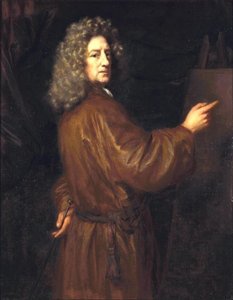
Nicolaes Maes: A Dutch Master of Light and Domestic Life
Nicolaes Maes, a name that resonates with quiet elegance within the realm of Dutch Golden Age painting, was born in Dordrecht in January 1634. His life unfolded against the backdrop of a prosperous merchant city, a place brimming with artistic energy and fueled by burgeoning trade. His father, Gerrit Maes, a successful cloth merchant and soap boiler, provided a stable upbringing, affording young Nicolaes the opportunity to cultivate his nascent talent for painting – a gift that would ultimately define his career. While initial instruction came from a local artist of modest renown, it was his journey to Amsterdam around 1648 and his subsequent apprenticeship under the legendary Rembrandt van Rijn that truly shaped his artistic destiny. This formative period instilled within him an enduring appreciation for the dramatic interplay of light and shadow – *chiaroscuro* – and a masterful command of color, elements that would become hallmarks of his distinctive style. Early works, often mistakenly attributed to Rembrandt due to their scale and luminous hues, served as a testament to this profound influence.
From Rembrandt’s Shadow to Independent Vision
Upon returning to Dordrecht in 1654, Maes embarked on a deliberate path toward establishing his own artistic identity, gradually distancing himself from direct imitation of his former master. This transition marked the beginning of a fascinating evolution within his oeuvre. The subsequent decade witnessed a shift towards smaller-scale domestic genre scenes – intimate portrayals of everyday life that offered a glimpse into the lives of ordinary Dutch citizens. Yet, even in these seemingly simple depictions, Maes retained the vibrant colorism he had absorbed during his time with Rembrandt, infusing each scene with warmth and emotional resonance. A particular fascination emerged with the intricate art of lacemaking, inspiring numerous variations on this theme – delicate tapestries woven with threads of skill, patience, and quiet beauty. These paintings weren’t merely representations of daily tasks; they were imbued with a sense of narrative, capturing not just *what* people did but also *how* they felt while engaged in these commonplace activities. Maes possessed an extraordinary ability to imbue even the most mundane subjects with dignity and grace, elevating them to the level of artful observation.
The Rise of the Portraitist – Amsterdam’s New Star
Around 1673, Nicolaes Maes made a pivotal decision: he relocated to Amsterdam, a move that signaled both artistic ambition and astute adaptation to the evolving landscape of the Dutch art market. The city, still recovering from the ravages of war with England and France, presented a burgeoning demand for portraits – a lucrative field ripe for exploitation. Maes swiftly established himself as one of its leading practitioners, abandoning much of his earlier genre work in favor of capturing the likenesses and personalities of Amsterdam’s prominent citizens. His portraits are characterized by a refined elegance and psychological insight; they reveal not only physical resemblance but also subtle hints of character and social standing. Works such as “Portrait of Gerard Röver, Merchant and Shipowner in Amsterdam” exemplify this skill, presenting a dignified portrayal of wealth and civic pride – a testament to Maes’s ability to capture the essence of his subjects. He became adept at conveying status through carefully chosen details: the quality of fabrics, the cut of clothing, the confident posture of his sitters – all meticulously rendered to create an impression of both power and refinement.
A Shift in Style and a Lasting Legacy
As Maes matured as an artist, his style underwent a subtle but significant transformation. While retaining his meticulous attention to detail and vibrant color palette, he began to favor a cooler, more subdued aesthetic – utilizing grays and blacks for shadows rather than the warmer browns of his earlier works. This shift reflected not only changes in artistic trends but also a growing awareness of the evolving demands of the market. Despite this stylistic evolution, Maes’s core strengths remained intact: his ability to capture the nuances of human emotion, his mastery of light and shadow, and his profound understanding of composition. Nicolaes Maes passed away in Amsterdam in December 1693, leaving behind a substantial body of work that continues to captivate audiences today. His paintings offer invaluable insights into the social customs, domestic interiors, and psychological complexities of the Dutch Golden Age – a testament to his artistic vision and enduring legacy.
Key Characteristics of His Work
- Rembrandtian Influence: Early works demonstrate a strong influence from Rembrandt van Rijn, particularly in the use of *chiaroscuro* and rich color palettes.
- Genre Scenes: Maes is renowned for his intimate depictions of everyday life, focusing on domestic interiors and activities like spinning, reading, and lacemaking.
- Portraiture Mastery: He became a leading portrait painter in Amsterdam, known for capturing the likeness and character of his sitters with precision and elegance.
- Detailed Observation: His paintings are characterized by meticulous attention to detail, particularly in rendering textures, fabrics, and facial expressions.
- Psychological Insight: Maes possessed a remarkable ability to convey the inner lives and emotions of his subjects through subtle gestures and expressions.



 Zobrazit v interiéru
 Přepnout na tiskové verze
 Odeslat
 Sdílet
 Podrobnosti
 Průvodce

 Stáhnout obrázek
 Podobné kousky
 Rentgenové snímky
 Slideshow
 Statistiky


 Přečíst si více