NáhledNáhled Náhled v ARNáhled v AR Přepnout na tisk Přepnout na tiskPřepnout na digitální obraz Přepnout na digitální obraz SdíletSdílet
Podrobnosti o dílePodrobnosti o díle Přidat do oblíbených Přidat do oblíbených StáhnoutStáhnout Podobné položkyPodobné položky Rentgenové snímkyRentgenové snímky SlideshowSlideshow StatistikyStatistiky

Apostle Thomas

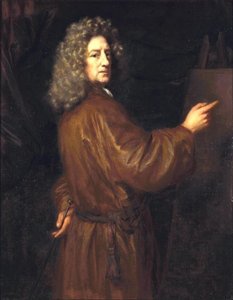
Nicolaes Maes’s "Apostle Thomas" is a captivating Baroque painting showcasing the apostle in a moment of quiet contemplation with dramatic chiaroscuro lighting and rich detail, reflecting Rembrandt's influence. Discover this stunning 1656 masterpiece and bring art history home.

Nicolaes Maes byl nizozemský malíř zlatého věku známý žánrovými scénami a portréty ovlivněnými Rembrandtovým stylem. Jeho díla zachycují život každodenního života v domácnosti a vykazují mimořádnou pozornost k detailům, což z něj činí významného umělce své doby.

Ručně malovaná olejová reprodukce

Ručně malovaná olejná barva na plátně ve vašem zvoleném rozměru i s rámem, vyrobená našimi umělci na zakázku. (Přepnout na tisk Přepnout na tiskPřepnout na digitální obraz Přepnout na digitální obraz)

P118B $10
P118H $10
P118W $10
P438Z $10
P508JH $12
P508YH $12
P805H $10
P805Z $10
P919BZ $10
P919G $10
P919XJ $10
P959ZH $10
P968JZ $12
W106C $8
W218G $10
W218JH $8
W218Y $10
W307PJ $10
W316G $10
W316PJ $8
W316Y $10
W398PJ $8
W4111J $10
W500HY $15
W500JH $15
W692G $12
W849H $8
W940BG $15
W953PJ $8

Standardní velikost
na míru
CM
INCH

Vyberte si z našich přednastavených velikostí, které odpovídají původním proporcím díla.

šířka
výška

Můžete zadat vlastní rozměry pro konkrétní rám nebo prostor. Pokud se vámi vybraná velikost neshoduje s proporcemi původního obrazu, dílo buď ořízneme, nebo jej doplníme ručně malovanými prvky. Před zahájením výroby vám bude zaslán digitální náhled ke schválení.
Upozorňujeme, že náhled na obrazovce neodpovídá skutečnému ořezu ani rozšíření. Pouze digitální náhled přesně zobrazí finální kompozici.
Ačkoliv je možné zvolit vlastní velikost, pro zachování původních proporcí doporučujeme vybrat rozměr z předdefinovaného seznamu.

Příklady možných změn: Nahrazení obličeje vlastní fotografií; Přidání domácího mazlíčka (např. nahrazení kočky psem); Vložení skrytého vzkazu do pozadí; Změna krajiny nebo prvků v pozadí.
Po přijetí objednávky vám tým WahooArt.com zašle e-mail s pokyny a poskytne náhledovou verzi.

Celosvětová doprava () za 3–4 týdny namísto standardních 5 týdnů. (9 září). Bez kompromisů v kvalitě.

why_choose_icon
Zdarma celosvětová expresní doprava
why_choose_icon
Vysoce kvalitní lněné plátno
why_choose_icon
Kompletní přepravní pojištění
why_choose_icon
Záruka vrácení celního poplatku
why_choose_icon
Záruka přesného barevného shodu
why_choose_icon
100dená lhůta pro vrácení zboží (pouze při vadách)
why_choose_icon
100% garance vrácení peněz
why_choose_icon
Sleva při hromadné objednávce

Celková cena

$ 272

reproduction

Apostle Thomas

Technika reprodukce

Rozměry reprodukce

-

Celková cena za výběr

$ 272

Základní informace

  • Movement: Baroque
  • Influences: Rembrandt van Rijn
  • Medium: Oil on panel
  • Artist: Nicolaes Maes
  • Subject or theme: Religious portrait
  • Artistic style: Dutch Golden Age
  • Title: Apostle Thomas

A Study in Contemplation: Nicolaes Maes’s Apostle Thomas

  • The Weight of Faith: Nicolaes Maes’s “Apostle Thomas” is more than a mere portrait; it's a carefully constructed meditation on faith, knowledge, and the quiet moments of introspection. Executed in 1656 during his formative years, this Baroque masterpiece reveals the burgeoning talent of a young artist deeply influenced by the master himself, Rembrandt van Rijn. The painting’s power resides not just in its subject – the Apostle Thomas, traditionally depicted as the doubter who demanded to feel Jesus' wounds – but in Maes’s ability to translate that theological tension into a palpable visual experience.
  • Baroque Drama and Dutch Light: Born in Dordrecht in 1634, Nicolaes Maes inherited the hallmarks of the Dutch Golden Age: a profound understanding of light and shadow – *chiaroscuro* – and an unwavering commitment to realism. This particular work exemplifies this approach brilliantly. The dark, almost impenetrable background serves as a dramatic stage for Thomas’s figure, intensifying the impact of the carefully rendered details. Maes skillfully manipulates light to illuminate Thomas' face and hands, drawing the viewer’s eye to his contemplative expression and the objects he holds – a book and quill pen – symbols of learning and devotion.

Technical Mastery: A Rembrandt-Inspired Approach

  • Detailed Rendering and Texture: Maes's meticulous attention to detail is immediately apparent. The fur lining of Thomas’s robe isn’t simply painted; it’s sculpted with a remarkable understanding of texture, conveying warmth and luxury. Similarly, the folds of the fabric, the quill pen, and the book itself are rendered with painstaking accuracy, demonstrating Maes's dedication to capturing the nuances of form and material. This level of detail was characteristic of artists working under Rembrandt’s influence, who prioritized a realistic portrayal over idealized beauty.
  • Color Palette and Composition: The color palette is rich and warm, dominated by browns, reds, and golds – colors associated with wealth, piety, and the divine. The composition itself is carefully balanced, with Thomas positioned centrally within the frame, creating a sense of stability and authority. The use of negative space further enhances the painting’s impact, allowing the viewer's eye to rest and contemplate the scene.

Historical Context: Faith and Portraiture in the Dutch Golden Age

  • The Rise of Religious Portraiture: The mid-17th century was a period of significant religious upheaval in Europe, and this is reflected in the subject matter of many Dutch portraits. Portraits were not merely representations of individuals; they were often statements of faith and social status. Thomas, as one of the apostles who doubted Jesus, offered an opportunity to explore themes of doubt, repentance, and ultimately, redemption – a potent message for a society grappling with religious questions.
  • Rembrandt’s Influence: Maes's apprenticeship under Rembrandt was crucial to his development. The influence of Rembrandt’s dramatic use of light and shadow, his psychological insight into his subjects, and his masterful handling of color are all evident in “Apostle Thomas.” This painting stands as a testament to the enduring legacy of one of history’s greatest artists.

Provenance and Significance

  • A Staatliche Museen Masterpiece: Currently housed at the Staatliche Museen in Kassel, Germany, “Apostle Thomas” represents a significant addition to the collection of Baroque masterpieces. Its presence within a public institution underscores its artistic merit and accessibility to art lovers worldwide.
  • Collecting the Spirit of the Golden Age: This reproduction offers an unparalleled opportunity to own a piece of Dutch history, capturing not only the visual beauty of Maes’s work but also the intellectual and spiritual context in which it was created. It's a window into a pivotal era of artistic innovation and religious exploration – a timeless testament to the power of human contemplation.

Biografie umělce

Nicolaes Maes: A Dutch Master of Light and Domestic Life

Nicolaes Maes, a name that resonates with quiet elegance within the realm of Dutch Golden Age painting, was born in Dordrecht in January 1634. His life unfolded against the backdrop of a prosperous merchant city, a place brimming with artistic energy and fueled by burgeoning trade. His father, Gerrit Maes, a successful cloth merchant and soap boiler, provided a stable upbringing, affording young Nicolaes the opportunity to cultivate his nascent talent for painting – a gift that would ultimately define his career. While initial instruction came from a local artist of modest renown, it was his journey to Amsterdam around 1648 and his subsequent apprenticeship under the legendary Rembrandt van Rijn that truly shaped his artistic destiny. This formative period instilled within him an enduring appreciation for the dramatic interplay of light and shadow – *chiaroscuro* – and a masterful command of color, elements that would become hallmarks of his distinctive style. Early works, often mistakenly attributed to Rembrandt due to their scale and luminous hues, served as a testament to this profound influence.

From Rembrandt’s Shadow to Independent Vision

Upon returning to Dordrecht in 1654, Maes embarked on a deliberate path toward establishing his own artistic identity, gradually distancing himself from direct imitation of his former master. This transition marked the beginning of a fascinating evolution within his oeuvre. The subsequent decade witnessed a shift towards smaller-scale domestic genre scenes – intimate portrayals of everyday life that offered a glimpse into the lives of ordinary Dutch citizens. Yet, even in these seemingly simple depictions, Maes retained the vibrant colorism he had absorbed during his time with Rembrandt, infusing each scene with warmth and emotional resonance. A particular fascination emerged with the intricate art of lacemaking, inspiring numerous variations on this theme – delicate tapestries woven with threads of skill, patience, and quiet beauty. These paintings weren’t merely representations of daily tasks; they were imbued with a sense of narrative, capturing not just *what* people did but also *how* they felt while engaged in these commonplace activities. Maes possessed an extraordinary ability to imbue even the most mundane subjects with dignity and grace, elevating them to the level of artful observation.

The Rise of the Portraitist – Amsterdam’s New Star

Around 1673, Nicolaes Maes made a pivotal decision: he relocated to Amsterdam, a move that signaled both artistic ambition and astute adaptation to the evolving landscape of the Dutch art market. The city, still recovering from the ravages of war with England and France, presented a burgeoning demand for portraits – a lucrative field ripe for exploitation. Maes swiftly established himself as one of its leading practitioners, abandoning much of his earlier genre work in favor of capturing the likenesses and personalities of Amsterdam’s prominent citizens. His portraits are characterized by a refined elegance and psychological insight; they reveal not only physical resemblance but also subtle hints of character and social standing. Works such as “Portrait of Gerard Röver, Merchant and Shipowner in Amsterdam” exemplify this skill, presenting a dignified portrayal of wealth and civic pride – a testament to Maes’s ability to capture the essence of his subjects. He became adept at conveying status through carefully chosen details: the quality of fabrics, the cut of clothing, the confident posture of his sitters – all meticulously rendered to create an impression of both power and refinement.

A Shift in Style and a Lasting Legacy

As Maes matured as an artist, his style underwent a subtle but significant transformation. While retaining his meticulous attention to detail and vibrant color palette, he began to favor a cooler, more subdued aesthetic – utilizing grays and blacks for shadows rather than the warmer browns of his earlier works. This shift reflected not only changes in artistic trends but also a growing awareness of the evolving demands of the market. Despite this stylistic evolution, Maes’s core strengths remained intact: his ability to capture the nuances of human emotion, his mastery of light and shadow, and his profound understanding of composition. Nicolaes Maes passed away in Amsterdam in December 1693, leaving behind a substantial body of work that continues to captivate audiences today. His paintings offer invaluable insights into the social customs, domestic interiors, and psychological complexities of the Dutch Golden Age – a testament to his artistic vision and enduring legacy.

Key Characteristics of His Work

  • Rembrandtian Influence: Early works demonstrate a strong influence from Rembrandt van Rijn, particularly in the use of *chiaroscuro* and rich color palettes.
  • Genre Scenes: Maes is renowned for his intimate depictions of everyday life, focusing on domestic interiors and activities like spinning, reading, and lacemaking.
  • Portraiture Mastery: He became a leading portrait painter in Amsterdam, known for capturing the likeness and character of his sitters with precision and elegance.
  • Detailed Observation: His paintings are characterized by meticulous attention to detail, particularly in rendering textures, fabrics, and facial expressions.
  • Psychological Insight: Maes possessed a remarkable ability to convey the inner lives and emotions of his subjects through subtle gestures and expressions.

Nicolaes Maes

Nicolaes Maes

1634 - 1693 , Nizozemsko

Rychlé fakta

  • Artistic Movement Or Style: Baroko
  • Artists Or Movements Influenced By This Artist: ['Houbraken']
  • Artists Who Influenced This Artist: ['Rembrandt van Rijn']
  • Date Of Birth: Dordrecht, Nizozemsko (1634)
  • Date Of Death: Prosinec 1693
  • Full Name: Nicolaes Maes
  • Nationality: Nizozemský
  • Notable Artworks:
    • Kristus požehnává děti
    • Žena přenáší dítě
    • Zmrtvělí muž
  • Place Of Birth: Dordrecht
Prozkoumejte umělecká díla uspořádaná podle témat, stylů a charakteristik.