
Prodávejte


x
-
Koupit
Malby na míru Personalizované umělecké tisky Proměňte svou fotografii v umělecké mistrovské dílo Prohlížet podle tématu Prohlížet podle místnosti Asistent dekorování: Obývací pokoj Asistent dekorování: Kanceláře Prohlížet podle příležitosti Nakupujte skladované obrazyNakupte naše originály Prozkoumejte partnerské ateliéry Získejte bezplatná doporučení k umění Průvodce sběratele: Jak si vybrat své první mistrovské dílo Průvodce dekorováním pomocí reprodukcí Možnosti dárkového balení Průvodce dárkovým uměním pro korporátní sféru Můj košík Můj profil, Oblíbené, Objednávky
-
Umělci
Všichni umělci Nejvýznamnější 100 umělců Podle uměleckých období Podle abecedy Všechny techniky Všechna umělecká média Podle země narození Podle historického období Podle emocí Podle emocionálního vyznění Podle etap rozvoje kariéryBy Artwork Colors Podle roku narození Podle intenzity barev Podle tematických celků Slavní umělci, kteří změnili svět Vzestup ženských umělkyně Mistři renesance Objednejte si umělecká díla ještě dnes Jak spolupracujeme se soukromými sběrateli Průvodce tvorbou uměleckého portfolia pro korporátní klientelu
- Umělecká díla
- Techniky a styly
- Muzea
-
Články
Všechny články Nejoblíbenějších 100 článků Podle klíčových slov Podle kategorií Podle tónu psaní Časová osa dějin umění Prvky sběratelství umění Pochopení art movementů Mistrovská díla historieBarva a emoce v umění Jak prezentovat umění v domácím interiéru Umění a emoce: Dekorování podle nálady a atmosféry Průvodce dekorováním podle typu místnosti Sezónní kurátorské kolekce Umění jako investice Korporátní umění: Obdarujte svou kancelář kreativní inspirací Dárky ke svatbě a výročí Příběhy a reference zákazníků
-
Služby
Z fotografie na obraz Z fotografie na umělecký tisk Vaše fotografie v podobě uměleckého díla Umělecký servisní poradce Chcete-li požádat o cenovou nabídku Exkluzivní VIP zakázky na umění Zhodnocení umění Prodávejte jako galerie Bezplatná kurátorská výběrka Získejte bezplatné doporučení umění Od fotografie k obrazu: cesta za vlastním portrétem Postup malování

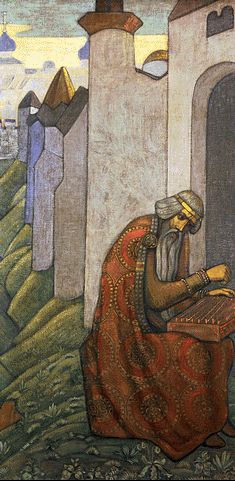
 Náhled
 Koupit ručně malovaný obraz
 Sdílet
 Sdílet
 Podrobnosti o díle

 Stáhnout
 Podobné položky
 Rentgenové snímky
 Slideshow


 Zobrazit více






































 Skleněná varianta je dostupná pouze u rozměrů menších než 110 cm





