BEZPLATNÉ UMĚLECKÉ PORADENSTVÍ

x
Koupit tisk Koupit tiskKoupit digitální obrázek Koupit digitální obrázek SdíletSdílet

DetailsDetails Přidat do oblíbených Přidat do oblíbených StáhnoutStáhnout Podobné položkyPodobné položky X-RayX-Ray SlideshowSlideshow

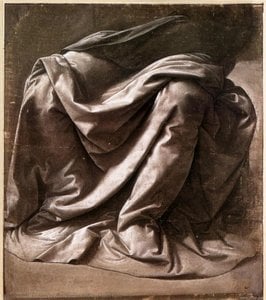
Interior Study

Nicholas Matthew Condy (1816-1851) was a British maritime painter known for detailed ship portraits & Devon coastal scenes. A successful artist, his work is highly sought after today and featured in the National Maritime Museum.

Ručně malovaná olejová reprodukce

Ručně malovaná olejná barva na plátně ve vašem zvoleném rozměru i s rámem, vyrobená našimi umělci na zakázku.

Standard
custom
CM
INCH

Vyberte si z našich přednastavených velikostí, které odpovídají původním proporcím díla.

šířka
výška

Můžete zadat vlastní rozměry pro konkrétní rám nebo prostor. Pokud se vámi vybraná velikost neshoduje s proporcemi původního obrazu, dílo buď ořízneme, nebo jej doplníme ručně malovanými prvky. Před zahájením výroby vám bude zaslán digitální náhled ke schválení.
Upozorňujeme, že náhled na obrazovce neodpovídá skutečnému ořezu ani rozšíření. Pouze digitální náhled přesně zobrazí finální kompozici.
Ačkoliv je možné zvolit vlastní velikost, pro zachování původních proporcí doporučujeme vybrat rozměr z předdefinovaného seznamu.

Příklady možných změn: Nahrazení obličeje vlastní fotografií; Přidání domácího mazlíčka (např. nahrazení kočky psem); Vložení skrytého vzkazu do pozadí; Změna krajiny nebo prvků v pozadí.
Po přijetí objednávky vám tým WahooArt.com zašle e-mail s pokyny a poskytne náhledovou verzi.

Celosvětová doprava () za 3–4 týdny namísto standardních 5 týdnů. (2 červenec). Bez kompromisů v kvalitě.

why_choose_icon
Zdarma celosvětová expresní doprava
why_choose_icon
Vysoce kvalitní lněné plátno
why_choose_icon
Kompletní přepravní pojištění
why_choose_icon
Záruka vrácení celního poplatku
why_choose_icon
Záruka přesného barevného shodu
why_choose_icon
60denní lhůta pro vrácení zboží (pouze při vadách výroby)
why_choose_icon
100% garance vrácení peněz
why_choose_icon
Sleva při hromadné objednávce

Celková cena

-

reproduction

Interior Study

Technika reprodukce

Rozměry reprodukce

-

Celková cena za výběr

-


Biografie umělce

John Frederick Kensett: The Luminist Vision

Born in Cheshire, Connecticut, in 1816, John Frederick Kensett’s artistic journey was one of persistent refinement and a profound shift towards capturing the ephemeral beauty of American landscapes. Initially apprenticed to his father's engraving firm, he briefly explored that craft before recognizing his true calling: painting. This decision marked a deliberate departure from the prevailing techniques of the time, leading him on an extensive European sojourn – first to England, then Paris, and finally Italy – each experience profoundly shaping his artistic sensibilities.

Kensett’s early years were characterized by a meticulous attention to detail, mirroring his background in engraving. However, he quickly grew dissatisfied with the constraints of line work and sought a more expressive approach. His time in England introduced him to the burgeoning Luminist movement, spearheaded by artists like Asher B. Durand and Thomas Cole, who championed a style emphasizing atmospheric effects, diffused light, and a sense of quiet contemplation. This influence is particularly evident in his early works depicting scenes near Windsor Castle, showcasing a delicate balance between observation and artistic interpretation.

Paris proved to be a crucible for Kensett’s development. Surrounded by a vibrant American artist community – including Thomas Cole, Benjamin Champney, and Francis W. Edmonds – he immersed himself in the study of antique sculpture and drawing from life at the École Préparation des Beaux-Arts. The Parisian atmosphere fostered a desire to move beyond mere representation, encouraging him to explore the nuances of light and color with unprecedented subtlety. His time there wasn’t just about artistic training; it was a period of intense social engagement, facilitated by his association with George W. Curtis and his brothers, who introduced him to New York's literary circles.

Kensett’s subsequent sojourn in Italy represents the culmination of his artistic transformation. He spent nearly two years touring the Italian countryside, meticulously sketching towns around Rome, Naples, Florence, and Venice. This period witnessed a decisive shift towards Luminism, characterized by an almost ethereal quality – a masterful manipulation of light and shadow to evoke mood and atmosphere. He wasn’t simply painting landscapes; he was capturing the *feeling* of being in them, drawing inspiration from the classical ruins and the vibrant life of the Italian cities.

The Luminist Style: Light, Atmosphere, and American Identity

Kensett is widely considered the foremost practitioner of Luminism, a distinct style within the broader Hudson River School movement. Unlike the more dramatic compositions favored by some of his contemporaries, Kensett’s paintings are defined by their soft focus, subtle color palettes, and emphasis on atmospheric effects. He achieved this through a technique of layering thin washes of paint – a direct inheritance from his engraving background – to create an illusion of depth and luminosity. His brushwork was deliberately loose and suggestive, prioritizing the impression of light over precise detail.

The Luminist style wasn’t merely about aesthetics; it also reflected a burgeoning sense of American identity. Kensett's paintings often depicted scenes of rural America – farms, forests, and waterways – imbued with a quiet dignity and an appreciation for the natural world. These works resonated with a growing national consciousness, capturing the beauty of the American landscape and subtly suggesting its inherent value.

Key Works and Influences

Kensett’s oeuvre is remarkably diverse, encompassing landscapes, portraits, and genre scenes. However, his most celebrated works – such as *The Old Mill* (1847), *Twilight in the Adirondacks* (1850), and *Saukeet’s Farm* (1853) – exemplify his Luminist style with remarkable clarity. These paintings demonstrate his ability to capture not just the visual appearance of a scene, but also its emotional resonance.

Beyond his European experiences, Kensett was profoundly influenced by the works of artists like Thomas Cole and Asher B. Durand, both key figures in the Hudson River School. He also drew inspiration from the classical tradition, particularly the work of Venetian masters such as Titian and Turner. The influence of these diverse sources is evident in his meticulous observation, his masterful use of light and color, and his ability to evoke a sense of profound beauty.

Legacy and Historical Significance

John Frederick Kensett’s contribution to American landscape painting is undeniable. He elevated Luminism to an art form, establishing it as a distinct and influential style. His paintings continue to be admired for their exquisite beauty, their atmospheric effects, and their subtle evocation of the American spirit.

Kensett's work helped shape the visual language of American landscape painting, influencing generations of artists who followed. He demonstrated that capturing the essence of a place—its light, its mood, its feeling—was as important as simply depicting it accurately. His legacy endures not only in his paintings but also in his role as a pioneer of Luminism and a champion of the American landscape.

Rychlé fakta

  • Artistic Movement Or Style: Luminism
  • Artists Or Movements Influenced By This Artist:
    • Hudson River School
    • Luminism
  • Artists Who Influenced This Artist:
    • Asher B. Durand
    • Thomas Cole
    • Benjamin Champney
  • Date Of Birth: 1816
  • Date Of Death: 1872
  • Full Name: John Frederick Kensett
  • Nationality: American
  • Notable Artworks:
    • The First Snowfall
    • Twilight in the Adirondacks
    • Nahant Marsh
  • Place Of Birth: Cheshire, Connecticut