


 InkWallArtMaruyama School
 1794Early Modern
 98.0 x 41.0 cm
Ručně malovaná olejná barva na plátně ve vašem zvoleném rozměru i s rámem, vyrobená našimi umělci na zakázku. ( Koupit tisk Koupit obrázek)





























Vyberte si z našich přednastavených velikostí, které odpovídají původním proporcím díla.

Můžete zadat vlastní rozměry pro konkrétní rám nebo prostor. Pokud se vámi vybraná velikost neshoduje s proporcemi původního obrazu, dílo buď ořízneme, nebo jej doplníme ručně malovanými prvky. Před zahájením výroby vám bude zaslán digitální náhled ke schválení.
Upozorňujeme, že náhled na obrazovce neodpovídá skutečnému ořezu ani rozšíření. Pouze digitální náhled přesně zobrazí finální kompozici.
Ačkoliv je možné zvolit vlastní velikost, pro zachování původních proporcí doporučujeme vybrat rozměr z předdefinovaného seznamu.
Celosvětová doprava () za 3–4 týdny namísto standardních 5 týdnů. (7 září). Bez kompromisů v kvalitě.


Moonlit Landscape
Rozměry reprodukce
In the quietude of the late Edo period, Nagasawa Rosetsu captured a moment where the boundary between the earthly and the celestial dissolves. His Moonlit Landscape is not merely a depiction of nature, but an atmospheric meditation on light and shadow. The scene unfolds upon silk, where a deep, nocturnal blue serves as the canvas for a world illuminated by the ethereal glow of a full moon. As the eye wanders through the composition, one encounters a solitary figure standing before the silhouette of a tree—perhaps a cherry blossom, its delicate form suggested by the interplay of light and dark. This figure, lost in contemplation of the heavens, invites the viewer to share in a moment of profound stillness, while scattered birds drift through the night air, adding a sense of living breath to the silent landscape.
The mastery of Rosetsu lies in his ability to manipulate the tsuketatefude technique, utilizing a wide, flexible brush to create soft, bleeding washes that define the contours of mountains without the need for harsh outlines. This method allows the mist and clouds to appear as if they are physically moving across the sky, evoking the legendary imagery of dragons winding through the heavens. The bold, dark silhouettes of pine trees provide a structural anchor to the composition, creating a striking visual tension against the luminous, pale moon. Through these layered applications of ink, Rosetsu achieves a sense of depth and moisture, making the atmosphere feel heavy with the scent of night dew and the mystery of the unknown.
To understand this masterpiece, one must look to the artist’s place within the Maruyama School. Rosetsu was a pioneer who dared to blend the disciplined traditions of Japanese ink painting with a burgeoning interest in realism and expressive spontaneity. This particular work, dating from 1794, represents a period of intense creative exploration for the artist, as he traveled through regions like Hiroshima and Itsukushima. His fascination with moonlit themes was a lifelong pursuit, evolving from structured compositions to the more abstract, evocative forms seen here. The way he utilizes the "reserve" technique—leaving parts of the silk untouched to represent light—demonstrates a sophisticated understanding of negative space, a hallmark of East Asian aesthetic philosophy.
For the discerning collector or interior designer, this reproduction offers more than just visual beauty; it provides an emotional anchor for a room. The painting’s ability to evoke both serenity and a slight, haunting eeriness makes it a versatile centerpiece for spaces dedicated to reflection and calm. Whether placed in a contemporary setting to provide a touch of historical soul or integrated into a traditional study, the Moonlit Landscape serves as a window into a vanished era. It is an invitation to pause, to breathe, and to find beauty in the shadows, making it an enduring choice for those who appreciate art that speaks to the depths of the human spirit.


1754 - 1799 , Japonsko
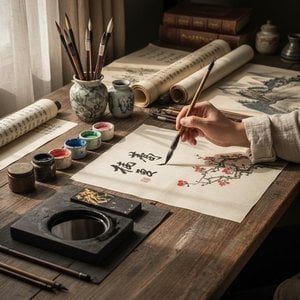
Embark on a sophisticated exploration of ink wash painting and Sumi-e. Uncover the profound historical lineages, Zen philosophies, and technical mastery behind this timeless medium in our authoritative guide for fine art enthusiasts.

Embark on a visual journey through history's most iconic landscapes. Discover the mastery of Impressionism and the sublime power of nature through our expert guide to classical landscape art, curated for the discerning collector and fine art enthusiast.

 Náhled
 Sdílet
 Sdílet
 Podrobnosti o díle

 Stáhnout
 Podobné položky
 Rentgenové snímky
 Slideshow
 Zobrazit více







 Skleněná varianta je dostupná pouze u rozměrů menších než 110 cm


